Kyrsten Sinema has become a vocal advocate for ibogaine after a 15-hour treatment in Mexico. Now an adviser at Hogan Lovells, she is pressing for state-funded clinical trials and eventual FDA approval, arguing the current administration offers an opening. While Texas and Arizona have approved research funding, medical experts warn of cardiac risks and limited large-scale evidence. Sinema emphasizes bipartisan support, noting conservative and veteran backers alongside progressive advocates.
Kyrsten Sinema Champions Ibogaine After 15-Hour Psychedelic Session, Courts MAHA Allies

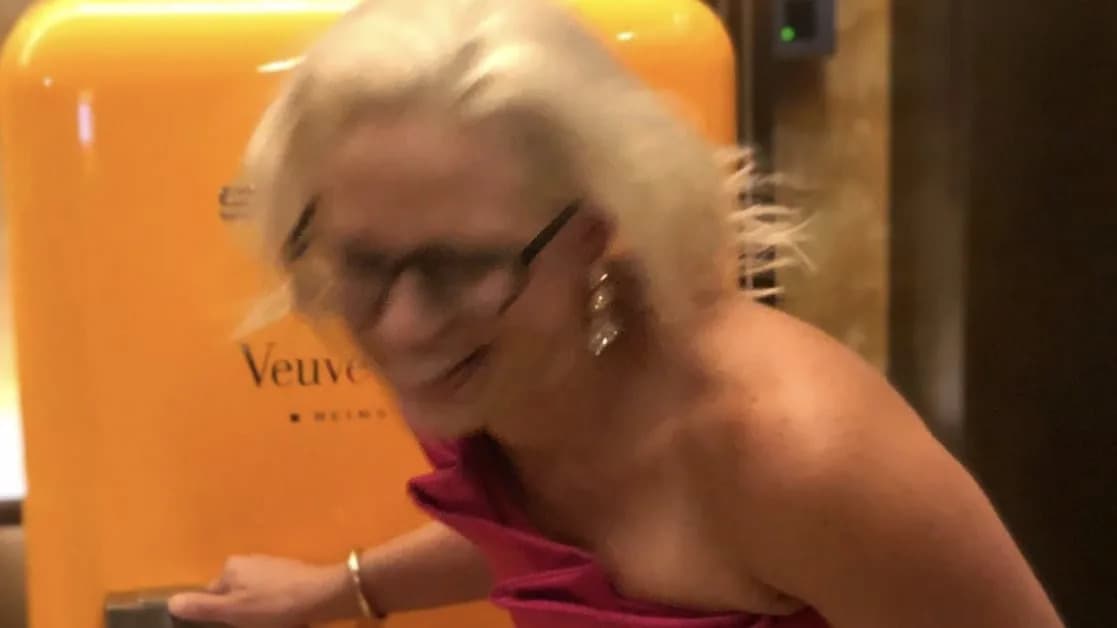
Kyrsten Sinema, the former Arizona senator who left the Democratic Party and opted not to seek reelection, has emerged as a prominent advocate for ibogaine — a psychedelic compound derived from an African shrub — after undergoing a 15-hour treatment in Mexico this spring. Now a senior adviser at the law and lobbying firm Hogan Lovells, Sinema says she is promoting ibogaine pro bono and pushing for state-funded clinical trials that could lead to eventual FDA approval.
Policy push and political strategy
Sinema and allied advocates want coordinated state efforts to bankroll and run controlled studies of ibogaine as a treatment for mental health conditions, including post-traumatic stress disorder and depression. She argues the current administration represents a unique political opening, pointing to support from figures such as Health Secretary Robert F. Kennedy Jr. and Veterans Affairs Secretary Doug Collins.
Recent state-level developments have bolstered advocates' momentum: Texas approved $50 million in state funding for ibogaine research, and Arizona included $5 million for related studies in its budget after Sinema's lobbying efforts. Sinema says the broad coalition at recent conferences — ranging from conservative veterans to progressive advocates — demonstrates cross-ideological interest in psychedelic medicine.
Medical concerns and regulatory hurdles
Medical experts and some clinicians urge caution. Ibogaine has known cardiac risks, and large-scale, rigorous clinical research remains limited. The Drug Enforcement Administration currently classifies ibogaine as a scheduled substance, citing no accepted medical use and potential for abuse. Sinema and other proponents acknowledge these concerns but argue that carefully designed trials are necessary to measure safety and efficacy.
Sinema: 'We are in this magical, unique time,' she said, referring to the administration's health leadership and the opportunity to act quickly.
Bridging political divides
Sinema emphasizes pragmatism over partisan labels. She described conversations with both conservative and progressive lawmakers, saying success in Arizona was driven by personal relationships and testimony from conservative veterans. She also acknowledged resistance from some on the left, attributing some pushback to personal disagreements rather than purely scientific objections.
Sinema noted a cultural shift: many conservatives who once opposed psychedelics view psychedelic medicine differently when they see clinical potential for treating disorders where existing approaches have failed.
Personal experience
Asked about her own treatment, Sinema described a difficult, transformative session. 'It's not a fun medicine. My experience was 15 hours long,' she said, recalling a persistent mechanical noise in her head during the treatment. She described feeling reluctant to repeat the experience but open to doing so if it helps preserve cognitive health — a concern motivated in part by observing her grandmother's struggle with dementia. Today, she says her thinking feels 'crystal-clear' and 'snappy.'
What’s next
Supporters hope state-funded trials will generate the safety and efficacy data needed to persuade federal regulators to reevaluate ibogaine's legal status. Critics say more rigorous, independent research is required before expanding clinical access. Sinema's campaign blends advocacy, fundraising for research, and political outreach to unite an unusual coalition behind a contested substance.
Interview material was edited for length and clarity.
Help us improve.