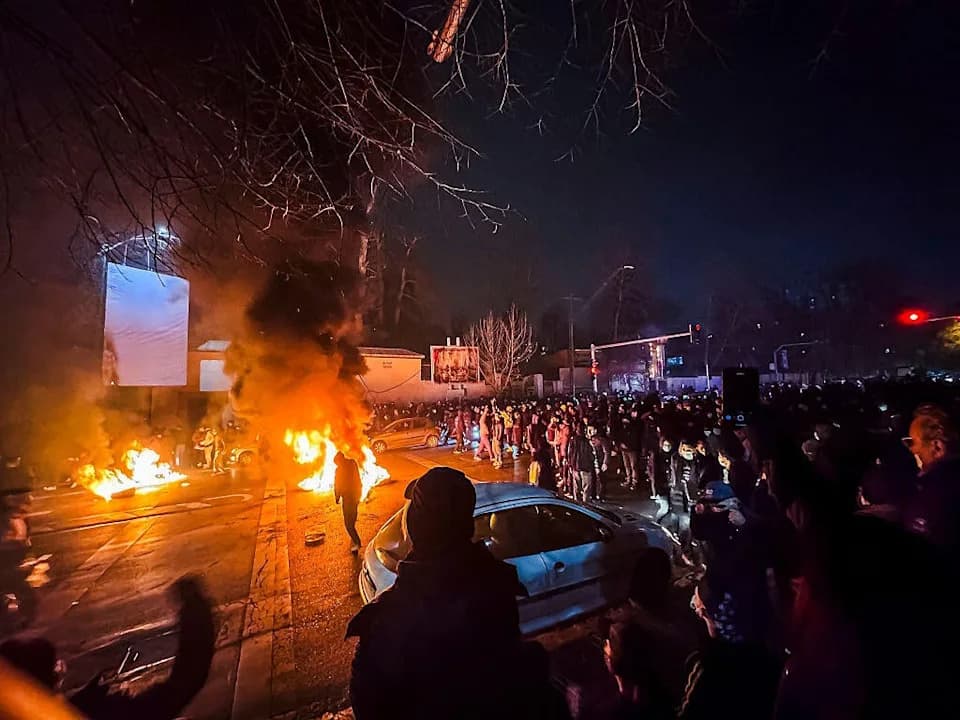
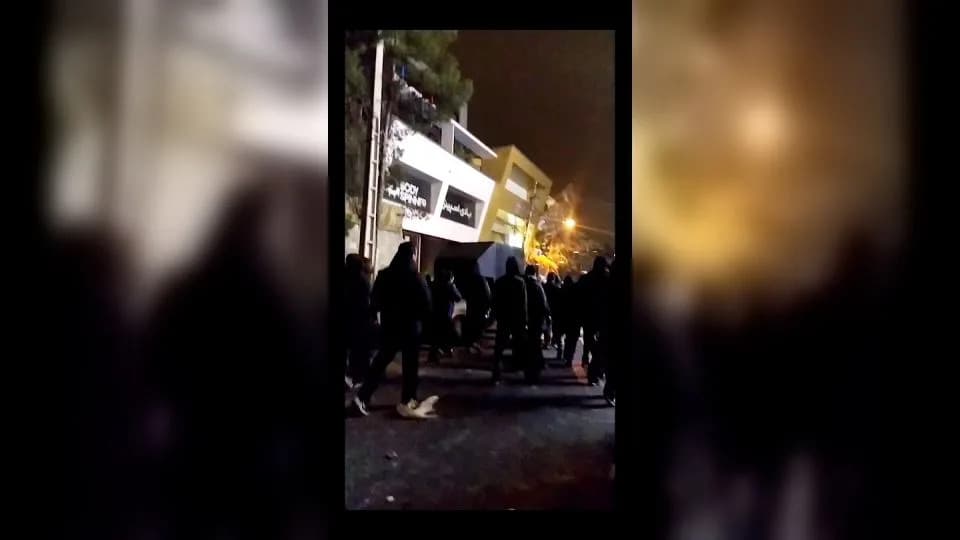
Thousands of Tunisians — an estimated 2,000 people — marched in Tunis under the slogan “against injustice” to protest President Kais Saied’s consolidation of power and the jailing of critics. The demonstration united activists, NGOs and fragmented parties after the sentencing of a judge who had criticised judicial politicisation. Rights groups report dozens of arbitrary arrests since late 2022 and restrictions on multiple NGOs, while Saied denies accusations that he is silencing opponents.
“Enough Repression”: Thousands Rally in Tunis to Protest President Kais Saied’s Crackdown

Thousands of Tunisians marched through the capital on Saturday to denounce what they describe as President Kais Saied’s growing authoritarianism and the imprisonment of government critics. Organisers estimated at least 2,000 people took part, many dressed in black and carrying whistles and red ribbons. Chants included “the people want the fall of the regime” and “no fear no terror, the street belongs to the people,” while placards read “Enough repression” and “Not my president.”
Broad coalition rallies under “against injustice”
The rally, held under the banner “against injustice,” brought together activists, non-governmental organisations and a range of fragmented political parties in a rare show of cross-ideological unity. Tunisian journalist Said Zouari said the demonstrations reflect an emerging cohesion among groups from different political backgrounds, but he added that the movement has so far failed to gain traction inside the presidential residence at Carthage.
Crackdown on critics and the judiciary
The march followed a court decision that sentenced former administrative judge Ahmed Souab to five years in prison; Souab had been an outspoken critic of the politicisation of the judiciary. Rights groups report that dozens of opposition figures, journalists, lawyers and businesspeople have been detained and accused of “conspiring against state security,” while critics say the judiciary and police are being used to silence political opponents.
“All the progress of the past 14 years has been overturned,” said Ayoub Amara, one of the protest organisers. “Tunisia is big enough for all Tunisians, and no single person can rule it according to his whims.”
Monia Brahim, whose husband Abdelhamid Jlassi is imprisoned, said she joined the march because she believes many Tunisians are facing deep injustice. “I came to defend my rights as a citizen,” she said. “Political prisoners know they are being held for their principles and for exercising their constitutional rights to civil and political activism.”
Some detainees have launched hunger strikes; constitutional law professor Jaouhar Ben Mbarek has been on hunger strike for more than 20 days, according to reports from supporters.
Wider context: politics and rights groups
Saied, elected in 2019, suspended parliament and centralized power in 2021. Since then he has moved against political opponents and former officials, initially targeting the Ennahdha party. Courts have handed several sentences to Ennahdha leader Rached Ghannouchi in cases his supporters describe as politically motivated. Even former allies have faced prosecution: Nadia Akacha, once the president’s chief of staff and considered influential, was sentenced in absentia to 35 years in prison in July.
International rights organisations warn the crackdown on civil society has intensified. Amnesty International reports measures against rights groups that include arbitrary arrests, detentions, asset freezes, banking restrictions and suspensions affecting multiple NGOs. Human Rights Watch has documented more than 50 people — including politicians, lawyers, journalists and activists — subjected to arbitrary arrest or prosecution since late 2022, and has warned that broad antiterrorism and cybercrime laws are being used to criminalise dissent.
President Saied rejects accusations that he is acting like a dictator or weaponising the judiciary, saying his actions are aimed at purging the state of “traitors.”
Help us improve.