The Moon is currently a Waxing Crescent with about 5% illumination on the night of Nov. 21, so surface details remain difficult to see. Observers are on day two of the ~29.5-day lunar cycle and should wait several nights for features to emerge. The next full Moon arrives on Dec. 4 and will conclude a trio of consecutive supermoons. Below are the eight primary phases that describe the Moon’s changing appearance.
Waxing Crescent Tonight (Nov 21–22) — 5% Illuminated; When the Moon Will Brighten

The Moon is slowly returning to view but remains a thin, faint crescent that’s too dim to reveal surface details. As of Friday, Nov. 21, the lunar phase is Waxing Crescent, with roughly 5% illumination. Observers are only on day two of the roughly 29.5-day lunar cycle, so familiar features will become easier to see over the next several nights as the illuminated portion grows.
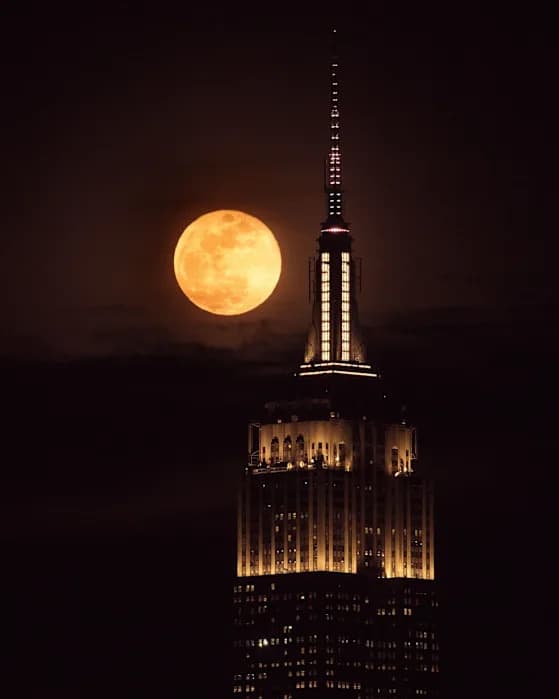
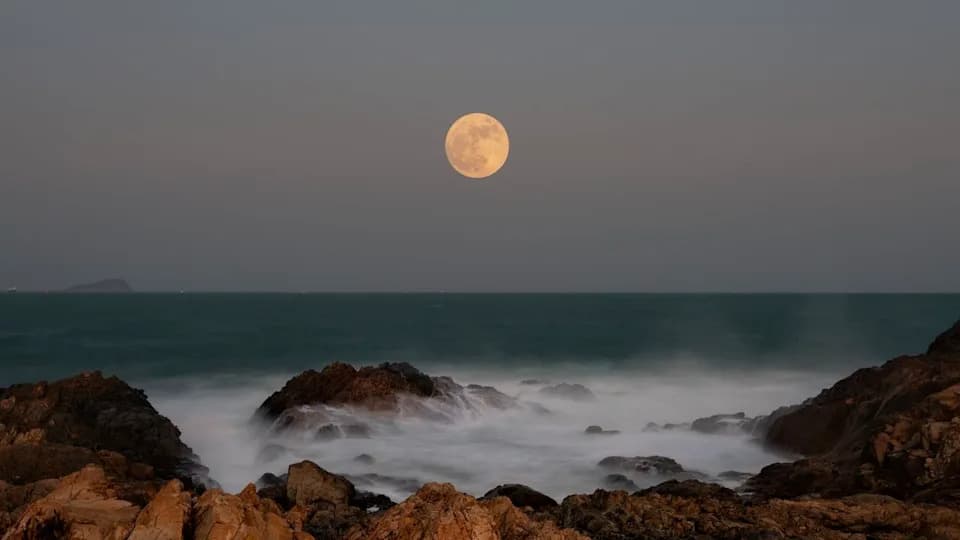
The next full Moon is expected on Dec. 4; that full Moon will be the final one in a run of three consecutive supermoons. The previous full Moon occurred on Nov. 5.
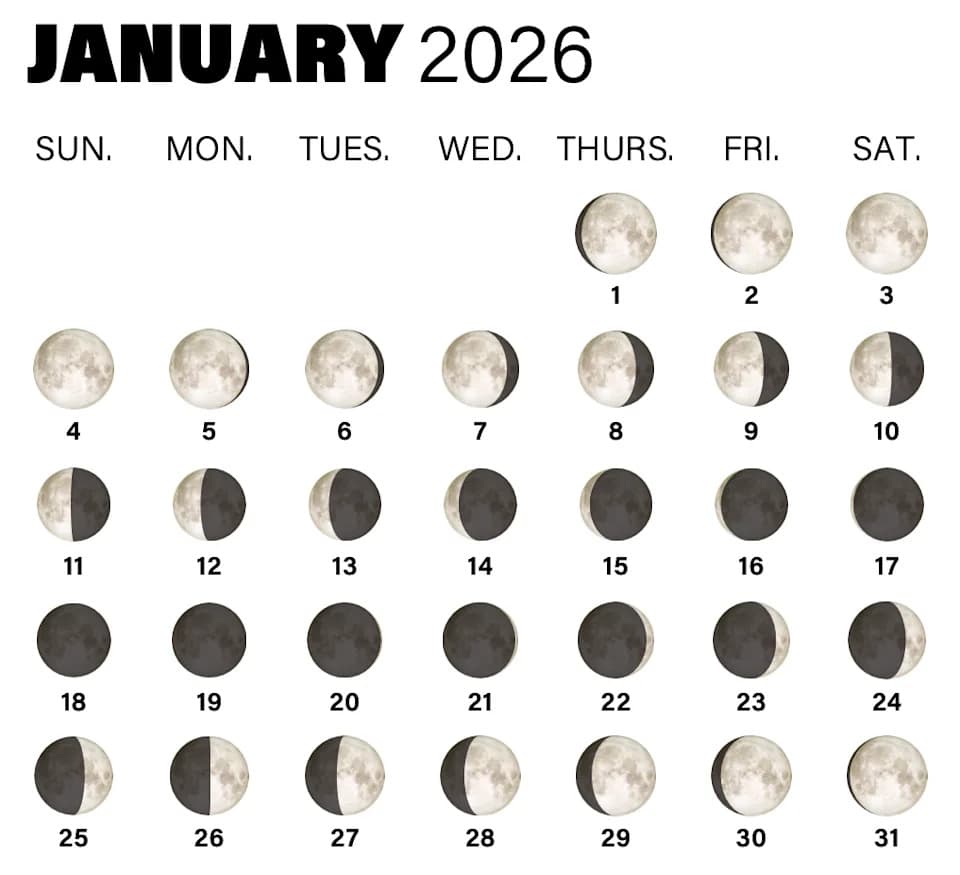
Moon phases result from the Moon’s orbit around Earth and the changing angle of sunlight hitting the hemisphere we always see. Although the same lunar face is always turned toward Earth, the amount of that face illuminated by the Sun changes throughout the cycle. The principal phases are listed below:
- New Moon — The Moon is between Earth and the Sun; the side facing us is dark and effectively invisible.
- Waxing Crescent — A thin sliver of light appears on the right side (Northern Hemisphere). Visible shortly after sunset, low in the western sky.
- First Quarter — The right half of the Moon is illuminated; appears as a half-moon.
- Waxing Gibbous — More than half the disk is lit but not yet full.
- Full Moon — The entire face is illuminated and fully visible.
- Waning Gibbous — The Moon begins losing light on the right side (Northern Hemisphere).
- Third Quarter (Last Quarter) — A half-moon with the left side illuminated.
- Waning Crescent — A thin crescent of light remains on the left before the Moon returns to New Moon.
Observation tips: the Waxing Crescent is best seen shortly after sunset, low on the western horizon. A clear, unobstructed view of the horizon helps; binoculars can enhance the view but the very thin crescent may still appear faint. Over the next few nights the crescent will widen and details such as lunar maria and craters will become increasingly visible.
Help us improve.