In 2009 a hiker’s discovery of a bone on a dusty trail led to the excavation of shallow graves on Albuquerque’s West Mesa, revealing 11 women and an unborn child who vanished between 2001 and 2005. Investigators concentrated on two primary persons of interest but neither was charged in the West Mesa deaths. Degraded remains, limited forensic options and state DNA rules restricting uploads of deceased suspects’ profiles have hindered progress. An active task force continues to audit tips; a $100,000 reward remains for information leading to an arrest and conviction.
Bone on a Trail Led to Albuquerque’s West Mesa Mass Graves — The Search for the 'Bone Collector' Continues

Sixteen years after human remains were uncovered on Albuquerque’s West Mesa, the person nicknamed the “West Mesa Bone Collector” remains unidentified and families of the victims are still seeking answers.
Discovery
On February 2, 2009, hiker Christine Ross and her dog, Ruca, noticed a bone protruding from a dusty trail. Ross sent a photo to her sister, a registered nurse, who believed it was a human femur. That discovery prompted an excavation along 118th Street SW that revealed shallow graves containing the remains of 11 women and an unborn child. The victims had vanished between 2001 and 2005.
Victims and community impact
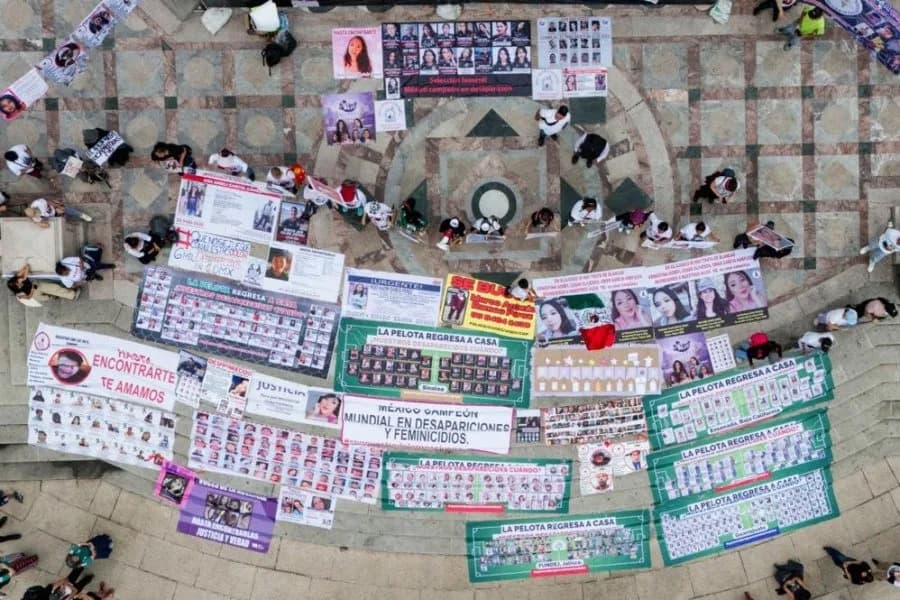
Most of the victims were Latina women in their 20s and some were as young as 15. Many were sex workers whose disappearances were not promptly reported or were under-investigated, leaving families frustrated and searching for closure. Veronica Romero, one victim, was 27 when she disappeared in 2004. Her boyfriend described the area where several victims worked as a place where sex workers, clients, dealers and police all circulated — a dynamic that complicated both safety and investigations.
Persons of interest
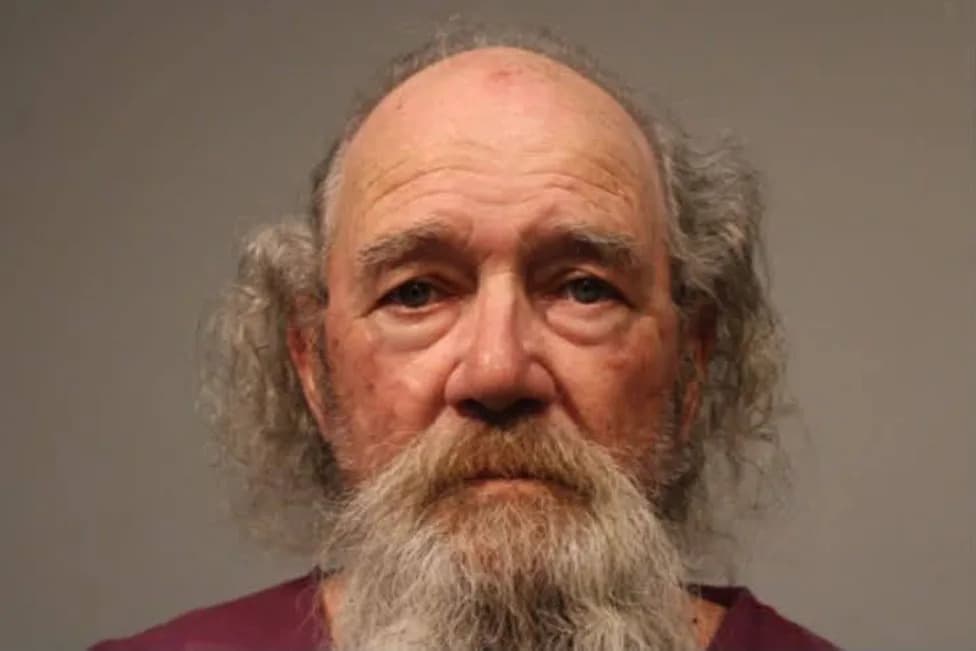
Investigators focused for years on two men as the most significant persons of interest. Joseph Blea, a convicted rapist now serving a lengthy sentence for unrelated convictions, was reported to have driven through the area where sex workers worked. A plant tag found near one set of remains raised questions because Blea worked in landscaping, but investigators were unable to link him to the graves and he has denied involvement.
Lorenzo Montoya lived near the burial area and had a reputation for violence toward sex workers. He died in 2006 after an altercation in which he strangled a teenager and was then fatally shot. Investigators observed tire tracks at the burial site that led toward a street near Montoya’s former home. A former detective reflected, "We lost Montoya, who I think was probably our best suspect," citing his proximity to the graves.
Forensic and legal challenges
Investigators believe many victims were likely strangled, but the condition of remains after years underground has limited forensic clarity on causes of death. Authorities have not publicly confirmed whether usable suspect DNA was recovered from the graves. A significant legal obstacle is New Mexico’s DNA law: DNA from deceased suspects cannot be uploaded to the national CODIS database unless the person was charged before death, restricting comparisons that might identify links to other crimes.
Investigation status and ongoing efforts
Nearly 1,200 public tips have been received and roughly 200 women with arrest histories tied to drugs or prostitution have been interviewed. Police have used ground-penetrating radar, reexamined related cold cases and conducted additional searches (including a 2021 search prompted by a tip) but have not recovered further remains. Authorities say eight women with similar life circumstances remain missing, raising concerns that there could be additional victims.
An active task force continues to audit tips and pursue leads. There is currently a $100,000 reward for information leading to an arrest and conviction in the West Mesa case. Command staff have urged changes to state DNA rules to allow comparisons that could tie deceased suspects to other violent crimes.
How to help
Anyone with information is asked to contact the 118th Street Task Force at 505-768-2450 or Crime Stoppers at 505-843-STOP. Families and investigators continue to press for answers and closure for the victims and their loved ones.
Help us improve.