Cannabis can cause a diagnosable substance use disorder, and the belief that it isn’t addictive is increasingly inaccurate as legalization spreads. Higher frequency of use and stronger products (today’s dispensary items can reach 40%+ THC) raise the risk. Diagnosis follows DSM criteria and ranges from mild to severe; recent data show about 7% of people 12+ met criteria in 2024. Effective treatments include motivational interviewing, CBT, and peer-support groups, and people experiencing harm should seek help.
You Can Become Addicted to Cannabis — Signs, Risks and How to Get Help

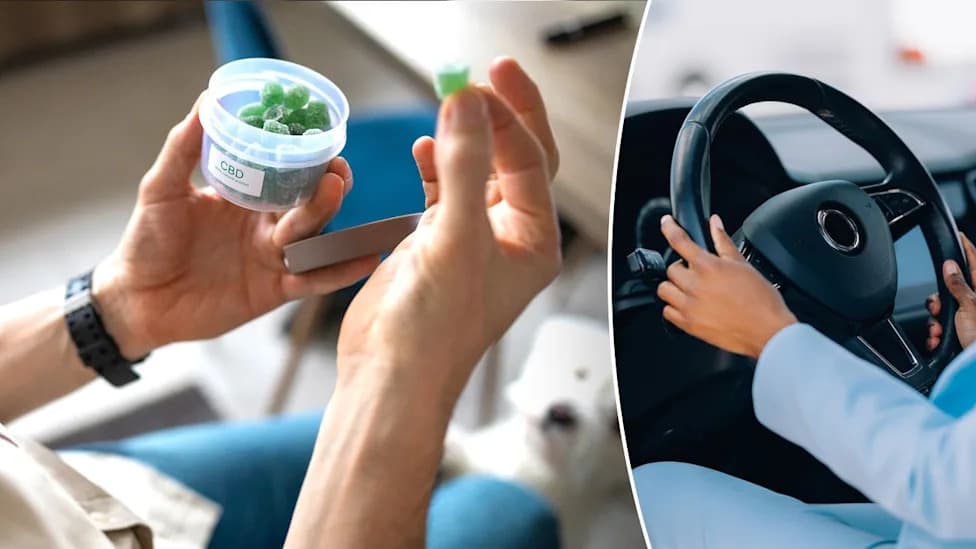
Many people still believe marijuana can't be addictive — a misconception that has spread as more U.S. states legalize cannabis. But addiction specialists say cannabis can produce a diagnosable substance use disorder. Dr. Smita Das, an addiction psychiatrist at Stanford University, says, "Cannabis is definitely something that someone can develop an addiction to."
How to spot cannabis use disorder
Cannabis use becomes concerning when it interferes with daily responsibilities, relationships or physical and mental health. Key warning signs include:
- Needing more cannabis to achieve the same effect (tolerance)
- Withdrawal symptoms when trying to cut down
- Spending a lot of time obtaining, using, or recovering from cannabis
- Continued use despite negative consequences at work, school, or in relationships
Clinicians diagnose cannabis use disorder using the same framework applied to other substance use disorders in the Diagnostic and Statistical Manual of Mental Disorders (DSM). According to public health sources, roughly 30% of people who use cannabis may develop some degree of cannabis use disorder, and recent national surveys estimate about 7% of people aged 12 and older met criteria in 2024.
Why risk has risen
The risk of problematic use increases with more frequent use and with higher-potency products. In the 1960s, most smoked cannabis contained under 5% THC, the main psychoactive compound. Today, THC levels in flower and concentrated products sold in dispensaries can reach 40% or more, increasing the likelihood of tolerance and dependence—especially for regular users (source: National Institute on Drug Abuse).
Degrees of severity
Severity is determined by how many DSM criteria someone meets over the past year: two criteria indicate a mild disorder, three to five indicate a moderate disorder, and six or more indicate a severe disorder. Clinicians also distinguish physical dependence (tolerance and withdrawal) from addiction, which includes behavioral changes and impaired daily functioning. As Dr. Das notes, the same amount of cannabis can have major impacts on one person's life while barely affecting another; the determining factor is how much it impairs daily functioning.
Treatment and support options
Effective treatments are available. Common approaches include:
- Motivational interviewing: A goal-oriented counseling style that helps people find internal motivation to change.
- Cognitive Behavioral Therapy (CBT): Helps people identify and change unhelpful thoughts and behaviors that sustain use.
- Peer support: Twelve-step groups (e.g., Marijuana Anonymous) and online recovery communities offer social support and shared experience.
"Peer support is essential to recovery," said Dave Bushnell, who created a large online forum for people recovering from cannabis dependence. "This is potheads taking care of potheads."
Many people first seek help for another issue (such as alcohol) and later recognize cannabis as a contributing problem. Whether through professional treatment, counseling, or peer groups, leaning on a community that supports reduced use or abstinence can be critical to recovery.
When to seek help
If cannabis use is disrupting work, school, relationships, finances or health, consider reaching out to a primary care provider, mental health clinician, or a local substance use treatment service. Early support increases the chances of successful change. As Dr. Das says, "Just because something’s legal doesn’t mean that it’s safe."
Help us improve.