Case overview
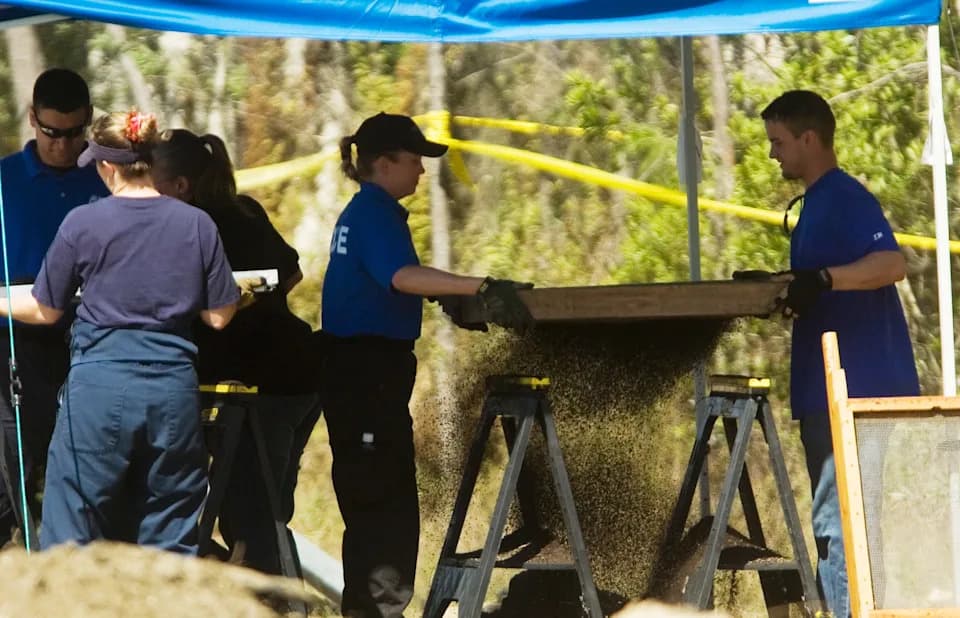
In March 1992, 23-year-old Tanna Togstad and 35-year-old Timothy Mumbrue were found stabbed to death inside a farmhouse in Royalton, Wisconsin. Togstad had been sexually assaulted; both victims — and Togstad’s dog, Scruffy — died of multiple stab wounds. The killings remained unsolved for three decades.
Renewed investigation and arrest
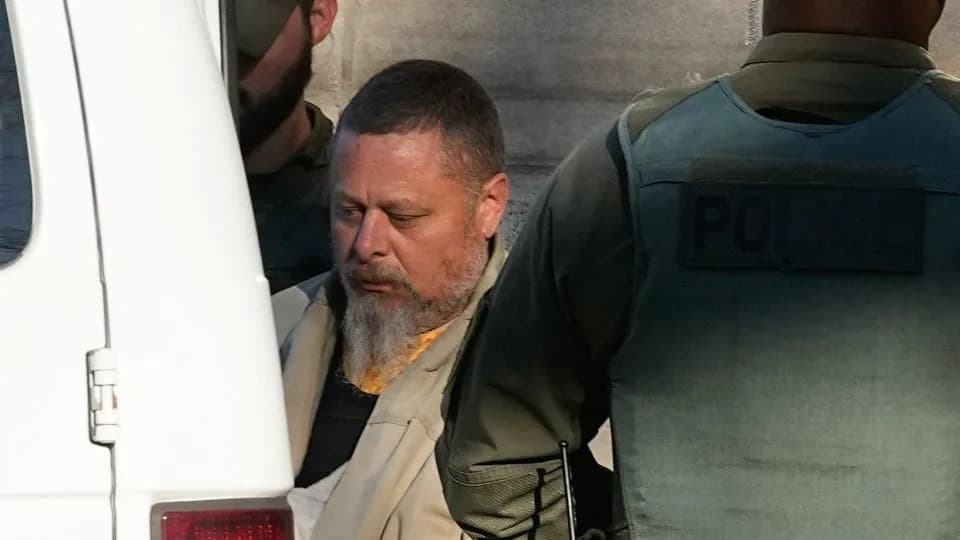
Investigators reopened the case and in 2022 identified Tony Haase as a person of interest. During a staged traffic stop, officers obtained a DNA sample from a pen Haase had used; that sample matched material collected from Togstad’s body in 1992. Authorities also cited a palm print on Togstad’s door that they said matched Haase. He was arrested in August 2022 and charged with two counts of first-degree intentional homicide.
Confession and alleged motive
In an August 2022 interrogation, Haase — who was about 21 at the time of the killings — told police he remembered only fragments of entering Togstad’s home and getting into a "scuffle" with Mumbrue. He disclosed a decades-old connection to one of the victims: Haase said his father had died in a snowmobiling accident when he was a child and that Togstad’s father had been involved in that crash. Prosecutors argued Haase may have gone to the farmhouse thinking Togstad would be alone and acted while dwelling on that childhood trauma.
Defense arguments and alternative suspects
At trial, Haase’s defense attorneys said the 2022 statements were the product of coercive and deceptive interrogation tactics and therefore unreliable. They also challenged the integrity of the DNA evidence, citing an unclear chain of custody over three decades. The defense pointed to other possible perpetrators, including Haase’s late uncle, Jeff Thiel (deceased 1995), whom they described as having a history of animal cruelty and violent behavior. They also referenced a convicted killer, Glendon Gouker, who at one point had been linked to the scene and had previously made a confession; prosecutors countered that Gouker has a record of false admissions.
Trial outcome and civil action
On August 11, 2025, a jury found Haase not guilty of both counts of first-degree intentional homicide. The verdict followed a lengthy legal battle over the reliability of decades-old physical evidence, the circumstances surrounding Haase’s post–cold-case confession, and competing theories advanced by prosecutors and defense counsel.
Days after the acquittal, Togstad’s brother filed a $17 million wrongful-death lawsuit against Haase, alleging Haase killed his sister because he blamed her father for his own father’s death. Haase denied the civil claims and later moved to dismiss the suit.
Remaining questions
The case continues to raise unresolved issues: how evidence was preserved and handled for over 30 years, whether other suspects may have been involved, and how interrogations of witnesses and suspects years after the crime should be weighed. The murders remain a source of deep pain for the victims’ family and a cautionary example of the challenges in prosecuting decades-old crimes.
Victims: Tanna Togstad, Timothy Mumbrue.
Accused (acquitted): Tony Haase.