The Trump administration, absent from COP30 in Belém, announced a package of environmental proposals that would open roughly 1.27 billion acres of U.S. coastal waters to oil leasing, narrow Clean Water Act protections so an estimated 19% of wetlands might remain federally safeguarded, and loosen rules under the Endangered Species Act. Supporters say the measures restore energy and economic priorities; critics warn they increase flood and drinking-water risks, harm biodiversity, and signal a retreat from U.S. climate leadership. Environmental groups caution that the long-term impacts could be widespread and severe.
US Skips COP30 and Unveils Sweeping Environmental Rollbacks, Including Offshore Drilling

As nearly 200 nations concluded negotiations at the United Nations COP30 climate summit in Belém, Brazil, the United States was notably absent. Instead of participating in the multilateral talks, the Trump administration announced a package of proposals this week that would expand offshore oil leasing, narrow federal Clean Water Act protections, and ease rules under the Endangered Species Act.
Major proposals announced
Offshore leasing: The administration proposed opening roughly 1.27 billion acres of U.S. coastal waters to oil and gas leasing — a move not seen in decades. The proposal drew mixed reactions: industry groups hailed it as a major expansion of domestic energy access, while many coastal officials and some members of Congress opposed drilling in sensitive shorelines.
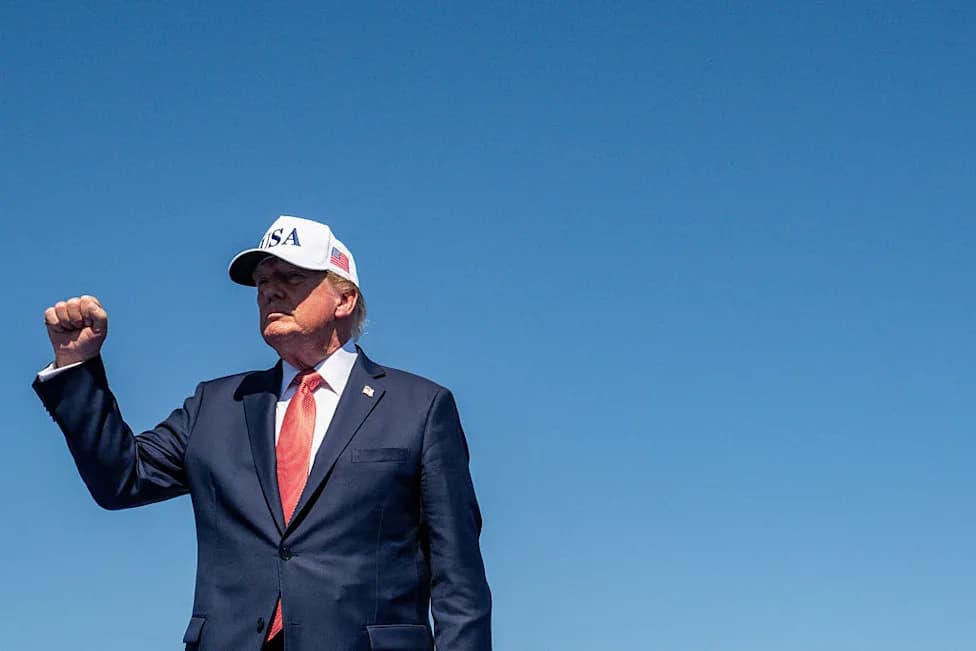
“President Trump is reversing government overreach, restoring energy security, and protecting American jobs by rolling back excessive, burdensome regulations and creating new opportunities to ‘DRILL, BABY, DRILL,’” said White House spokesperson Taylor Rogers.
Florida Republican Sen. Rick Scott urged that Florida’s coasts remain off-limits to drilling to protect tourism and military training zones. California Gov. Gavin Newsom called the proposal unacceptable for the state, warning it would endanger coastal communities and local economies.
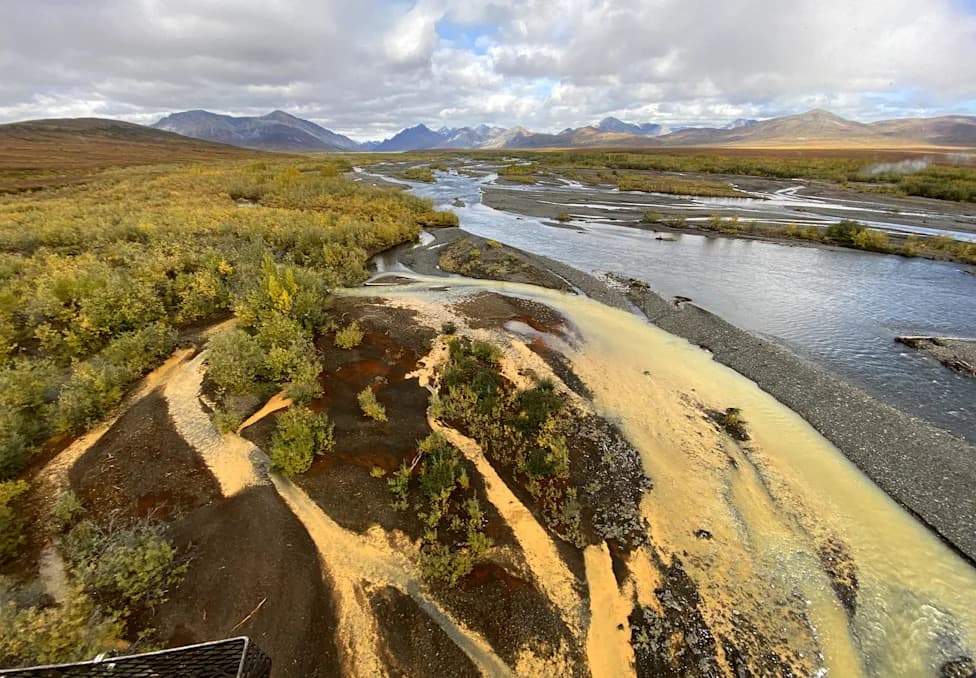
Clean Water Act changes: The administration also proposed narrowing the definition of “waters of the United States,” which would reduce federal jurisdiction over many small streams and wetlands. According to Jon Devine, who leads the water policy team at the Natural Resources Defense Council, EPA estimates under the proposed definition only about 19% of the nation’s wetlands would remain federally protected.
Wetlands play a key role in flood buffering by absorbing and storing runoff during heavy rainfall. Critics warn that limiting protections increases flood risk as climate change intensifies extreme precipitation and could threaten drinking-water sources that rely on upstream streams and wetlands.
Endangered Species Act rollbacks: A set of four proposed rules would make it easier to remove species from the threatened and endangered lists, harder to add species and critical habitat, and allow economic factors to be weighed in listing decisions. Advocates say these changes would weaken long-standing safeguards for biodiversity.
Implications and reactions
Environmental advocates say the combined effect of the proposals represents a coordinated deregulatory push that prioritizes short-term economic interests over long-term environmental and public-health protections.
“These rules double down on the administration’s refusal to confront the climate crisis in a serious way and, in fact, move us in the opposite direction,” said Jessie Ritter, associate vice president of waters and coasts at the National Wildlife Federation.
Supporters argue the rollbacks reduce regulatory burdens and support energy development and jobs. Critics counter that the policy changes will increase flood and water-safety risks, imperil wildlife and habitat, and weaken U.S. credibility on the global stage at a time when countries are negotiating the future of fossil-fuel use.
While many of the immediate effects may take years to materialize, experts caution that once protections are narrowed, the cumulative and long-term consequences for communities, ecosystems and climate resilience could be significant.
Help us improve.