Tokyo businesses report only a limited, uneven impact from China's travel advisory after a diplomatic dispute. While hotels and group tour operators face cancellations, many shops and restaurants say domestic customers and visitors from other countries have helped stabilise sales. China remained a leading source market in 2025, but officials warn against overreliance on any single country.
Tokyo Businesses Largely Unfazed by China Travel Advisory; Some Hotels Report Cancellations

Many shops and restaurants across Tokyo say they have so far seen only a limited impact from Beijing's travel advisory after a recent diplomatic spat, even as some hotels that rely heavily on Chinese guests report cancellations.
Shiina Ito, manager of a jewellery shop in Asakusa, said footfall from Chinese visitors has declined but sales remain steady because more Japanese customers are visiting. "Since there are fewer Chinese customers, it's become a bit easier for Japanese shoppers to visit, so our sales haven't really dropped," she said.
Local retailers and eateries report a mixed picture. In Ginza, Yuki Yamamoto, who runs a popular udon restaurant, said he has not noticed a sudden drop in takings: "I don't think there's been any sudden, dramatic change. Of course, if customers decrease, that's disappointing. But Japanese customers still come regularly, so we're not extremely concerned." Many businesses that served Chinese tourists before the advisory — from department stores to pharmacies — had invested in Mandarin-language signs and staff.
Economic context: China was the largest source of visitors to Japan in early 2025, with almost 7.5 million arrivals in the first nine months of the year, accounting for about a quarter of all foreign tourists. Attracted by a weak yen, Chinese tourists spent roughly $3.7 billion in the third quarter. The Japan National Tourism Organization reported that Chinese visitors spent on average about 22% more per person than other foreign tourists last year.
Japan received a record 36.8 million international arrivals last year, a surge that has prompted concerns about overtourism in some popular areas.
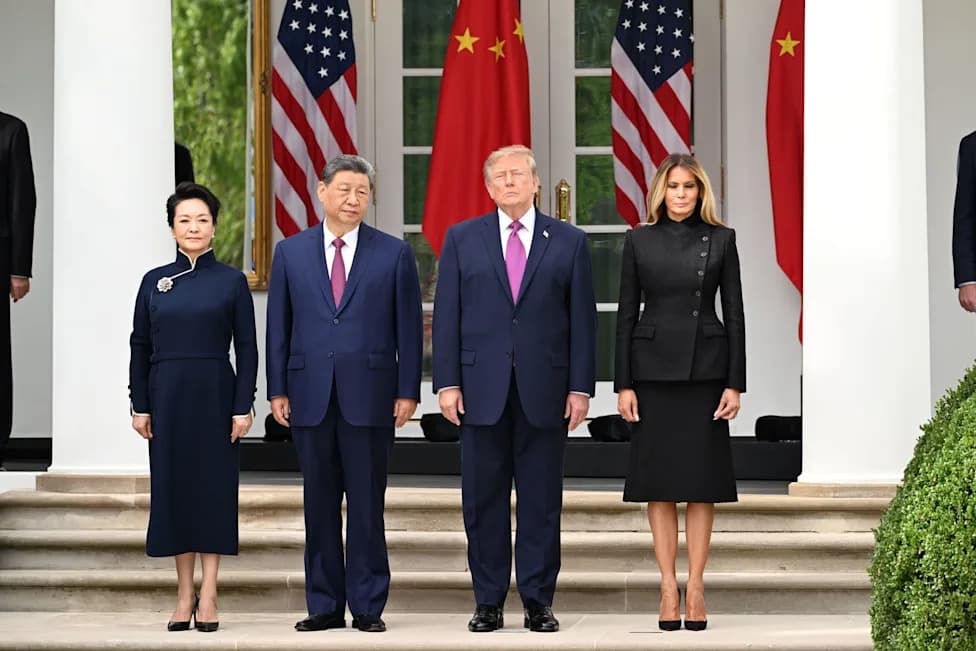
Diplomatic trigger and fallout: On November 7, Prime Minister Sanae Takaichi made comments suggesting Japan might intervene militarily if Taiwan were attacked. Beijing responded by advising Chinese citizens to avoid travel to Japan; the advisory prompted a sell-off in some retail and tourism stocks, many of which have yet to fully recover.
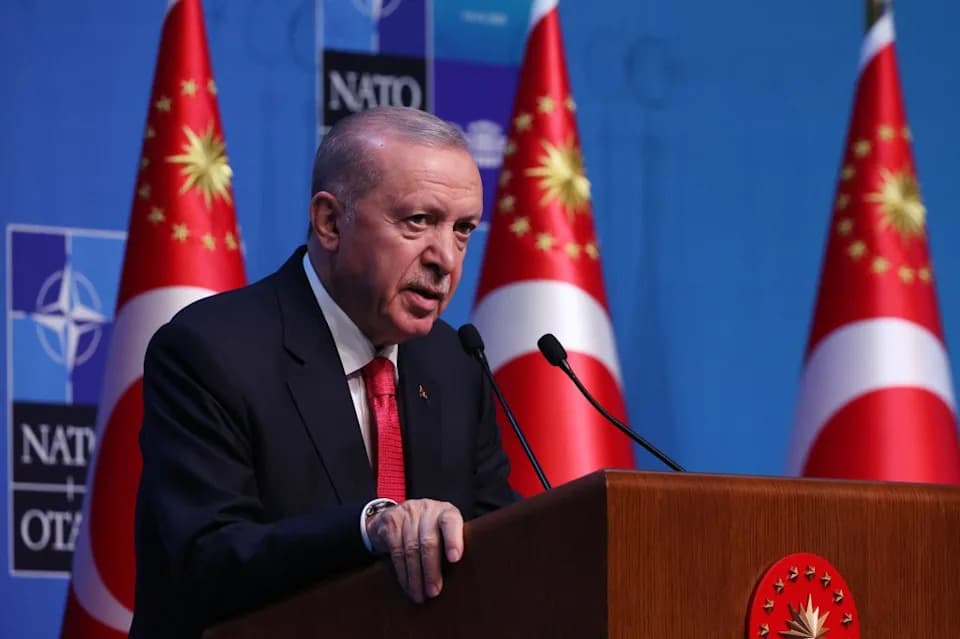
Japan's minister of economic security, Kimi Onoda, cautioned against overreliance on a market that could use economic pressure, saying such dependence risks both supply chains and tourism. Transport Minister Yasushi Kaneko urged calm, noting an uptick in tourists from other countries that could help offset some losses.
Travel agencies and hotels report more immediate disruption in group travel. Wu Weiguo, manager of a Shanghai travel agency, said about 90% of his clients on group itineraries to Japan requested refunds following the advisory. However, the national tourism board notes that only roughly 12% of Chinese visitors last year travelled on organised tours, down from nearly 43% in 2015.
Keiko Takeuchi, who runs the Gamagori Hotel in central Japan, said cancellations from Chinese travel agencies have arrived "one after another." She estimated that 50–60% of her guests are Chinese nationals and added: "I hope the situation calms down quickly, but it seems it will take time."
Outlook: While some sectors feel the immediate pain, many Tokyo businesses say steady domestic demand and rising visitors from other countries are cushioning the blow. Travel agents remain optimistic about long-term Chinese interest in Japan, citing the country's reputation for quality service and good value shopping. For now, the impact appears uneven: short-term disruption for some hotels and group operators, but broader resilience across retail and dining in Tokyo.
Help us improve.