Key points: UNICEF reports that at least 67 Palestinian children have been killed in Gaza since an Oct. 11 US-brokered ceasefire, including a baby in Khan Younis. Humanitarian groups say tens of thousands more children have been killed or injured since October 2023, with many suffering lifelong disabilities. Aid agencies warn severe shortages of tents, heating and medical supplies are exposing displaced children to grave winter risks and call for unfettered access to life-saving assistance.
UNICEF: 67 Palestinian Children Killed in Gaza Since US-Brokered Ceasefire as Humanitarian Crisis Deepens

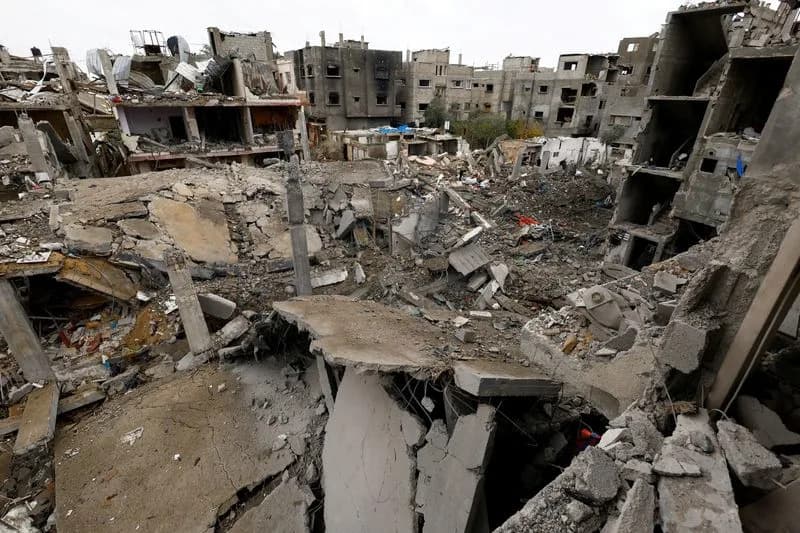
At least 67 Palestinian children have been killed in the Gaza Strip since a United States-brokered ceasefire took effect on Oct. 11, UNICEF spokesperson Ricardo Pires said during a news conference in Geneva. The toll includes a baby girl killed in an air strike on a home in Khan Younis and seven children who died the previous day amid a wider wave of strikes across the enclave.
"This is during an agreed ceasefire. The pattern is staggering," Pires told reporters. "As we have repeated many times, these are not statistics: Each was a child with a family, a dream, a life—suddenly cut short by continued violence."
UNICEF has previously warned that children in Gaza have borne the brunt of the bombardment: the agency estimates roughly 64,000 children have been killed or injured since the war began in October 2023. Humanitarian organizations are also reporting long-term consequences beyond fatalities, including rising numbers of severe injuries and disabilities.
Save the Children reported that in 2024 an average of 475 Palestinian children per month have suffered lifelong disabilities from the conflict, including traumatic brain injuries and severe burns, and that Gaza is now home to what the organization describes as "the largest cohort of child amputees in modern history."
This week the Israeli military said it conducted a series of air strikes across Gaza in response to an incident in Khan Younis in which it said troops were fired upon. Hamas denied the claim and called the strikes a "dangerous escalation." Reports say the strikes killed at least 32 Palestinians.
Medical teams on the ground have described treating victims of the recent attacks. Doctors Without Borders (MSF) said its Gaza teams treated several women and children with open fractures and gunshot wounds to limbs and the head. Zaher, an MSF nurse at a mobile clinic in Gaza City, described treating a woman with a leg injury and a nine-year-old girl with a facial wound the team attributed to fire from a quadcopter.
"I opened my eyes and saw my father on the ground, and I saw my three brothers on the ground, covered in blood and dust was everywhere," said Mohammed Malaka, a patient at al-Shifa Hospital, recalling the moment after an attack left many around him injured. "I could hear people screaming everywhere … the tents had become ashes, and people were lying on the ground everywhere."
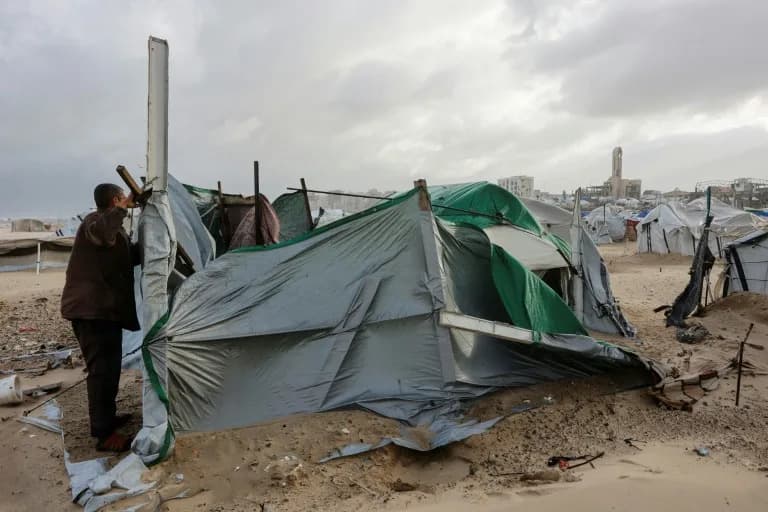
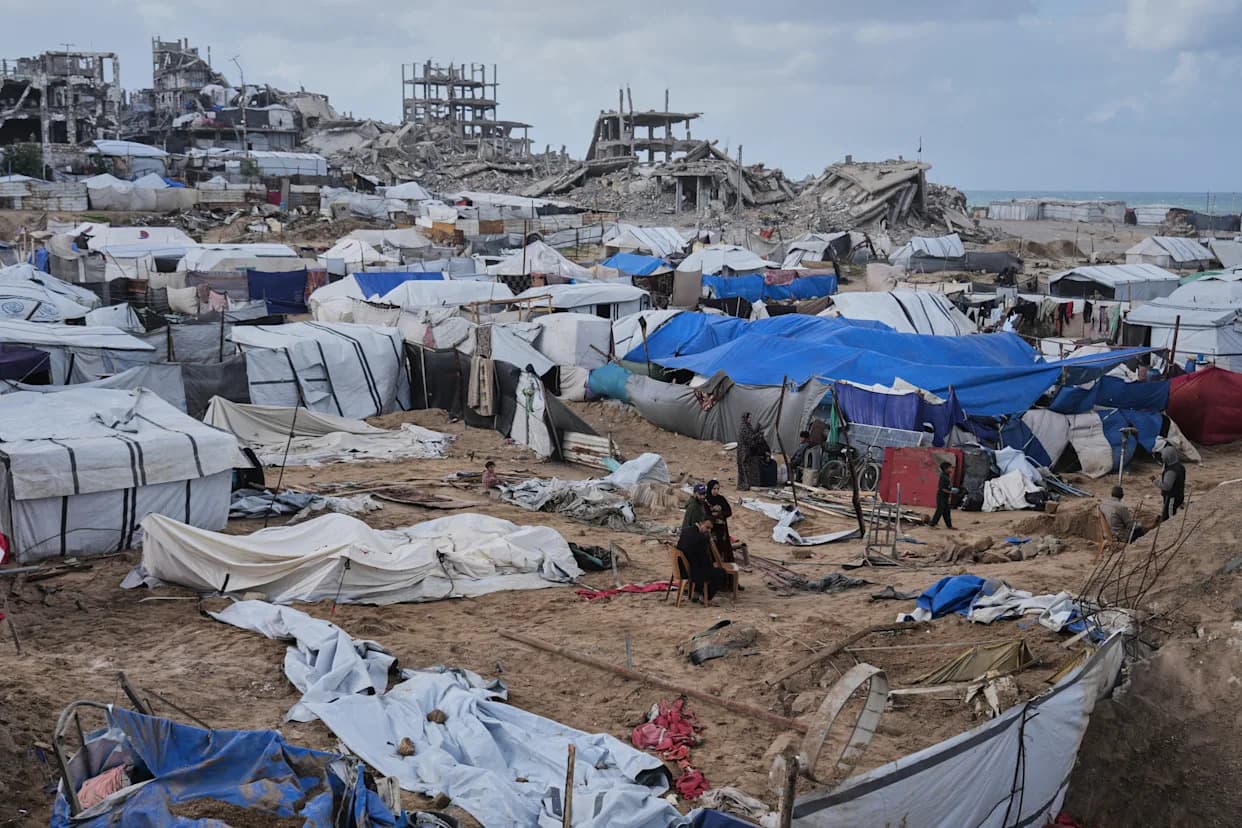
Beyond direct attacks, Gaza faces a deepening humanitarian crisis driven by restrictions on deliveries of aid and supplies. Humanitarian agencies warn that shortages of tents, heating, insulation and blankets are pushing displaced families—many with children—into exposed, makeshift shelters as winter approaches.
Pires warned that many children are "sleeping in the open" and "trembling in fear while living in flooded, makeshift shelters," and called for greater access for life-saving assistance. "The reality imposed on Gaza's children remains brutally simple: There is no safe place for them and the world cannot continue to normalise their suffering," he said.
The humanitarian community continues to press for unfettered access to deliver shelter, medical care, food and winter supplies to protect children and families at immediate risk.
Help us improve.