Yuli Novak, director of B’Tselem, warns that a US-brokered ceasefire has not eliminated the danger in Israel-Palestine and that structural policies have set the stage for sustained abuses. B’Tselem’s report Our Genocide details decades of practices the organisation says enabled the devastation in Gaza. Novak and colleagues met US lawmakers to press for accountability as tens of thousands remain displaced and more than 69,000 Palestinians have been killed. They cautioned that reduced international pressure risks normalising past crimes and enabling further violence.
B’Tselem director warns ceasefire hasn’t ended danger in Israel-Palestine and urges accountability

Washington, DC — Yuli Novak, executive director of the Israeli human-rights organisation B’Tselem, warned politicians and policymakers that the situation between Israel and the Palestinians remains "disastrous" despite a recent US-brokered ceasefire that has reduced large-scale strikes in Gaza.
“Our warning is that we haven’t seen the worst,” Novak said, stressing that Israel must be held accountable for abuses in Gaza.
B’Tselem and multiple human-rights groups have published reports in recent years alleging that Israeli policies and military operations in Gaza amount to genocidal practices. A high-profile B’Tselem report, Our Genocide, documents a decades-long pattern the organisation says includes apartheid-like policies, demographic engineering, systematic dehumanisation and a culture of impunity that helped create the conditions for the current devastation in Gaza.
Novak warned that those structural drivers remain entrenched and that the recent cessation of large-scale hostilities does not eliminate the risk of renewed violence. "As long as these things are still in place, we are very concerned that the violence that we’ve seen is not over," she said.
Human toll and ongoing restrictions
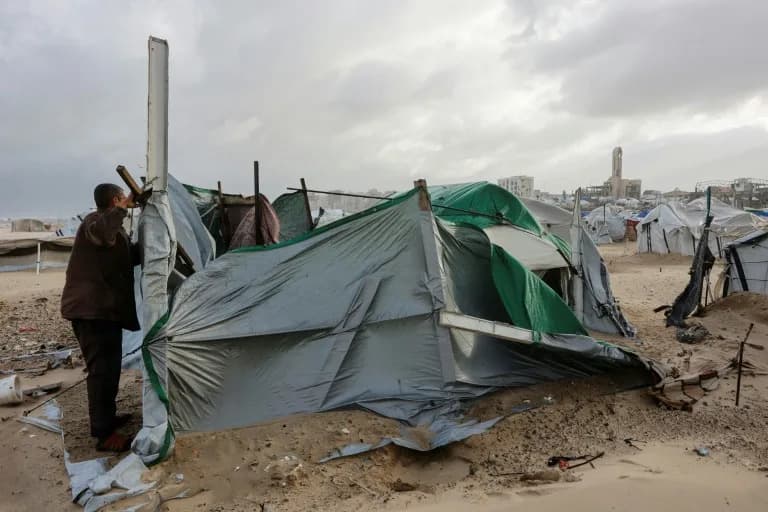
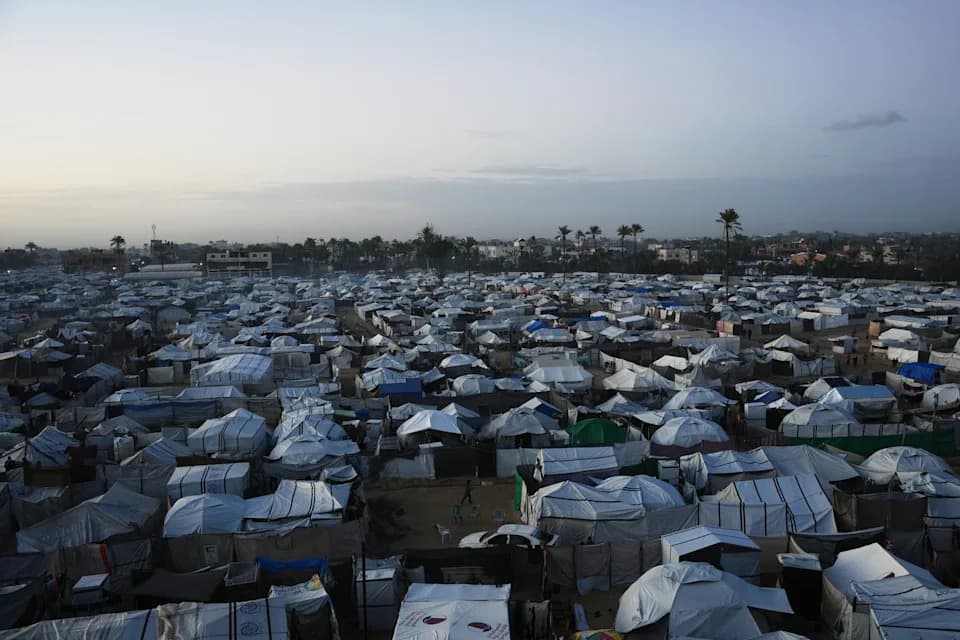
Since the truce began, at least 360 Palestinians in Gaza have been reported killed, including 32 people in a recent wave of air strikes. Humanitarian access continues to be restricted: authorities have limited entry of aid and impeded delivery of temporary shelters needed to replace tents damaged by flooding.
Over the course of the conflict, more than 69,000 Palestinians have been killed in Gaza and much of the territory has been heavily damaged or destroyed. In the occupied West Bank, conditions have also deteriorated: settlement expansion is accelerating, military raids have intensified, and recent reporting documents the forcible displacement of about 32,000 Palestinians from Jenin, Tulkarem and Nur Shams.
Settler violence, state responsibility and accountability
Novak and B’Tselem field research director Kareem Jubran emphasised that violence by Israeli settlers is often linked to state policies and protections. "They are Israeli civilians living in the West Bank being armed by the state. Sometimes, many of them wear [army] uniforms. Sometimes these are soldiers on reserve duty that are on a break," Novak said.
While some Israeli officials have publicly condemned settler attacks, Novak described such statements as deflections that frame the problem as the actions of a marginalised minority rather than part of a broader system of state-backed violence. She noted that much of the killing and destruction in the West Bank is carried out by official Israeli forces.
Advocacy in Washington
Novak and Jubran met with several US lawmakers this week, including Senators Peter Welch, Jeff Merkley and Chris Van Hollen, and Representative Rashida Tlaib, pressing for legal and political accountability for what they describe as sustained crimes in Gaza. "We are talking about a governing system, the Israeli system, that conducted genocide for two years — war crimes on a daily basis — and got away with it with no accountability," Novak said.
They warned that measures taken by international bodies and governments in the wake of the ceasefire — such as reduced diplomatic pressure and the easing of some sanctions or restrictions — risk normalising past abuses and enabling future atrocities.
Public awareness and the call for action
Despite the lack of formal accountability, Novak noted growing international public awareness of the scale of suffering in Gaza and the West Bank. She said that public scrutiny and the voices of victims offer some hope, and she urged citizens worldwide to demand that their leaders pursue accountability, reparations and structural change to prevent further violence.
“If there is something that gives us hope in this really, really terrible moment, it is the fact that many people around the world are able to see through the propaganda and make sense of what their eyes saw,” Novak said. “People need to demand their leaders and politicians hold Israel accountable.”
Help us improve.