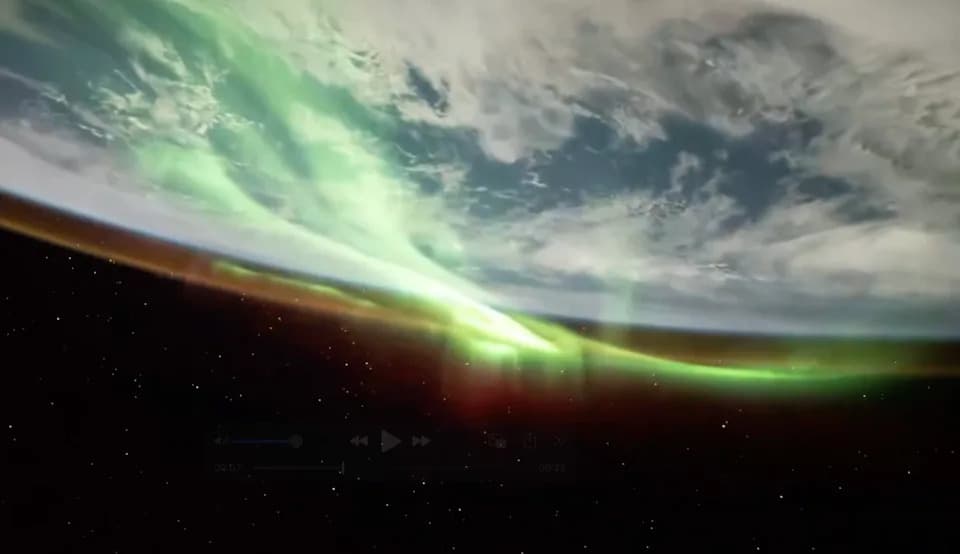
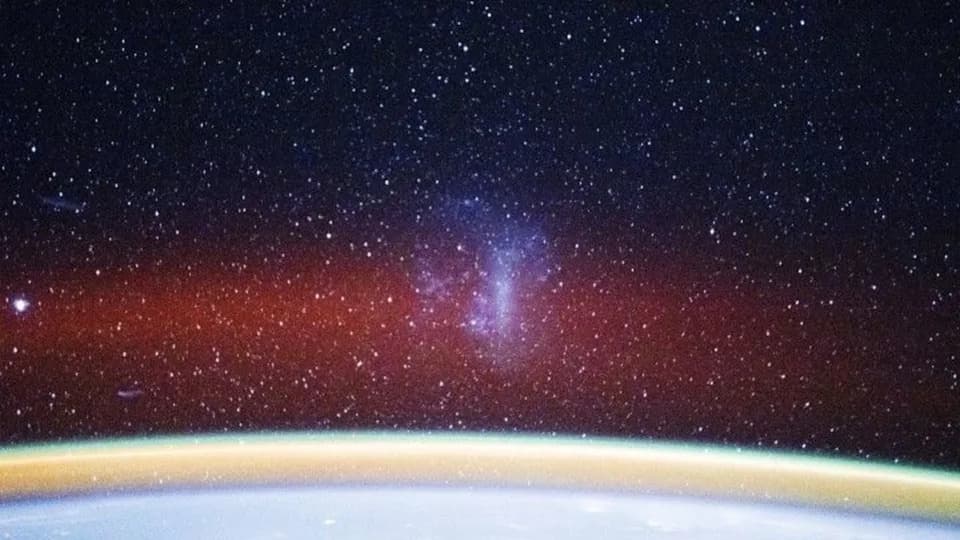
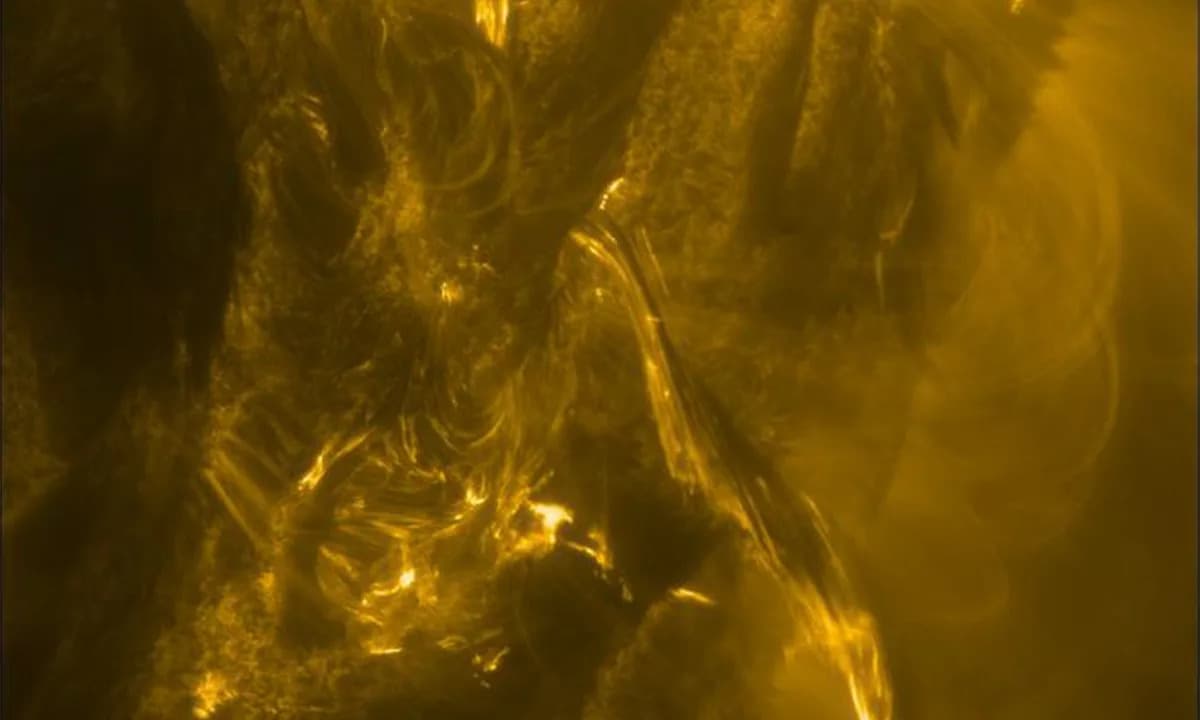
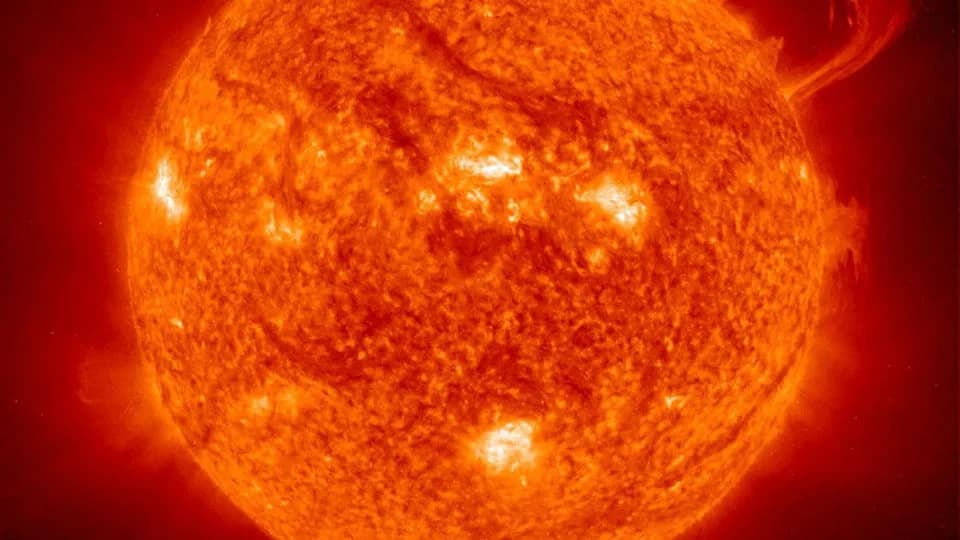
The International Space Station captured dramatic images of comets Lemmon and SWAN passing over vivid auroras created by a major solar eruption. Lemmon was confirmed in January by the Mount Lemmon Survey; SWAN was spotted in September by Vladimir Bezugly. Both are long-period comets likely originating from the distant reaches of the solar system, and their next returns are centuries to millennia away.
ISS Astronauts Capture Rare Comets Lemmon and SWAN Arcing Over Vivid Auroras

Images taken from the International Space Station show two recently discovered comets, Lemmon and SWAN, passing above brilliant auroral curtains produced by one of this year’s largest solar eruptions. The striking photos reveal long, faint tails of dust and gas as the comets sailed along their distant, slow-moving orbits.
Lemmon was confirmed by the Mount Lemmon Survey in January, while SWAN was first spotted by amateur observer Vladimir Bezugly in September. Current analyses place Lemmon among the many icy bodies that likely originated in the Oort Cloud — the distant reservoir of comets surrounding the Sun roughly 0.03 to 3.2 light-years away — and SWAN appears to have come from an even more remote region of the solar system.
From the station’s unique vantage point above Earth’s atmosphere, crew members captured the comets’ dusty comae and faint tails set against bands of green and red aurora, creating dramatic and scientifically valuable images. Because both comets have extremely long orbital periods, these photographs may represent some of the clearest views available for many centuries: Lemmon is not expected to return until around the year 3175, and SWAN’s next passage is estimated at roughly 22,554 years from now.
Why these images matter
Beyond their visual appeal, the photographs provide a rare record for researchers studying long-period comets and how solar activity interacts with cometary material. Observations like these help scientists refine orbital models, study comet composition, and understand how the solar wind and magnetic storms influence comet tails when they pass near Earth.
Quick facts:
- Lemmon: confirmed in January by the Mount Lemmon Survey; likely Oort Cloud origin.
- SWAN: discovered in September by Vladimir Bezugly; probably from a more distant region.
- Next returns: Lemmon ~3175, SWAN ~22,554 years.
Help us improve.