Local officials in Niigata have approved restarting the Kashiwazaki-Kariwa nuclear complex, the largest in the world, but national regulator approval is still required. The move reflects Japan’s effort to reduce costly fossil-fuel imports, lower emissions and meet rising electricity demand. The plant has received major safety upgrades, and nuclear is projected to supply about 20% of electricity by 2040 under Tokyo’s plan.
Kashiwazaki-Kariwa Nuclear Complex Edges Toward Restart After Local Approval

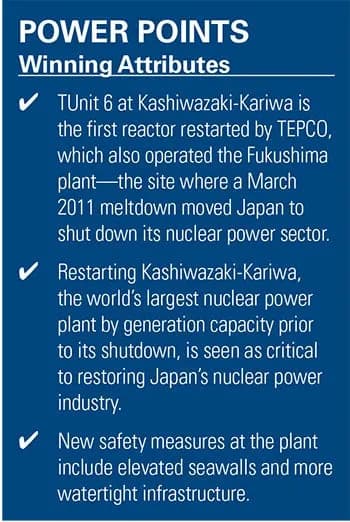
Local officials in Niigata prefecture have approved the restart of the Kashiwazaki-Kariwa nuclear complex — the world’s largest — marking the first local sign-off for the operator since the 2011 Fukushima crisis. Governor Hideyo Hanazumi said he "would approve" the resumption, but the restart still requires final authorization from Japan’s national nuclear regulator.
The facility, operated by TEPCO, was shut down after the devastating earthquake and tsunami in March 2011 triggered meltdowns at three reactors in Fukushima. That disaster killed roughly 18,000 people and prompted a nationwide pause and rigorous overhaul of nuclear safety rules.
Japan is now seeking to bring nuclear power back into its energy mix to reduce heavy dependence on imported fossil fuels, cut greenhouse-gas emissions and meet rising electricity demand driven in part by artificial intelligence and data centers. Nearly 70% of Japan’s electricity in 2023 came from coal, gas and oil — a share Tokyo aims to lower to around 30–40% over the next 15 years.
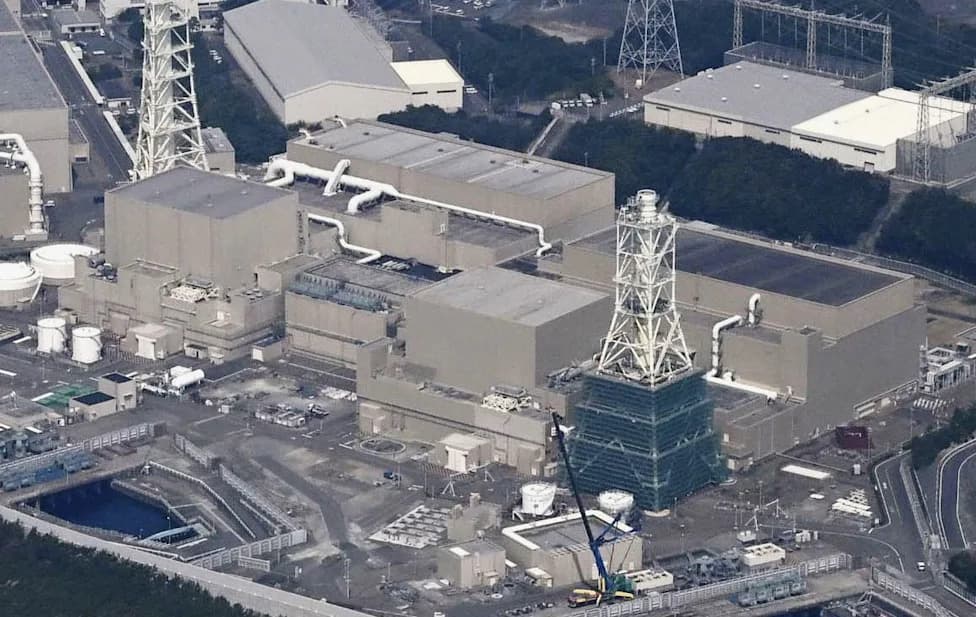
The 400-hectare (1,000-acre) Kashiwazaki-Kariwa site on the Sea of Japan coast has undergone multiple safety upgrades, including a 15-metre (50-foot) tsunami wall, relocated backup power systems on higher ground and enhanced emergency protocols. If restarted, it would be the first reactors to return to operation for TEPCO since 2011.
Since the post-Fukushima shutdown and the imposition of stricter safety standards, 14 reactors — mainly in western and southern Japan — have resumed operation. In July, Kansai Electric said it had taken initial steps toward building the country’s first new reactor since the Fukushima accident.
Tokyo passed a law in June allowing reactors to operate beyond 60 years in certain cases to compensate for unforeseen outages. Under Japan’s current energy plan, nuclear power is expected to supply roughly 20% of electricity by 2040, up from about 5.6% in 2022, while renewables are targeted to become the top power source by 2040. The country imports most of its fossil fuels at an estimated cost near $500 million per day.
What happens next
The Niigata approval is a major procedural step but not the final one. The national regulator must complete its safety review and grant final permission before any reactors can be restarted. Public concern remains strong in some communities, and regulators will face scrutiny over whether the upgraded safeguards sufficiently mitigate tsunami and earthquake risks.
Key facts: Kashiwazaki-Kariwa site area ~400 hectares; tsunami wall ~15 metres; target nuclear share by 2040 ~20%; current (2022) nuclear share ~5.6%.
Help us improve.