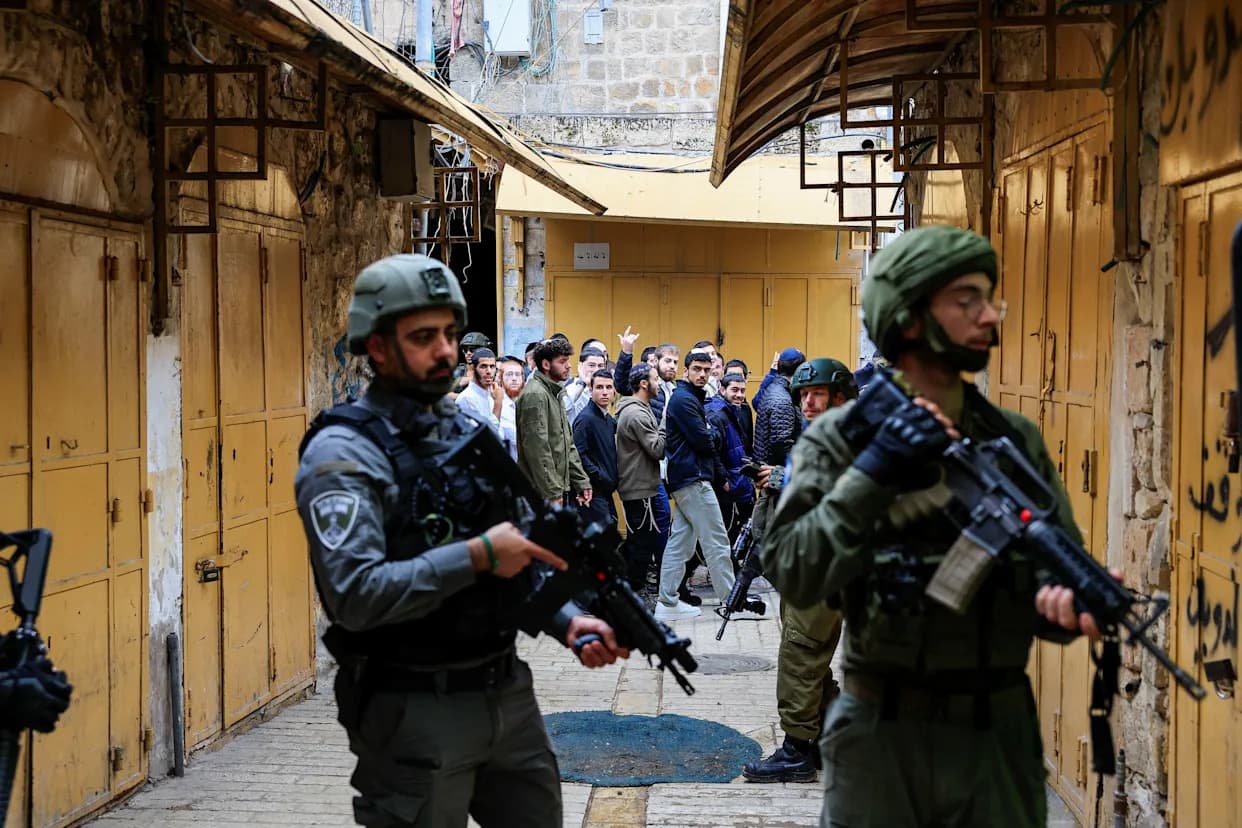
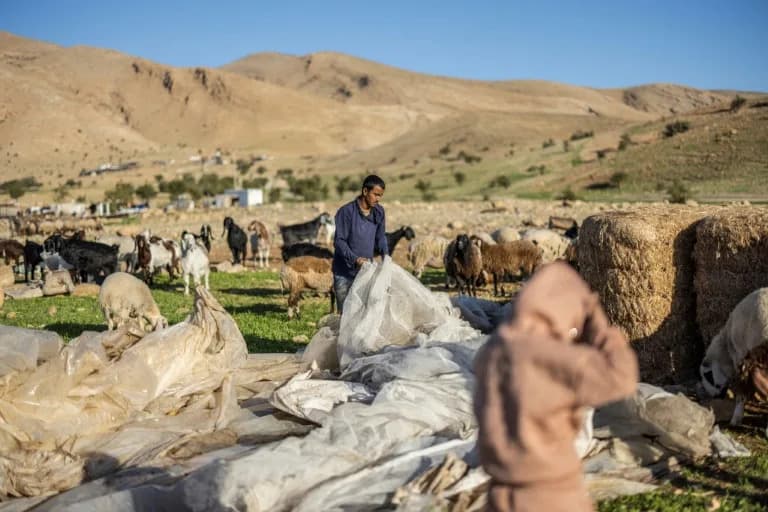
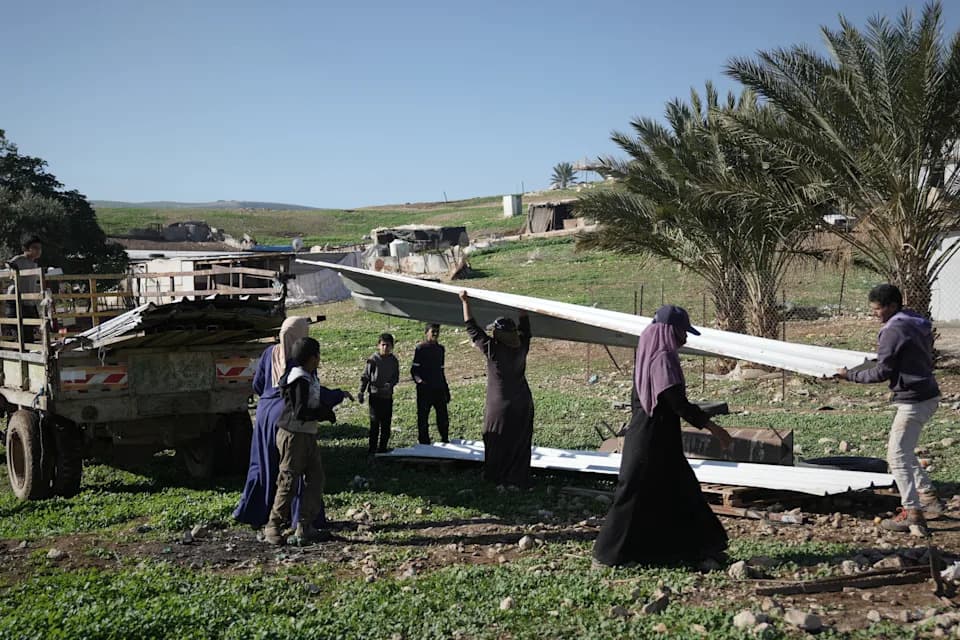
In Jubata al-Khashab and across Quneitra province, residents say Israeli forces have stepped up nighttime raids, checkpoints and patrols since December 2024, creating a climate of fear that is disrupting daily life and farming in the occupied Golan Heights.
Incursions, detentions and land losses
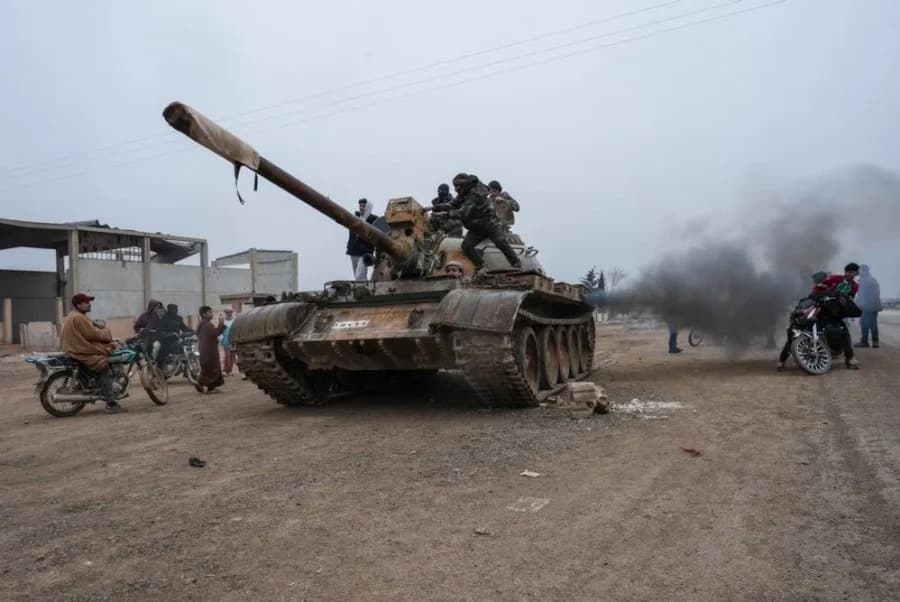
Locals and rights groups report that what Israel describes as security operations have grown more frequent and more aggressive. Witnesses say tanks and troops now operate deeper inside Syrian-held areas, establishing gates, berms, watchtowers and new military camps. Sanad, a fact-checking agency, has verified the creation of nine new Israeli military camps in Syria since December 2024.
Village elders estimate about 1,700 acres (688 hectares) of orchards, grazing land and fields have been seized to expand military positions. Residents also report that entire areas have been flattened and ancient trees uprooted to make room for infrastructure.
Families detained, appeals unanswered
Dozens of people have reportedly been detained in recent weeks; local estimates place the number at around 40. Residents describe early-morning seizures and blindfolded removals. Khadija Arnous says her husband and brother-in-law were taken from their home in July. Her brother-in-law, previously released from Sednaya prison, is said to be in Israeli custody again.
“We’ve had no news about them since,” Arnous said, covering her face for fear of reprisals. “We contacted the Red Cross, but to no avail.”
Other families report similar experiences. Hussain Bakr says his son and brother were taken five months ago; appeals to the UN and the Red Cross, he says, produced little response.
“They are innocent, taken for no reason,” Bakr said. “We complained to the UN and the Red Cross, who told us that they will ask the Israelis, but there is no response.”
Violence and restricted livelihoods
Residents say sniper fire and other violence are common near newly fortified positions. Mohammad Makkiyah described being shot by a sniper after approaching a watchtower: the first shot missed his head and a subsequent bullet struck his leg as he ran to escape.
Mohammad Mazen Mriwed, an elder in Jubata al-Khashab, said the incursions have made people afraid to cultivate their land. “Since the fall of the regime, many are no longer building or cultivating,” he said. “True relief will come only when the occupation ends.”
Political response and local demands
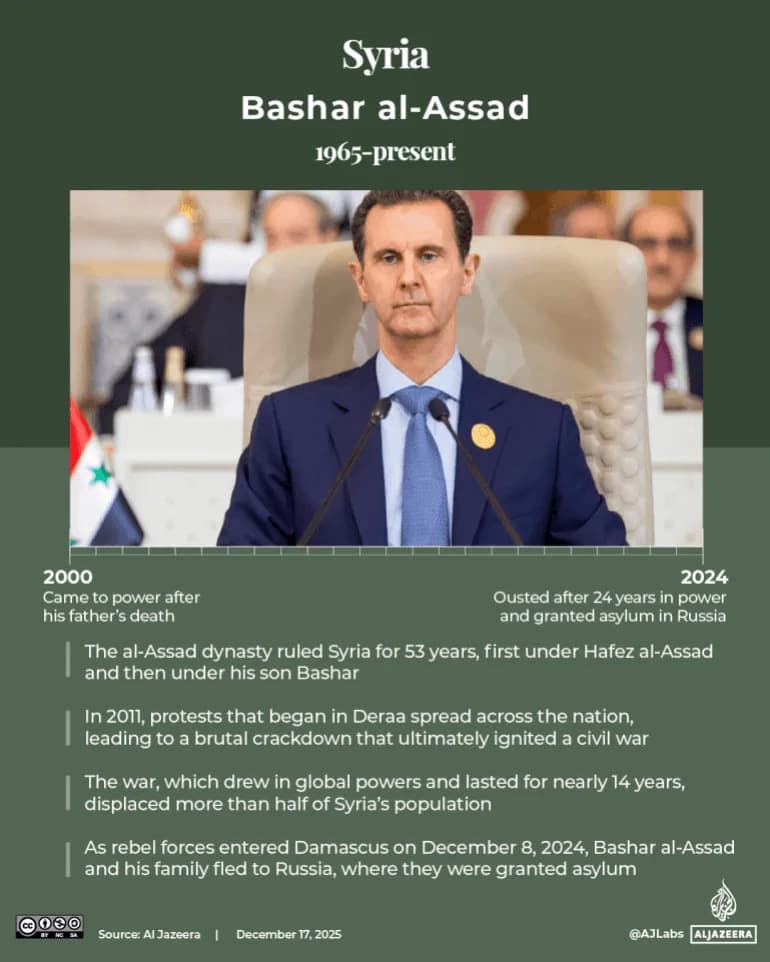
Israel first took control of parts of the Golan Heights after the 1967 war. After the collapse of central authority in Syria, Israel declared the 1974 disengagement agreement void and has expanded its presence by roughly 400 sq km (155 sq miles), according to local accounts.
Interim Syrian officials say they are pursuing diplomatic channels to secure the release of detainees and to reclaim seized land. Jamal Numairi, a member of the People’s Assembly from Quneitra, emphasized government efforts while acknowledging families’ pain.
“The situation is painful for the families and for us as a government,” Numairi said. “To the families, I say: the government will spare no effort to resolve the issue. I consider them kidnapped, not as prisoners.”
But for families of the missing, official statements provide little comfort as they press for immediate action and reliable information about their loved ones.