Documents released by the transparency group Property of the People show that an August 28, 2025 memo circulated among law enforcement quoted material from a private Signal group used by volunteers who monitor federal immigration hearings in Manhattan. The memo, prepared by the FBI’s New York division and shared with other agencies, described participants as "anarchist violent extremist actors."
What the memo says
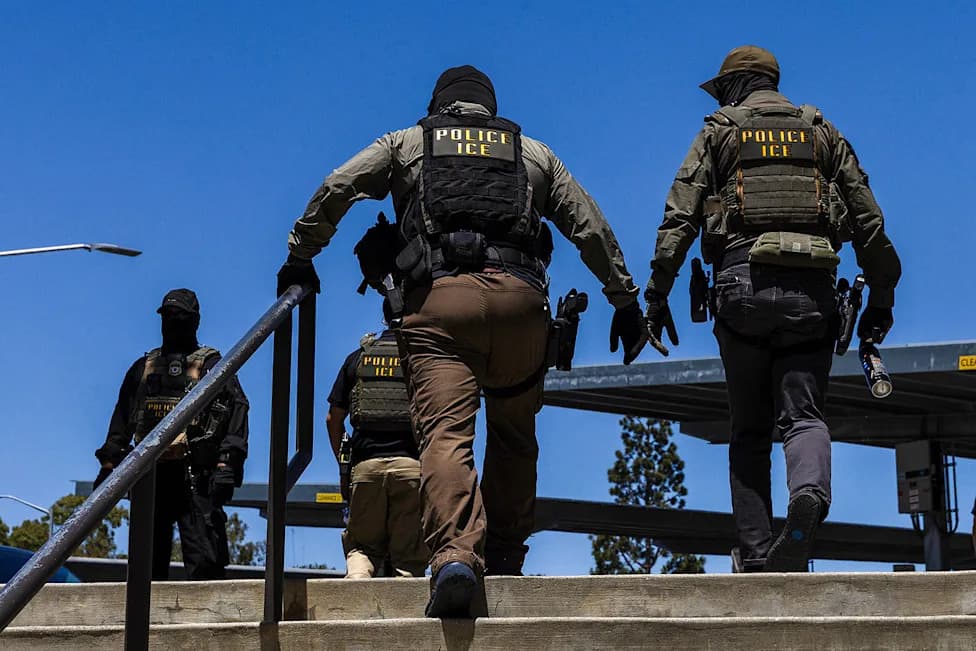
The two-page report quotes portions of a Signal discussion the FBI said took place in "late May" during a debrief held via Signal within the invite-only "courtwatch" chat. According to the memo, participants discussed coordinating observation at three federal immigration court locations—26 Federal Plaza, 201 Varick Street and 290 Broadway—and collecting photos and video of courtroom activity and law enforcement personnel, including badges, faces, names, license plates and facility interiors.
The report also summarized practical tips allegedly shared in the chat about where to go and what to say to gain access to courtrooms, citing example lines such as, "I'm due at a 9:30 hearing." The memo further alleges that the group’s identified creator has previously encouraged violence against law enforcement, but it offered no concrete incidents or evidence to substantiate that claim.
How the FBI may have accessed the chat
Signal uses end-to-end encryption, and messages are typically readable only to participants or anyone with access to a participant’s unlocked device or copies of the messages. The FBI memo does not explain how agents obtained the quoted material; the bureau told recipients the information came from a "sensitive source with excellent access." The agency declined to provide further details when asked.
Reactions and context
Immigrant-rights volunteers and civil liberties advocates say court-watching is a legal, nonviolent practice intended to increase transparency and protect due process for people facing immigration proceedings. New York City Comptroller Brad Lander, who was arrested by Immigration and Customs Enforcement (ICE) while participating in court-watching in June, condemned the memo and compared the surveillance to historical FBI spying on activists.
"Observing immigration court hearings is a legal and non-violent act," Lander said, adding that courtwatch aims to prevent people from being detained without due process.
Ryan Shapiro, executive director of Property of the People, called the FBI characterization of volunteers alarming and warned it could chill civic participation. Spencer Reynolds, a former senior intelligence counsel at DHS who reviewed the memo, said it fits a pattern of treating accountability efforts and expressive activities as security threats and highlighted the risk that covert monitoring can erode trust among activists.
The Department of Justice provided a statement emphasizing efforts to enforce federal immigration law and "restore integrity" to the courts, but did not address specifics of the alleged surveillance. Other agencies named in the memo either declined to comment or did not respond to requests for clarification.
Implications
Observers note that immigration court hearings are public and do not require prior notice to attend. Civil liberties advocates say the unexplained access to a private, encrypted group raises questions about oversight, the standards used to label civic observers as extremists, and safeguards against surveillance abuses.
Without clear evidence cited in the memo, critics say the report's language risks conflating lawful civic oversight with criminal activity and could deter volunteers from documenting courtroom conditions.