The article revisits the 13 November 2015 Paris attacks through the testimony of Arnaud Simonin, who was held as the Bataclan’s last hostage and miraculously survived when attackers detonated suicide vests beside him. It recounts the immediate chaos and the rescue by elite police units, while noting the wider toll of 132 dead across Paris. Survivors describe enduring psychological scars, healing through therapy and solidarity, and ongoing concerns about extremist threats—even as they mark a decade of remembrance and resilience.
“I Was Bathed in Blood”: The Bataclan’s Last Hostage Reflects Ten Years On

Ten years after the attacks, survivors recall trauma, survival and the work of rebuilding
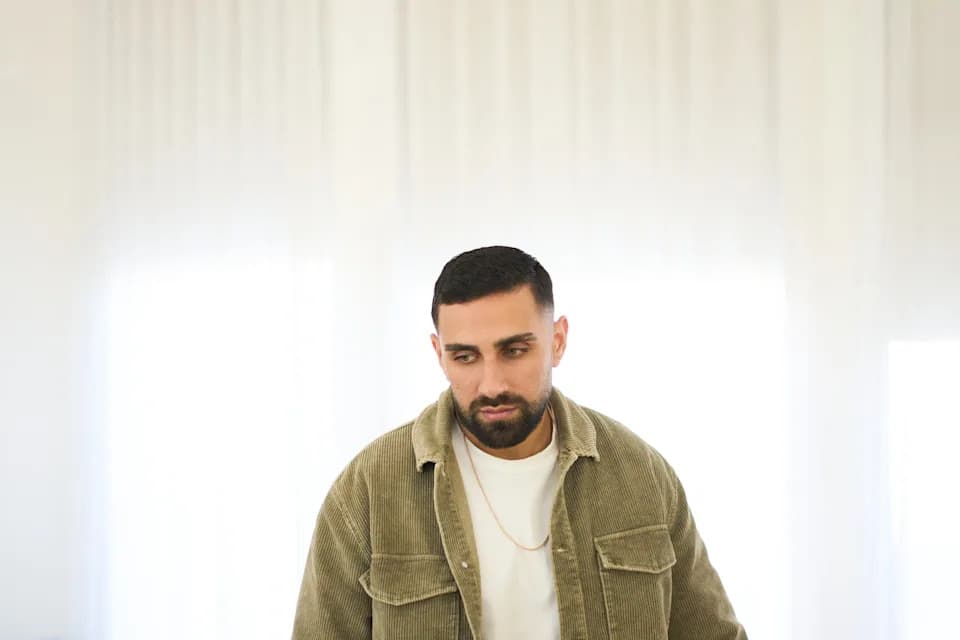
Arnaud Simonin remembers the night vividly: jammed between two attackers inside the Bataclan concert hall as they held him and other hostages for more than two hours, then detonated their suicide vests beside him. Ten years after the coordinated Paris attacks of 13 November 2015, he speaks about the miracle of surviving a blast that left him covered in the attackers’ blood.
“A part of me died that night,” Mr Simonin, now 51, tells The Telegraph from a bar in Paris. He and his wife had been at the venue to see the American rock band Eagles of Death Metal when the first shots rang out. From the balcony they were forced into a narrow service corridor with other concertgoers, then herded into a room and later a stairwell where they became human shields for the attackers.
“I will never forget the eerie swish of bullets as they whizzed past,” Mr Simonin says. “My back was all hot and sticky, and I presumed I’d be dead within 10 minutes.”
At 12:18 a.m., elite RAID and BRI police units breached the Bataclan. In the final, chaotic minute and six seconds of the assault, the three attackers were killed and the hostages rescued. Ninety people were killed at the Bataclan; across Paris that night—at bars, restaurants and the Stade de France—132 people died and many more were injured.
Mr Simonin says he was shocked, deafened and initially unable to move. He believed the blood on him was his until he realized it came from the attackers. He describes a terrible, surreal scene—entrails on the ceiling, blood dripping in gelatinous strands—and a strange, conflicting emotional response.
“I had wanted them dead for the past two and a half hours, and I can’t deny it felt good to be bathed in my executioner’s blood,” he says. “It was a transcendental moment.”
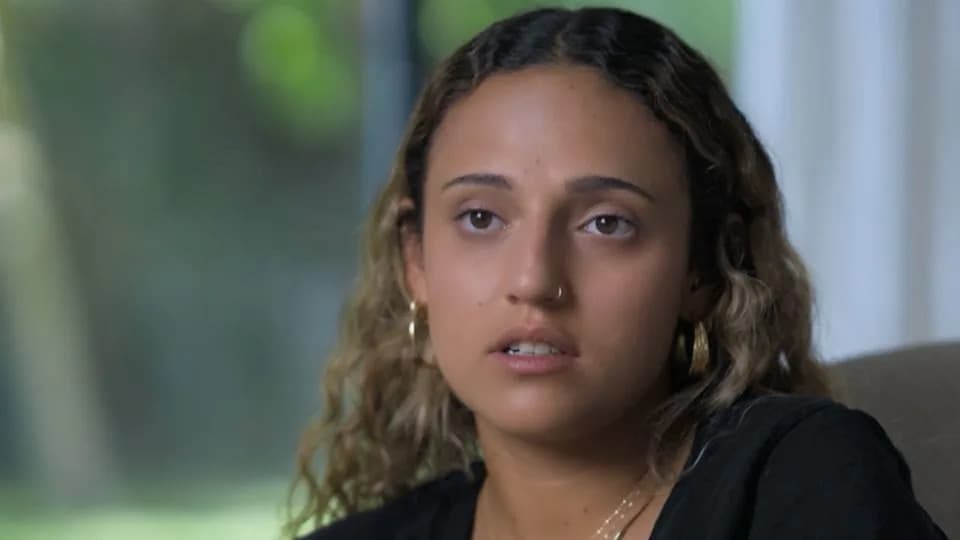
Survivors’ reactions have varied. Sophie Parra, who was shot twice near the stage, says her body healed but the psychological scars remain. She lives with post-traumatic stress disorder and credits EMDR therapy in 2016 with saving her life. Audrey and Yann Lafolie, another couple who survived while pinned beneath bodies, describe a mix of calm detachment during the attack and lingering anger and fear years later.
Elsewhere that night, gunmen struck terraces and restaurants. Grégory Reibenberg, owner of La Belle Equipe where 21 people died, found his partner mortally wounded; her last words were to ask him to look after their daughter. Reibenberg later rebuilt the café and reopened it as an act of defiance and remembrance.
The survivors have formed a close-knit group they call the potages—a portmanteau of the French words potes (mates) and otages (hostages)—and meet regularly in a bistro in Les Lilas. Their ordeal inspired a partly fictional television series, Des Vivants (The Living), which has helped some participants create distance from the trauma and reclaim their stories.
At the 2022 trial, survivors confronted defendants including Salah Abdeslam, the only attacker to survive the night; he received a life sentence without parole. The survivors’ anger has not fully faded—concerns persisted this year when Abdeslam was alleged to have used a USB drive to circulate extremist material in custody, prompting renewed debate over prison security.
Beyond individual cases, survivors worry about evolving terrorist threats in Europe and abroad. French security officials have pointed to the Sahel and other regions as concerning hubs of jihadist activity; authorities say the overall risk of coordinated foreign‑organised multi-site attacks has fluctuated but remains taken seriously.
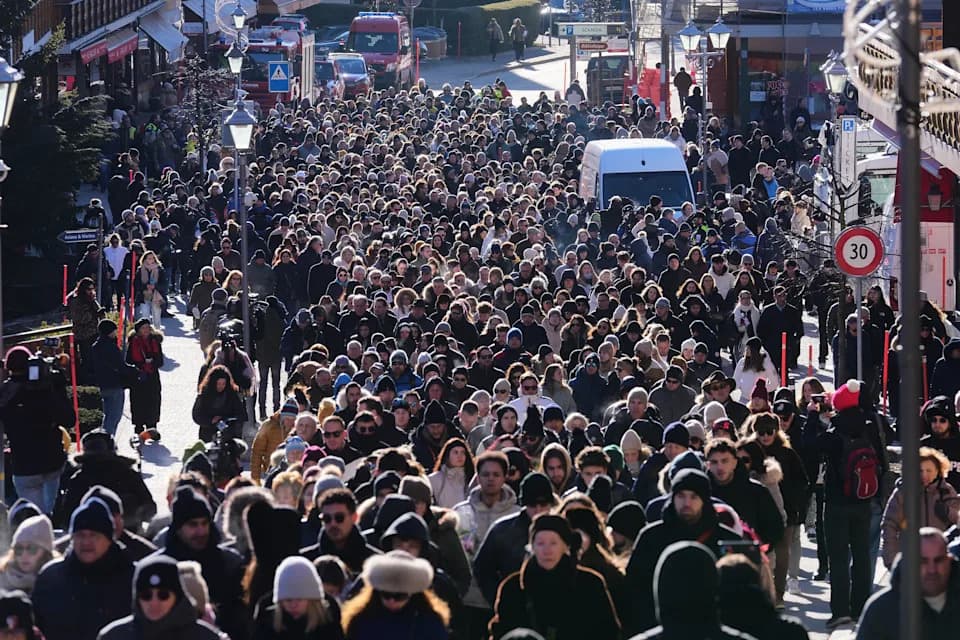
Many survivors have chosen to step back from news coverage and cultivate “protective bubbles.” Still, they remain engaged in commemorations and in efforts to keep the memory of the victims and lessons of the night alive. Ten years on, the Bataclan survivors describe a complicated mix of grief, resilience and determination to live by values they refuse to let their attackers destroy.
Key facts
- Date: 13 November 2015
- Fatalities across Paris: 132 (90 at the Bataclan)
- Hostages rescued from the Bataclan: 12
- Notable aftermath: 2022 trial and life sentence for Salah Abdeslam
Help us improve.