Overview: First-person accounts from kidnapping survivors reveal diverse scenarios — family abductions, ransom plots, opportunistic snatches and sexual assault. Many escapes depended on quick thinking, bystanders, or police intervention, while others relied on captors’ superstition or mistakes. Survivors report persistent psychological effects but also describe recovery strategies: therapy, faith, sober living, and protective safety practices. Practical safety tips and the role of community response are recurring lessons.
Kidnapping Survivors Share Harrowing True Accounts — How They Escaped, Recovered, and What They Want You To Know
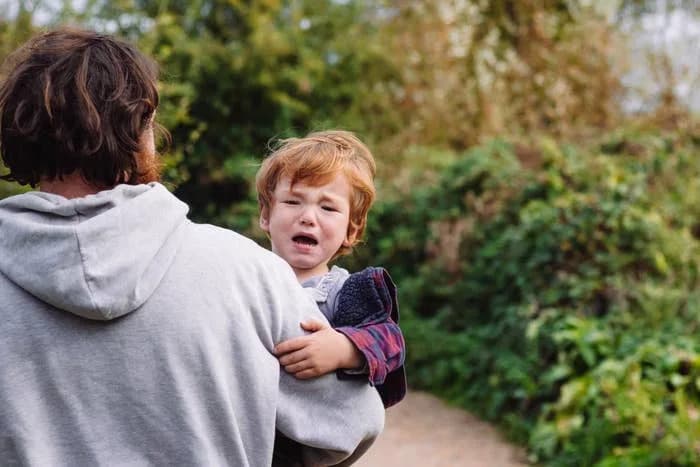
EyeEm Mobile GmbH / Getty Images
This collection gathers raw, first-person accounts from people who were kidnapped and later freed. The stories span family abductions, ransom attempts, opportunistic street snatches, and sexual violence — and they illustrate how quick thinking, bystanders, police action, faith and sheer luck shaped the outcomes. Many survivors describe long-term psychological effects and recovery strategies, and several offer practical safety advice born of experience.
What Happened: Patterns and Scenes
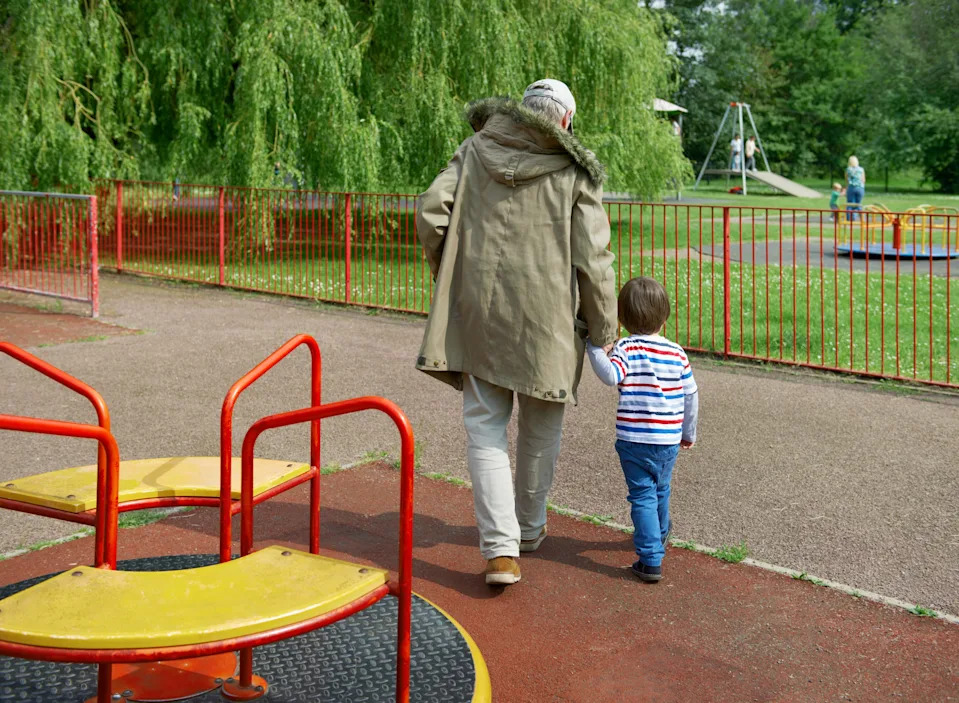
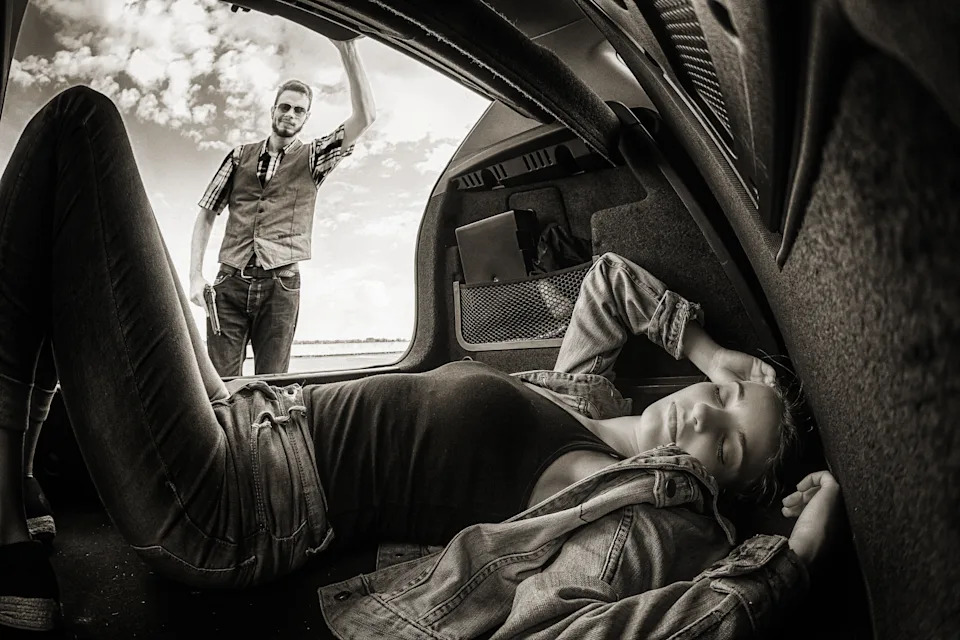
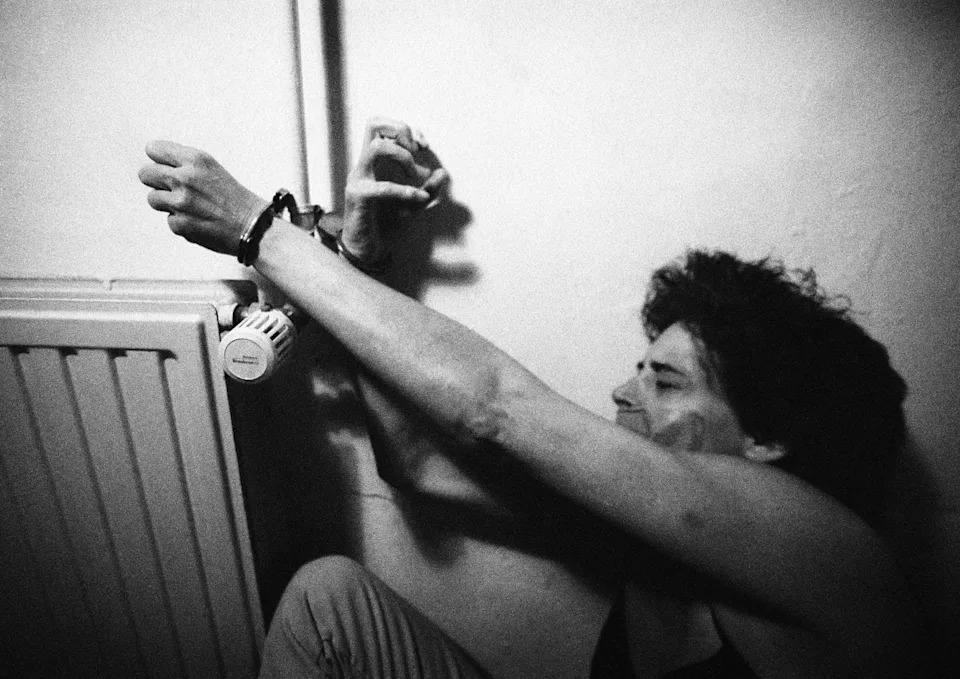
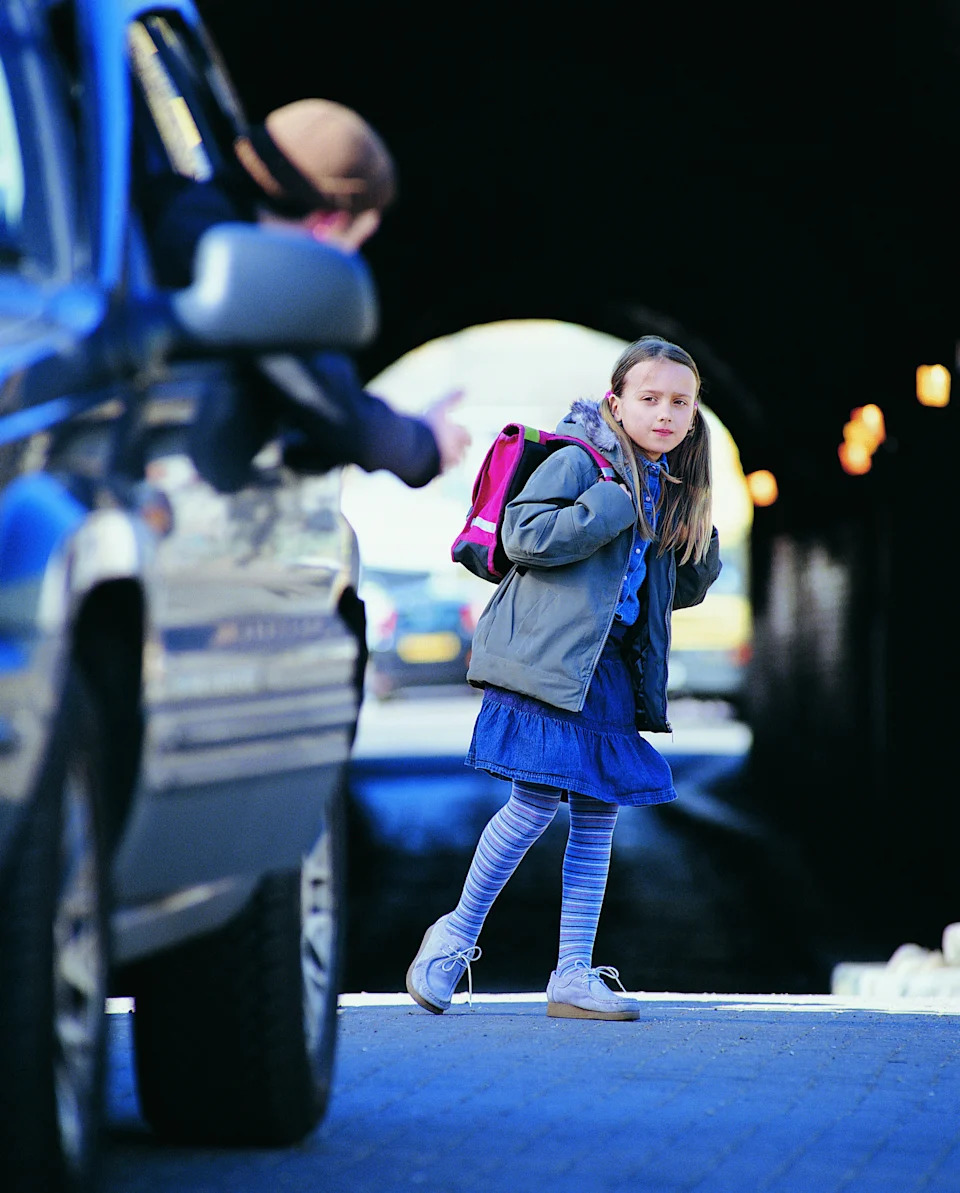
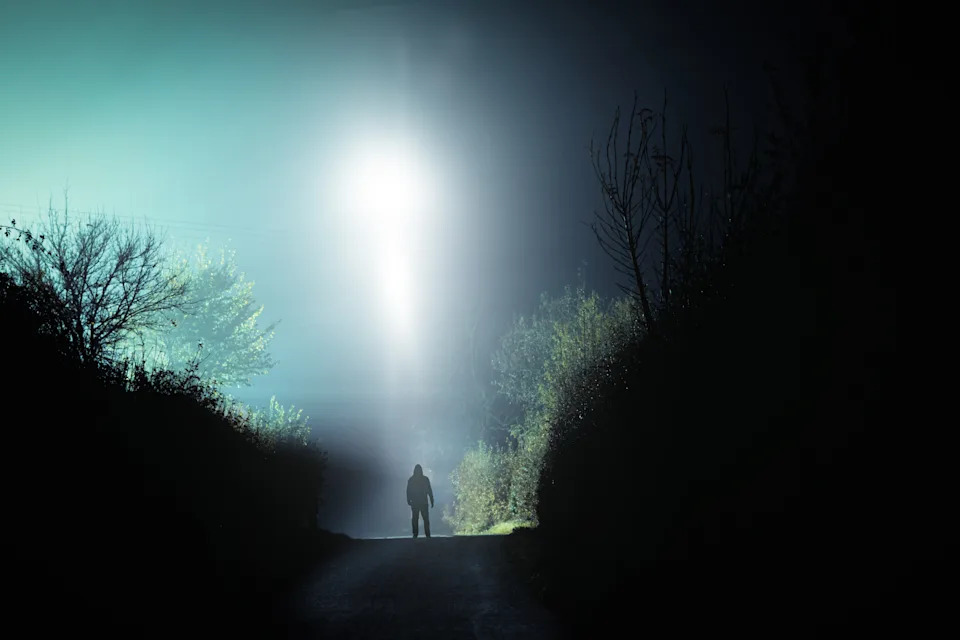
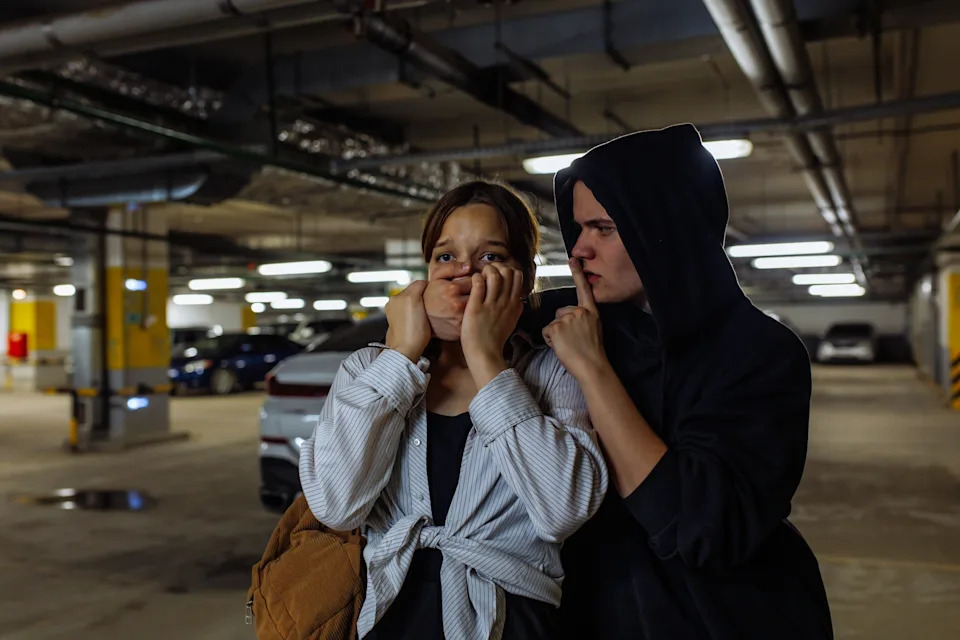
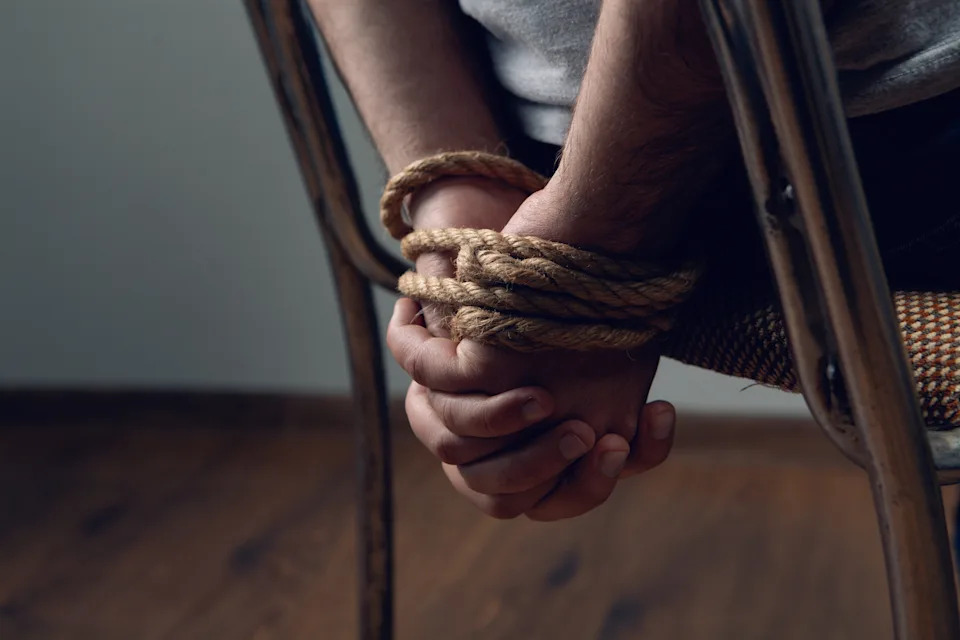
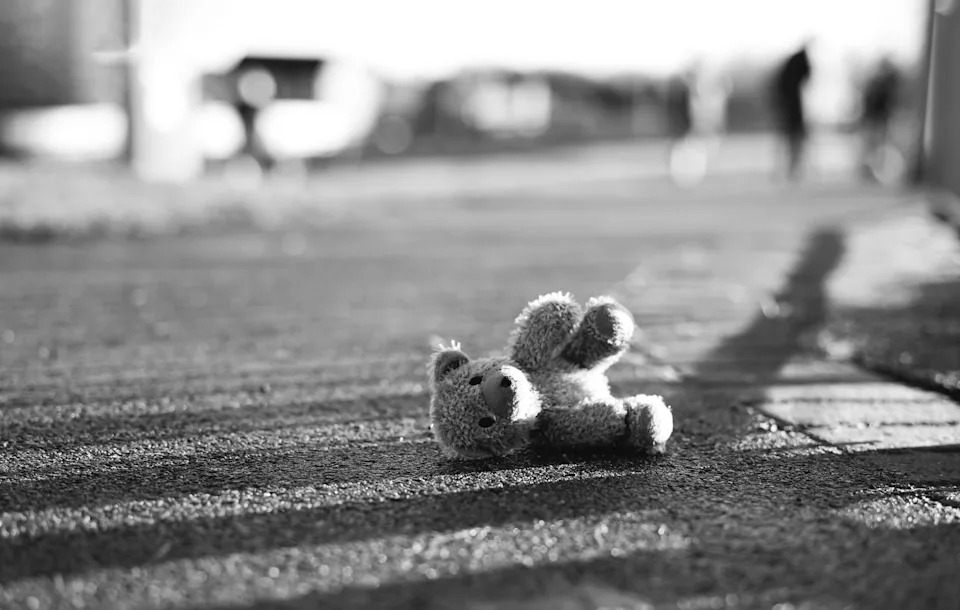
The submissions describe a broad range of scenarios: children hidden by a parent to deprive the other parent of custody; opportunistic snatchings at markets, parties or street stalls; organized ransom kidnappings that moved victims between safe houses; and violent sexual assaults in remote areas or vehicles. Some captors relied on threats, sedation, restraints, or weapons to control their victims; others tried to rationalize their actions or manipulate victims emotionally.
"They asked for 25,000 rupees… I kicked out the van's side window and jumped onto the road. By 4 a.m. the police had caught them." —Arun M.
How People Got Free
Several rescues came from rapid police intervention after witnesses or family raised the alarm. In other cases, survivors escaped through split-second opportunities: breaking a window, forcing a handbrake, slipping away while captors were distracted, or being released after captors decided a quick ransom was preferable to prolonged detention. Bystanders and other victims also helped in multiple incidents — a neighbor, another woman at a party, and a stranger who called a taxi all changed outcomes.
"A woman ran into the foosball room, grabbed my boyfriend, and told him some guy had just carried me out of the house…We called the police; they said no crime had been committed. I became hypersensitive to exits and always carried change and a phone tracker." —K.M.S.
Aftermath And Lasting Effects
Survivors report a wide range of long-term consequences: chronic anxiety, insomnia, relationship difficulties, hypervigilance, substance use, and prolonged therapy. Others rebuilt their lives through faith, counseling, sobriety, meditation, and strong support networks. Some survivors became intensely protective parents and changed daily routines — installing trackers and cameras, teaching kids safety passwords, or avoiding risky situations.
Practical Advice From People Who Lived It
- Cooperate if compliance increases your chance of survival; money can be replaced, life cannot.
- Look for narrow escape opportunities (windows, distracted captors, public areas) and plan exits in your head.
- Use personal safety tools: phone trackers, panic buttons, spare change, and mapped exits at venues.
- Tell someone your plans when traveling alone; avoid getting into enclosed vehicles with strangers.
- Seek long-term support: therapy, peer groups, and trusted friends or family for emotional recovery.
Why These Stories Matter
Collectively, these accounts illuminate common themes: the role of chance and quick thinking in survival, the importance of bystanders and law enforcement, and the deep — sometimes hidden — toll captivity takes on mental health. They also show resilience: many survivors find ways to heal and to protect others by sharing hard-earned lessons.
Note: Several accounts include references to sexual violence, family abuse and addiction. Reader discretion is advised.
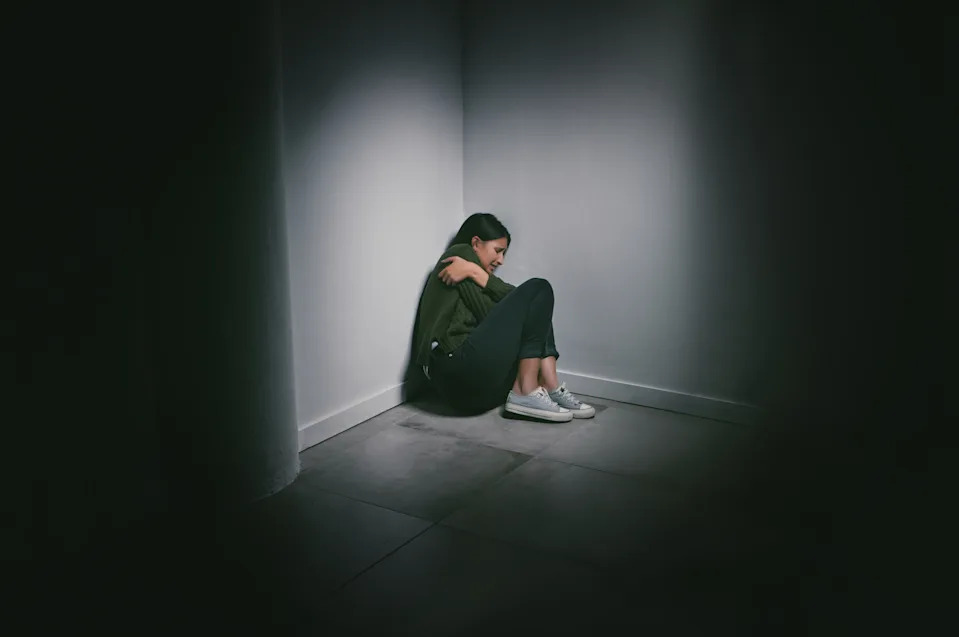
PeopleImages / Getty Images
Peter Dazeley / Getty Images
Zpagistock / Getty Images
Laurent Hamels / Getty Images/PhotoAlto
Flying Colours Ltd / Getty Images
David Wall / Getty Images
Iuliia Burmistrova / Getty Images
Juleta Martirosyan / Getty Images

D-Keine / Getty Images/iStockphoto
Annandistock / Getty Images
Mrs / Getty Images
Help us improve.