Accessory dwelling units (ADUs) are gaining traction as a partial response to U.S. rental shortages, especially in California where roughly one in four new structures last year was an ADU. New York’s City of Yes anticipates about 25,000 ADUs among 80,000 new units over 15 years, but the city still faces an estimated shortfall of around 700,000 homes over the next decade. High per-unit costs ($200,000–$550,000), limited funding and homeowners’ priorities mean ADUs will help but are unlikely to solve housing shortages alone.
NYC Bets on ADUs — High Costs and Limited Funding Curb Their Housing Promise
NYC Bets on ADUs, but Costs Limit Their Housing Impact
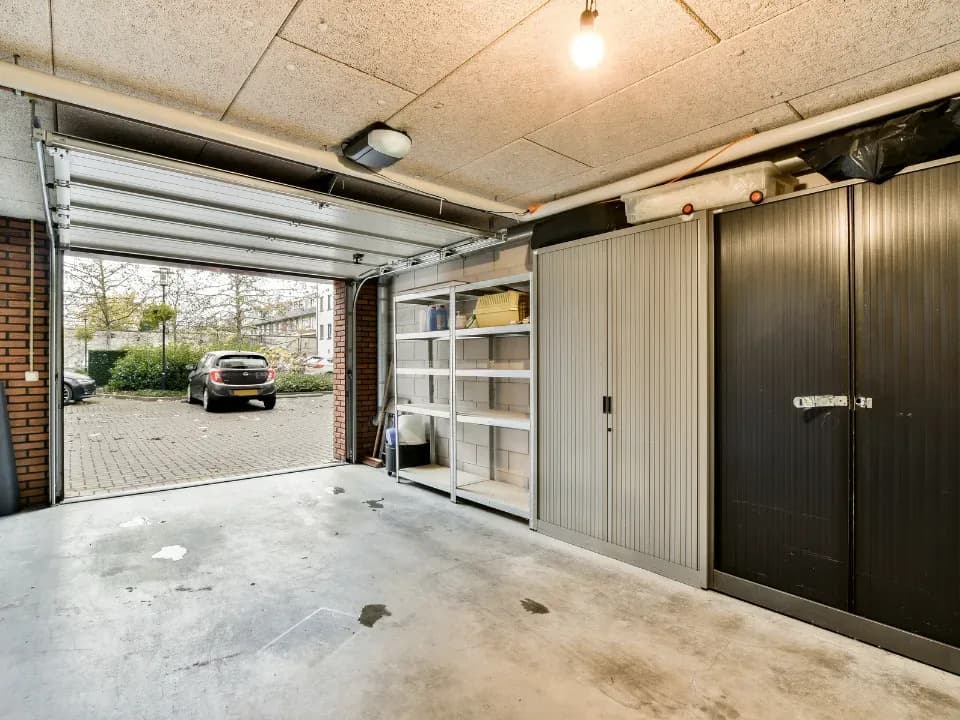
Cities across the United States are increasingly turning to accessory dwelling units (ADUs) — converted attics, garages and basements or standalone backyard cottages — to help relieve rental shortages. While ADUs are gaining traction, high construction costs, limited financing and homeowner priorities mean they are likely to be a partial solution rather than a panacea for housing shortfalls.
The Upsurge: Where ADUs Are Growing
California led the recent surge: the State Department of Finance reports roughly one in four new housing structures built last year was an ADU. In Los Angeles and San Francisco, Cotality data show more ADU permits issued than for all other housing types combined. Lawmakers in Arizona and Washington have relaxed rules to expand ADU construction, and Congress has approved grants supporting preapproved housing designs that include ADUs.
New York’s Ambitious But Limited Role
Under the City of Yes plan, New York City projects roughly 25,000 ADUs as part of 80,000 new units over 15 years. That projection, however, sits against a much larger estimated need: city planners put the shortfall at about 700,000 units over the next decade. Since ADU rules were relaxed in 2024, hundreds of permit applications have arrived — more than half from Queens.
Costs, Financing and Examples
High per-unit costs are the biggest constraint. Typical estimates range from about $200,000 to $550,000 per ADU, depending on design and location. A Queens homeowner received a $200,000 quote to convert a garage into a studio that might rent for $1,000–$1,200 per month. Reform Architecture’s preapproved design lists roughly $550,000 for 400 square feet of living space.
In Southern California, an Irvine homeowner paid $308,000 for a prefab cottage plus $17,000 in site work, now renting it for $3,000 a month while paying about $1,600 monthly on the loan. Still, UCLA researchers such as Michael Lens expect most owners to build ADUs primarily for family use rather than as income properties.
Pilot Programs, Demand and Capacity
New York’s pilot program offering loans and grants of up to $395,000 drew more than 2,800 applications in 2025 but is currently funded to help only about 25 homeowners a year. Advocates say every added unit helps — Open New York’s Annemarie Gray points to long lines at apartment showings as evidence of demand — but a few thousand ADUs are unlikely to move citywide rents much where prices are near record highs in parts of the city.
Policy, Process Improvements and Limits
Policy experts at Pew caution that ADUs are one ingredient in a broader housing strategy rather than a full solution. The New York City Department of Buildings is speeding permitting, publishing guides with preapproved designs and exploring the use of artificial intelligence to accelerate reviews. Developers such as Wil Fisher of Unit Two Development estimate theoretical potential well into six figures for ADUs in New York, but acknowledge that high costs will slow adoption.
Bottom line: ADUs can help add modest, distributed housing supply and offer flexible living options, but without significant cost reductions, expanded financing and broader production scale, they will not close major urban housing gaps on their own.
Help us improve.