The Innovative Housing Showcase on the National Mall highlighted technologies and materials—from 3‑D printed studios and mobile emergency micro‑units to compressed‑earth blocks and modular manufactured homes—aimed at lowering construction cost and carbon emissions. HUD framed the event as part of a post‑legislation push following the 21st Century Road to Housing Act. Industry leaders cautioned that regulatory costs, supply chains and labor shortages complicate adoption, but participants argued scalability and policy support could expand affordable options.
From 3D‑Printed Studios to Compressed‑Earth Blocks: Innovators Showcase Cost‑Saving Housing on the National Mall

Housing Innovators Converge on Washington DC to Showcase Cutting-Edge Building Methods
The Innovative Housing Showcase on the National Mall in Washington, D.C., gathered homebuilders, startups and inventors to demonstrate new methods for producing faster, cheaper and lower‑carbon housing.
Policy Push Meets New Technology
The U.S. Department of Housing and Urban Development organized the exhibit days after Congress approved the 21st Century Road to Housing Act, the most significant housing reform package in three decades. HUD leaders framed the event as part of a broader effort to clear barriers so private firms can scale new building approaches.
Industry Challenges
Bill Owens, chairman of the National Association of Home Builders, warned that regulatory burdens—and their cumulative costs—remain a major obstacle. NAHB estimates regulatory requirements add roughly $131,000 to the price of a newly built home, on top of supply chain disruptions, rising materials costs, labor shortages, local opposition to development and climate‑driven disasters.
"It's not one policy, it's not one issue," Owens said. "If we look at the composite of what keeps housing so expensive right now, it's sort of death by a thousand cuts."
What Was On Display
Exhibitors presented a range of promising approaches aimed at lowering costs and speeding construction:
Mobile Emergency Micro‑Units
Uplift, an Austin startup, recently closed a $7 million seed round led by Andreessen Horowitz and launched compact, transportable emergency micro‑units. Co‑founder Charlie Nitschelm — a former SpaceX engineer — said the units include plug‑in power and water connections, self‑leveling feet and integrated truck straps; two or three can fit on a flatbed truck. The company reported its first sale this month.
3‑D Printed Homes From Recycled Plastic
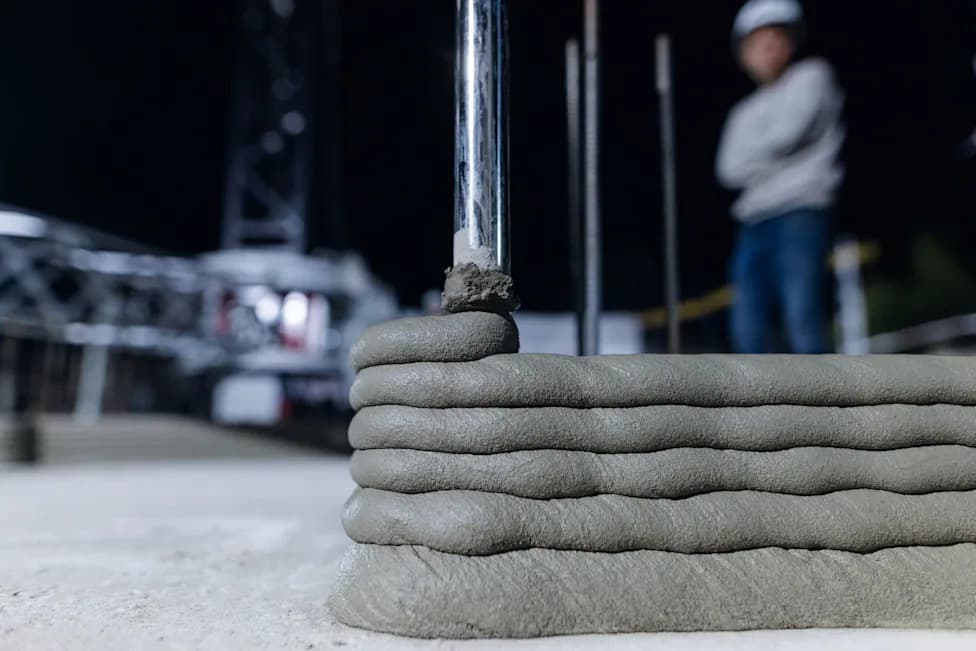
Azure Printed Homes of Gardena, California, demonstrated 3‑D printing of homes using recycled plastic. TIME named the company one of the best inventions of 2025. Azure showed the X_180, a 180‑square‑foot transportable "studio on the move" that can be printed in hours and starts at about $69,900. These units are marketed both to 'glampers' and as accessory dwelling units (ADUs).
Compressed‑Earth Blocks
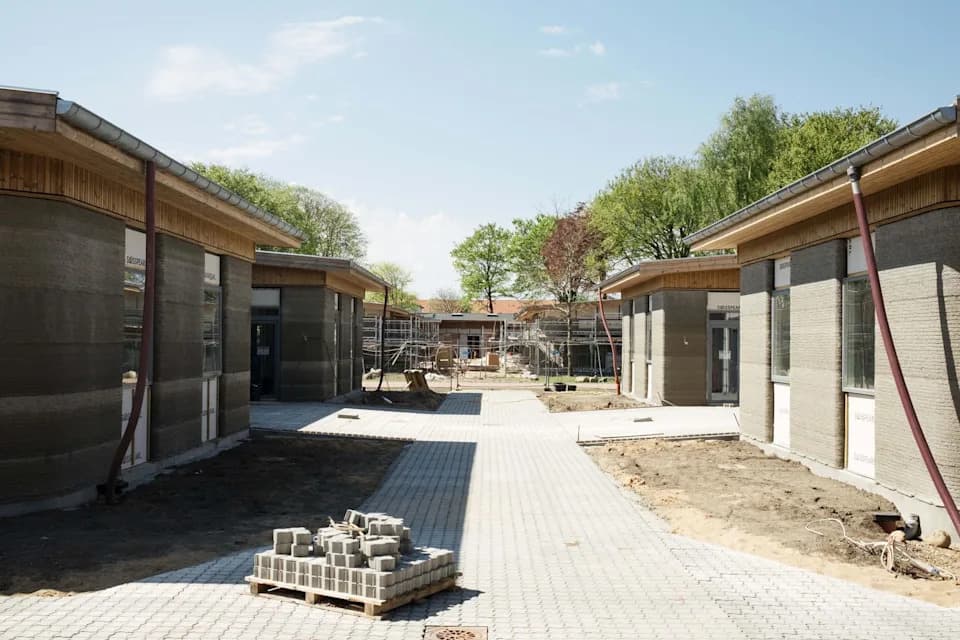
Civic Saint, founded by Godfrey Riddle in Kansas City, showcased compressed‑earth blocks made from local clay. The technique—rooted in ancient building practices—produces on‑site bricks that the company says reduce CO2 emissions by roughly 70% versus conventional construction. Civic Saint plans to reveal a test home next May.
Manufactured And Modular Models
Cavco Industries displayed "Grande Arbor," a 1,250‑square‑foot, two‑bedroom manufactured home notably built without a steel chassis—a change enabled by recent legislation that could lower costs for affordable housing. In Rolling Hills Estates (Carlisle, PA), a model listed at $139,000 with $571 monthly lot rent was highlighted as a far more attainable price point compared with median home prices north of $400,000.
The Structural Building Components Association (SBCA) exhibited a "big green house," a two‑story duplex assembled rapidly from prefabricated components—an approach that could scale further if proposed HUD code updates are adopted.
Adoption Hurdles
Sean Shields, director of Strategic Partnerships at the SBCA, stressed that construction is conservative by necessity: many stakeholders are affected whenever a new approach is introduced. Contractors typically require clear, demonstrable time and cost savings before changing methods—an adoption pattern seen historically with innovations such as roof and floor truss plates.
"Innovation in the housing industry is very difficult," Shields said. "Anything that moves the needle needs to be scalable."
What Comes Next
Speakers and exhibitors emphasized that policy reforms, investment and on‑site demonstrations are all necessary to bring these technologies into widespread use. HUD Secretary Scott Turner summed up the department's stance on the Mall: "The private sector is the real engine of innovation. We want to get out of the way."
Bottom line: The showcase highlighted a mix of near‑term, practical solutions (manufactured and modular homes) and emergent technologies (3‑D printing, compressed‑earth construction) that together could expand affordable housing options—if scalable business models and supportive policies align.
Help us improve.