Several states and counties now offer grants, fee waivers and loan supports to help homeowners build accessory dwelling units (ADUs), which commonly cost $100,000–$300,000 to construct. Programs vary: Massachusetts pays up to $500 for feasibility studies, Maui offers grants up to $100,000, Vermont supports projects up to $50,000, Colorado set aside $5M for jurisdiction grants plus $8M for financing supports, and New York’s Plus One program can award up to $395,000. California’s previously funded ADU program had exhausted its funds by 2026. Prospective applicants should verify eligibility, local zoning and application windows.
States Offering Grants and Incentives to Help Homeowners Build Backyard Tiny Homes (ADUs)
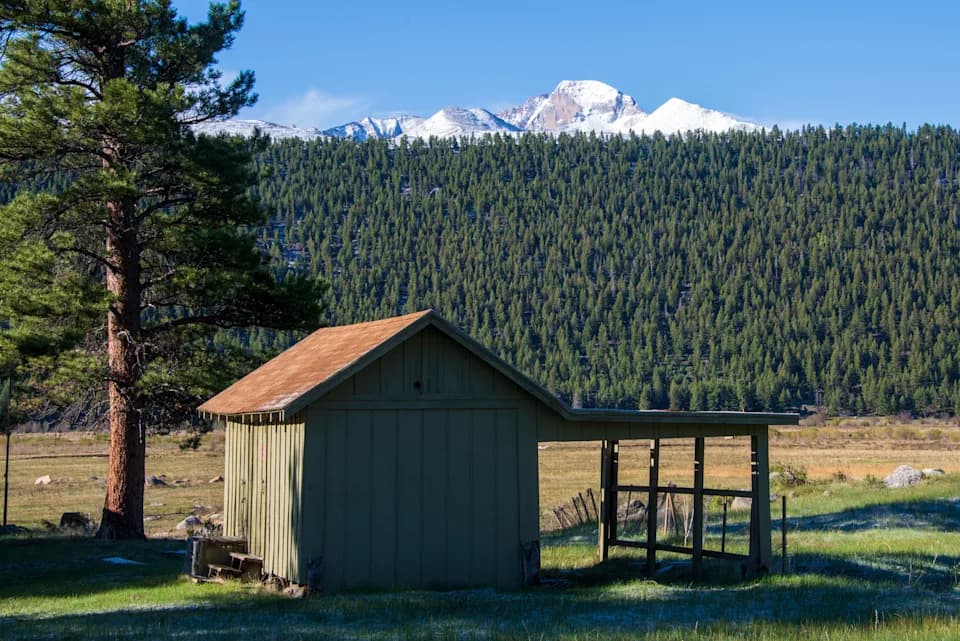
A tiny home in Colorado.Ray Wise/Getty Images
Building an accessory dwelling unit (ADU)—a small, independent housing unit on the same property as a single-family home—can be an effective way to add rental income, multigenerational space, or affordable housing supply. But up-front costs, permits and site work often put ADUs out of reach for many homeowners. Several states and counties now offer grants, fee waivers and loan supports to lower those barriers. Below is a state-by-state guide to current programs, eligibility and timing.
Colorado: State Grants Plus Financing Supports
In 2024 Colorado passed HB24-1152 to encourage ADU construction and align local codes with the new law. The Colorado Department of Local Affairs (DOLA) administers the Accessory Dwelling Unit Grant Program (ADUG), which provides $5 million to jurisdictions that update codes and deliver ADU assistance. The Colorado Housing and Finance Authority (CHFA) has an $8 million channel for homeowner-facing finance programs, including loans, credit enhancements and interest-rate buydowns.
Who may apply: Local jurisdictions can apply for ADUG funds to support technical assistance for low- and moderate-income homeowners. CHFA programs will target homeowners directly.
Funding: $5 million for ADUG; $8 million for CHFA ADU finance supports.
When to apply: Applications for the third round opened September 28 and close October 23, 2026.

Maui, Hawaii.Brandon Colbert Photography/Getty Images
Agencies: Colorado Department of Local Affairs; Colorado Housing and Finance Authority.
Hawaii: County-Level Grants and Fee Waivers (Maui & Kaua'i)
Maui County’s ʻOhana Assistance program and Kaua'i County’s Affordable Additional Rental Unit (ARU) program provide local financial incentives to expand workforce housing through ADUs.
Who may apply: Owner-occupants with residentially zoned property in the participating counties.
Funding & rules: Maui’s pilot grants may reach up to $100,000 for qualifying homeowners; Kaua'i’s ARU program waives county development and permitting fees and reports combined benefits of nearly $20,000 for certified ARUs. Maui grant recipients must rent at workforce housing rates to full-time Maui residents for at least 10 years. Kaua'i limits ARUs to roughly 800 sq ft, prohibits short-term rentals, and generally requires an extra parking space.
When to apply: Kaua'i accepts applications year-round; contact Maui’s Department of Housing and Human Concerns for the ʻOhana program.
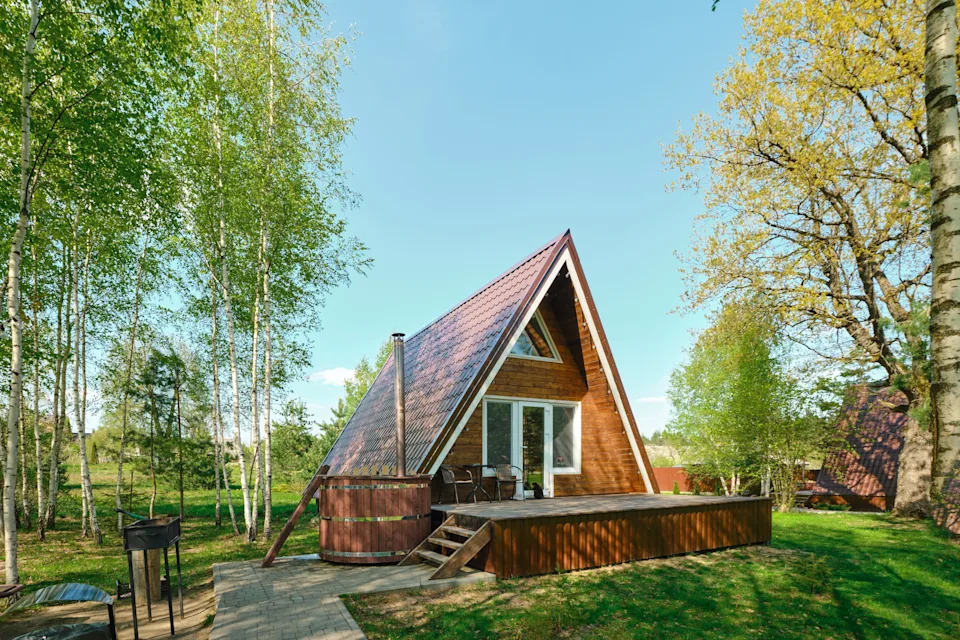
An A-frame tiny home in a backyard.Aleksei Isachenko/Getty Images
Agencies: County of Maui Department of Housing; Kaua'i County Housing Agency.
Massachusetts: Feasibility Study Incentives
Under the Affordable Homes Act, most Massachusetts homeowners (outside Boston) are allowed to build ADUs up to 900 sq ft. The statewide ADU incentive program is in its initial phase and pays approved professionals up to $500 to conduct a feasibility study for a homeowner, helping clarify zoning, utilities, site constraints and budget considerations.
Who may apply: Homeowners in Massachusetts in areas where ADUs are permitted.
Funding: Up to $500 per approved feasibility study (one per household).
When to apply: Program launched July 2026 and remains open.
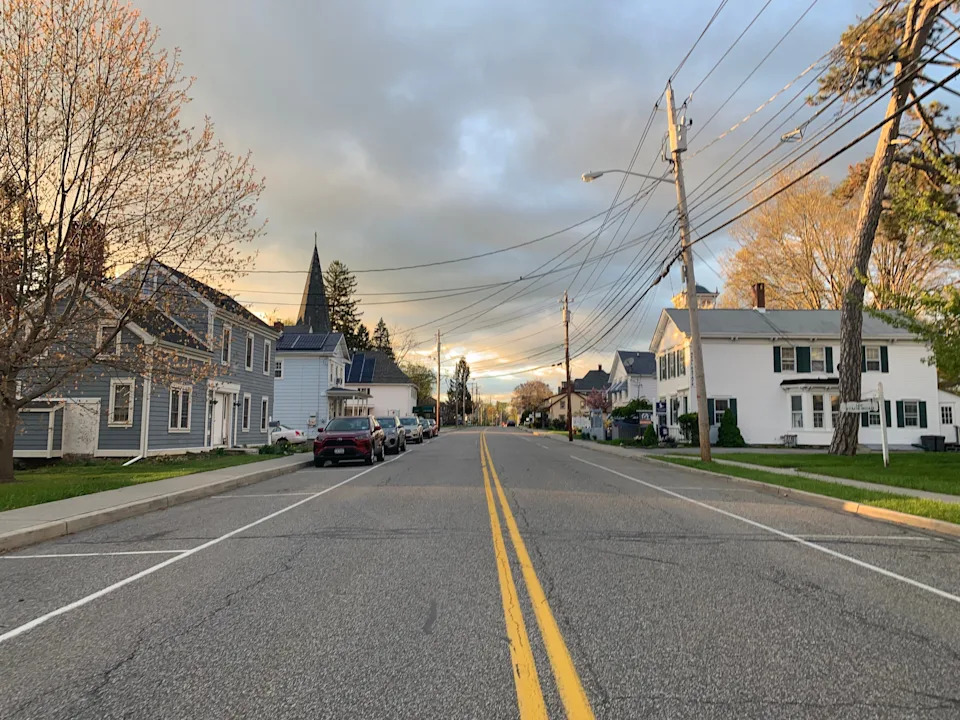
A residential neighborhood in Monroe, New York in the Hudson ValleyKelsey Neubauer/Insider
Agency: Massachusetts Housing Partnership, with the Executive Office for Housing and Livable Communities.
New York: Plus One ADU Program (Large Awards Available)
New York’s Plus One ADU Program (part of the state’s five-year housing plan) offers substantial grants and technical support to build or convert ADUs. The program has awarded nearly $74 million to 85 municipalities and continues to distribute funds.
Who may apply: Municipalities or nonprofit housing organizations partnering with a municipality. Eligible homeowners must earn no more than 120% of area median income.
Funding: Individual awards can be up to $125,000 or $395,000 depending on the project and applicant; funding rounds are administered by New York State Homes and Community Renewal on a rolling basis.
Requirements: Local zoning should explicitly allow ADUs (ideally by resolution). Homeowner recipients typically sign a 10-year restrictive covenant keeping the property as a primary residence and preventing short-term rentals.
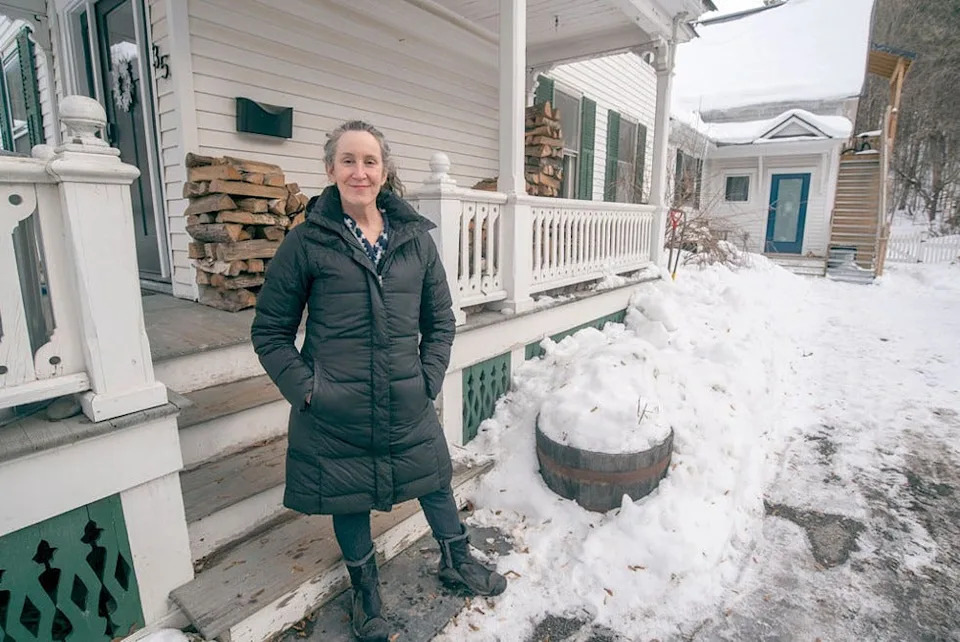
Marni Leiken got a $20,000 grant and a $10,000 no-interest loan to build an apartment over the carriage barn in her backyard. She rents out the apartment, visible in the far right of this photo, to help pay her mortgage.Courtesy of Marni Leiken
Agency: New York State Homes and Community Renewal.
Vermont: Regional Partners Administer Up To $50,000 Per Project
Vermont’s Housing Improvement Program supports vacant-unit rehabilitation, ADUs and new construction through five regional organizations. Homeowners may receive up to $50,000 for ADU projects; both owner-occupants and landlords planning to rent are eligible.
Who may apply: Any Vermont homeowner through one of the regional partners (RuralEdge, Champlain Housing Trust, Cornerstone Housing Partners, Downstreet Housing and Community Development, Windham and Windsor Housing Trust).
Funding: FY2027 allocated $4 million for incentives and administration; application windows are expected in fall 2026.
Requirements: Recipients must follow local ordinances, often match at least 20% of grant funds, complete projects within 18 months, and sign rental covenants or forgivable loans to keep rents at or below HUD Fair Market Rent when required.
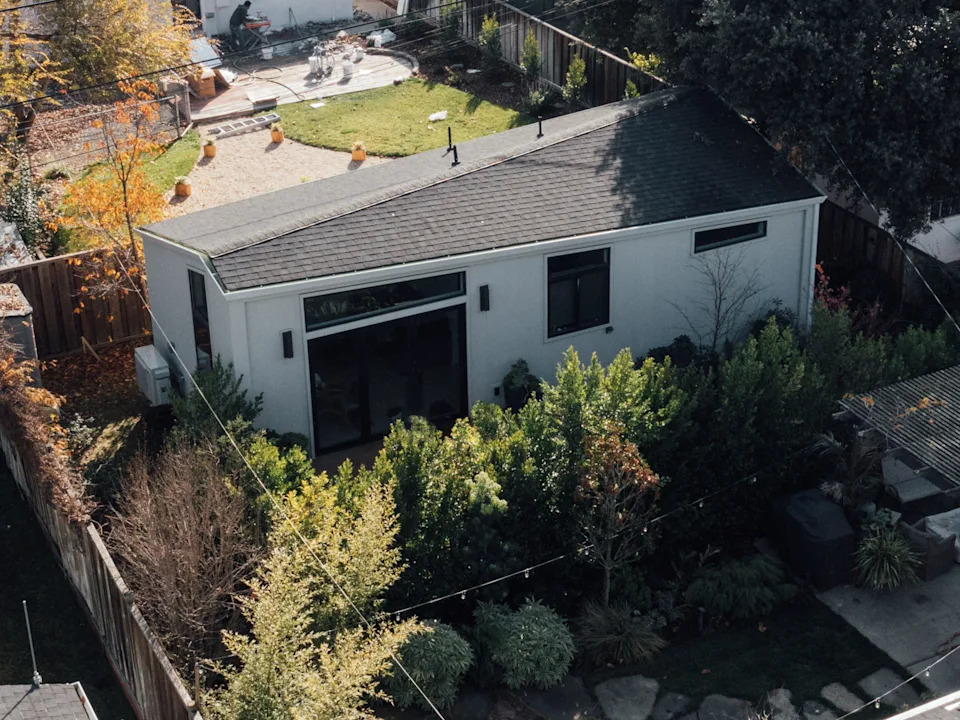
an aerial view of Joyce Higashi's ADUCourtesy of Abodu
Agency: Vermont Agency of Commerce and Community Development (administered via regional partners).
California: Previously Funded Program Now Out of Money
California previously offered up to $40,000 per homeowner for pre-construction ADU costs (design, permitting, soil reports). The program received large initial allocations—$100 million in 2021 plus an additional $25 million for 2023–24—but by 2026 the program had exhausted available funds and is not accepting applications.
Past eligibility: Low- and moderate-income homeowners; program rules allowed a range of ADU types and sizes under certain lot rules.
Agency: California Housing Finance Agency.
What Prospective Applicants Should Know
- Typical ADU construction costs often range from about $100,000 to $300,000 before permits and site work are included.
- Programs differ widely: some fund feasibility studies or technical assistance, others provide large grants or loan supports. Many require local zoning alignment and covenants to preserve affordability or owner-occupancy.
- Funding is limited and in high demand—check administering agencies for application dates, eligibility and documentation requirements.
If you’ve built an ADU or are applying to one of these programs, reporters at Business Insider welcome stories and tips. (Original reporting contact: [email protected].)
Help us improve.