Maria Murillo is building a detached ADU in Great Barrington, Massachusetts, insulated with hempcrete—a mix of hemp core, water and a limestone binder—intended to improve comfort and reduce the project’s carbon footprint. Experts expect her 12-inch hempcrete wall to achieve about R-24, exceeding the local R-20 minimum, and note hemp’s ability to absorb CO2, regulate humidity, and resist fire locally. Murillo financed part of the build with a $160,000 loan from Massachusetts’ new ADU Loan Program, which offers up to $250,000 for detached units at a 5.25% interest rate. She hopes her documented permitting and construction process will make it easier for others to follow similar sustainable ADU projects.
Massachusetts Homeowner Builds Hempcrete-Insulated Backyard ADU With State Loan Support
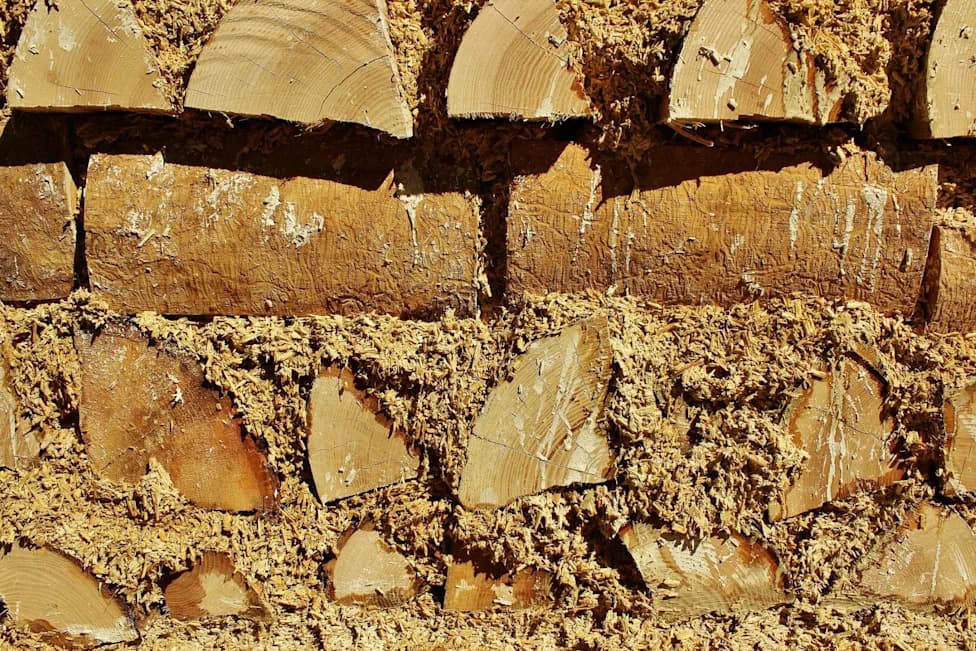
Photo Credit: iStock
A homeowner in Great Barrington, Massachusetts, is constructing a detached accessory dwelling unit (ADU) insulated with hempcrete—a plant-based material that promises better comfort and a smaller carbon footprint than some conventional building products. Maria Murillo is building the unit beside her home and has financed part of the work with a new state-backed ADU loan.
What Is Hempcrete?
Hempcrete is made by combining the woody inner core of industrial hemp with water and a limestone-based binder. It is used as an insulating, non-structural infill in wall assemblies rather than as a replacement for concrete. Murillo chose hempcrete both for its performance and because it aligns with her sustainability values.
Performance and Benefits
Tom Rossmassler, founder of HempStone in Northampton, said Murillo’s 12-inch hempcrete wall is expected to reach about an R-24 insulation rating—higher than Berkshire County’s R-20 minimum for wall cavities. Better insulation can reduce heating demand, cut drafts, and help keep indoor temperatures steadier through New England’s changing seasons.
"This material actually absorbs moisture, water vapor out of the air, and then releases it and balances out the humidity," Rossmassler said. "When it's really wet and cold, it feels colder. And when it's warm and moist, it feels hotter."
That moisture-regulating property can make a compact home more comfortable year-round and may reduce utility costs. Rossmassler also demonstrated hempcrete’s fire resistance in a blowtorch test: only the area directly exposed to flame was damaged, and it was repairable. Additionally, industrial hemp captures carbon dioxide as it grows, which can help offset some emissions associated with manufacturing the finished product.
The Build and Financing
Murillo has been hands-on in the construction, participating in excavation, foundation work, and filling the hempcrete walls. Having learned construction trades through the process, she said the project has personal as well as practical value.
Part of the project was financed through Massachusetts’ Accessory Dwelling Unit Loan Program, launched in March. The program provides low- and moderate-income households up to $250,000 for detached ADUs and up to $150,000 for attached ADUs, with MassHousing issuing loans at a 5.25% interest rate. Murillo said she took a $160,000 loan through the program and believes she was the first applicant; she estimates total project costs of about $250,000, excluding the value of her own labor.
Why This Matters
State officials view ADUs as a tool to expand housing supply. Murillo’s project shows how that effort can intersect with cleaner building methods and community-driven construction. She hopes documenting the permitting and build process will make it easier for others to pursue sustainable ADUs.
Murillo also framed the project in personal terms: she built the unit so her father, who lives in Costa Rica, can visit more easily, and she described the emotional support she received from helpers as reminiscent of communal barn-raisings of the past.
Related Policy Challenges
- Homeowners in some states still face HOA resistance to solar installations.
- Regulatory changes in parts of California have complicated solar adoption for some homeowners.
- Other states, like Colorado, are working to remove barriers for plug-in solar in rentals.
Murillo’s ADU highlights both the promise of small-scale, low-carbon building solutions and the permitting and policy hurdles they can encounter as they scale.
Help us improve.