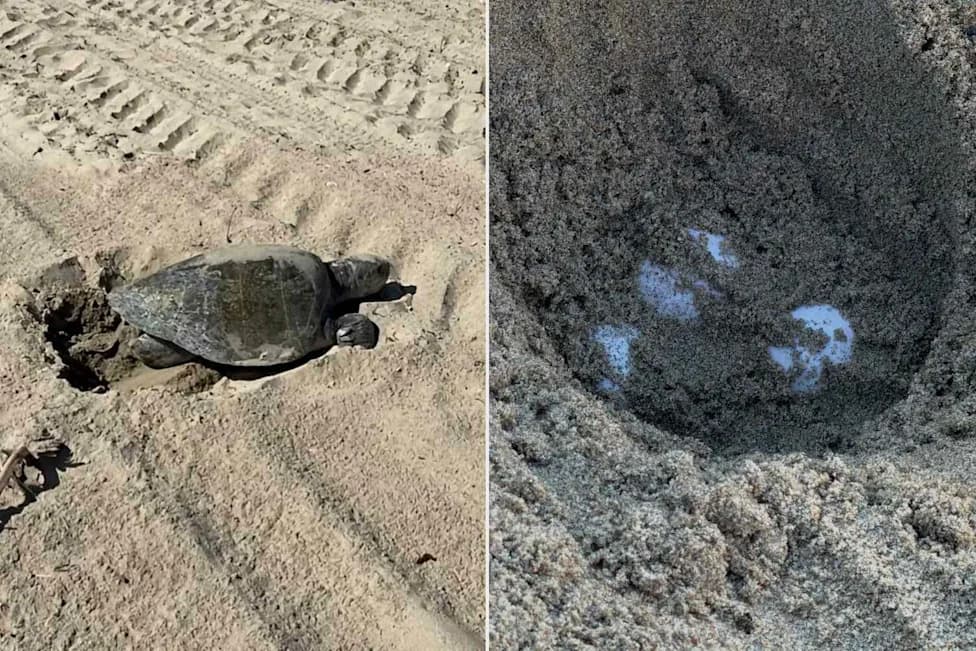
Two olive ridley sea turtles nested on Orange County beaches in September 2026 — the first recorded sea turtle nests on the U.S. West Coast. Biologists excavated both clutches on Sept 25 and moved the eggs to the Aquarium of the Pacific in Long Beach for incubation because approaching tropical storms risked beach erosion. If the eggs hatch (45–60 days) and juveniles survive to maturity, they could return to nest around 2041, potentially initiating a West Coast nesting population. Scientists cite warming seas, a developing 2027 El Niño, the species' migratory habits, and possible navigational error as likely factors.
Historic First: Olive Ridley Sea Turtles Nest on California Beaches as Storms Approach
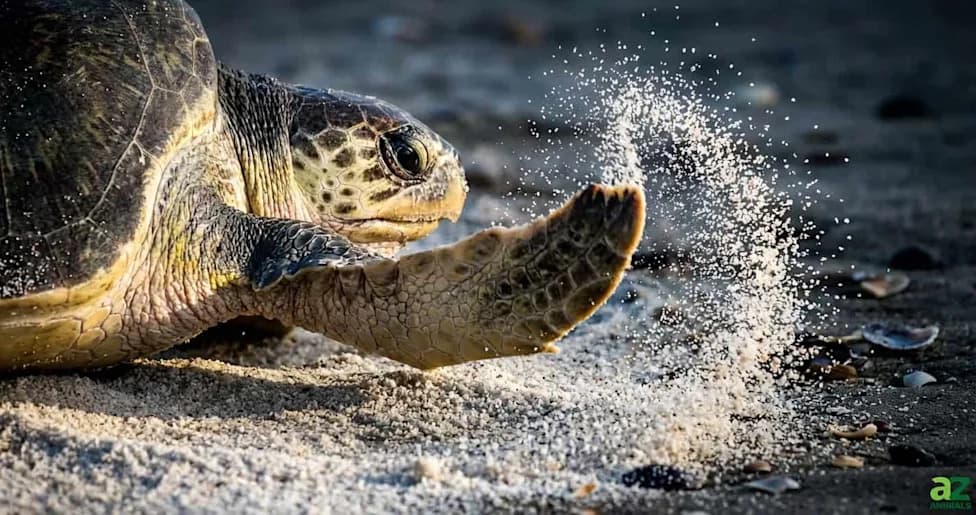
Close-up of a sea turtle on a beach, captured mid-action as it uses its flipper to spray a cloud of sand into the air.© A-Z Animals
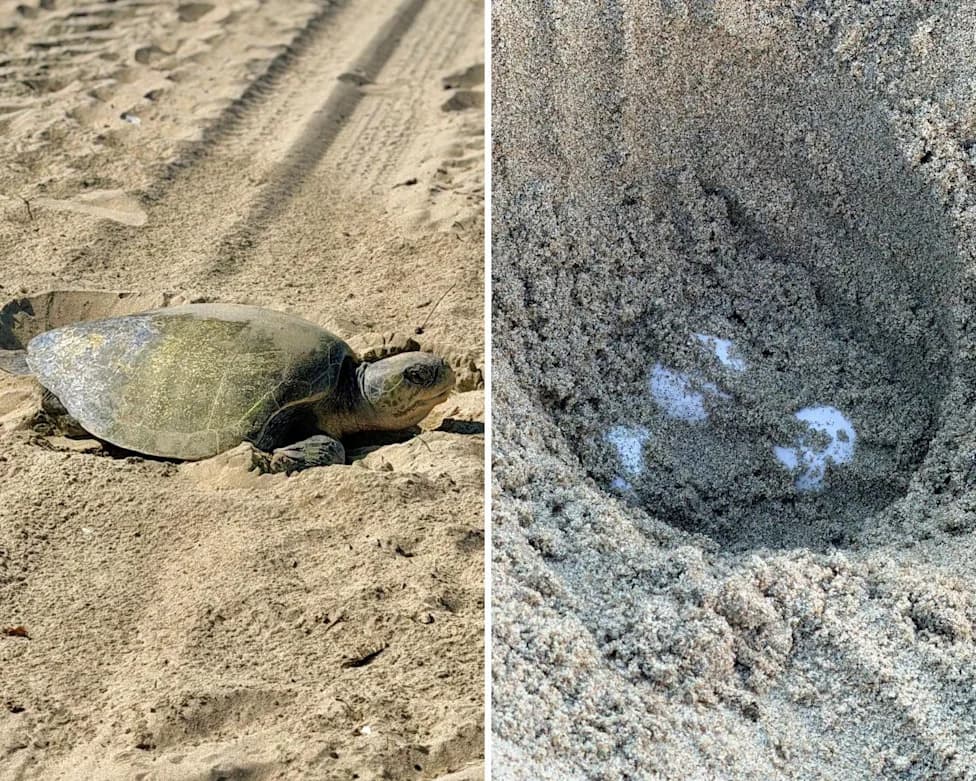
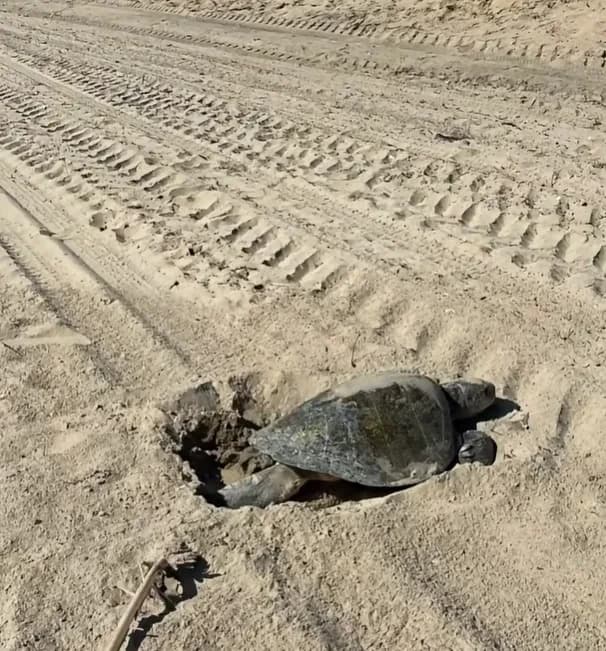
On September 16 and 19, 2026, two olive ridley sea turtles nested on Orange County beaches — the first documented sea turtle nests on the U.S. West Coast. Observed near Seal Beach and the Huntington Beach Pier, these unexpected nestings prompted an urgent, coordinated response when forecasters warned of approaching tropical storms that could erode the nesting sites.
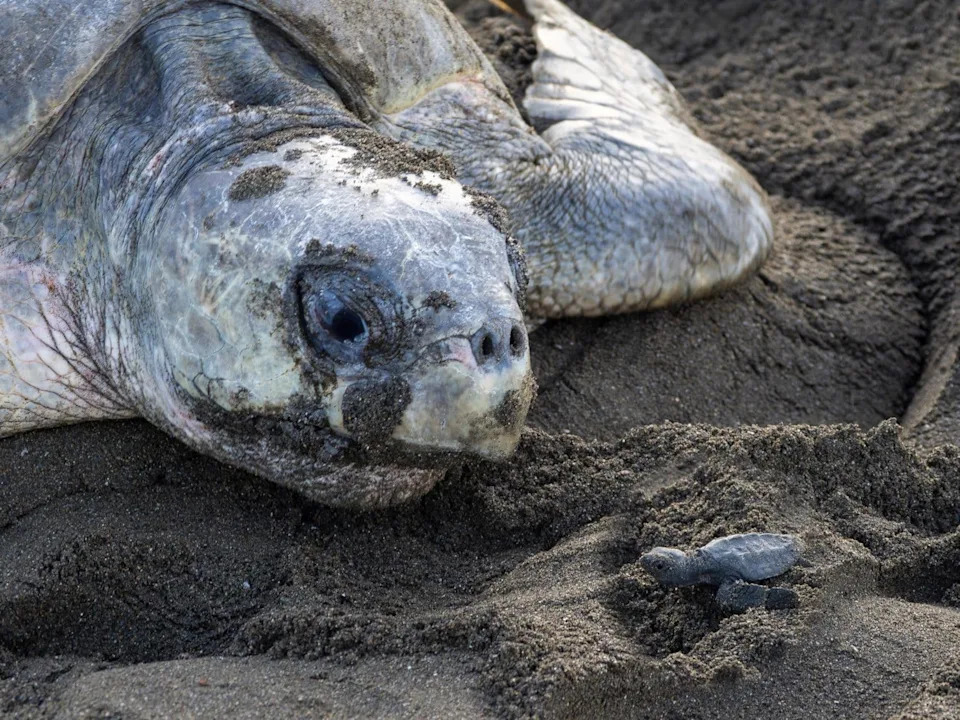
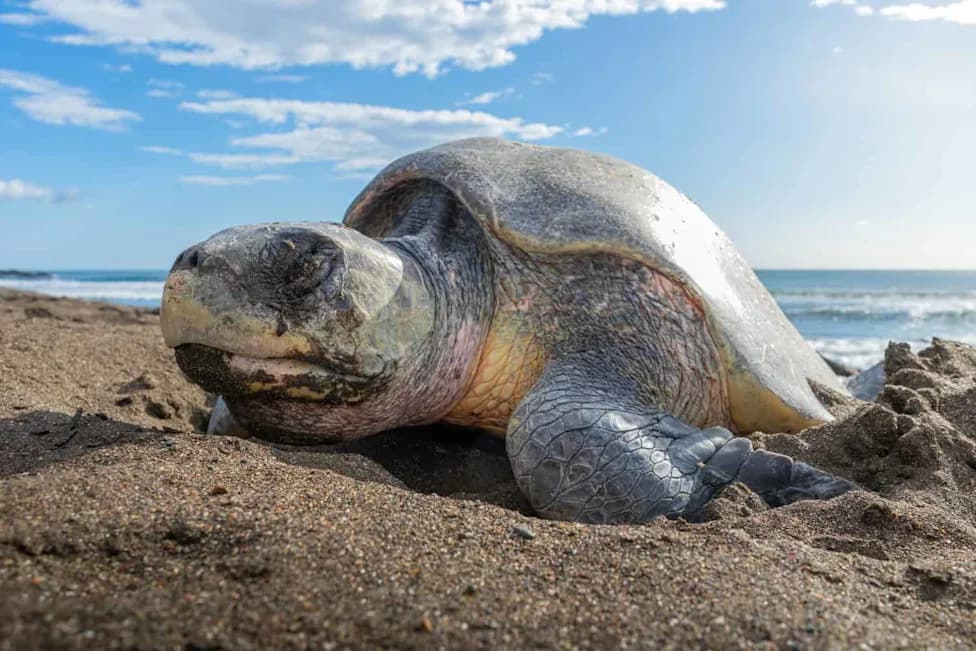
California has never been a habitat for sea turtles, until now.©Scupix/Shutterstock.com
Immediate Action To Protect the Eggs
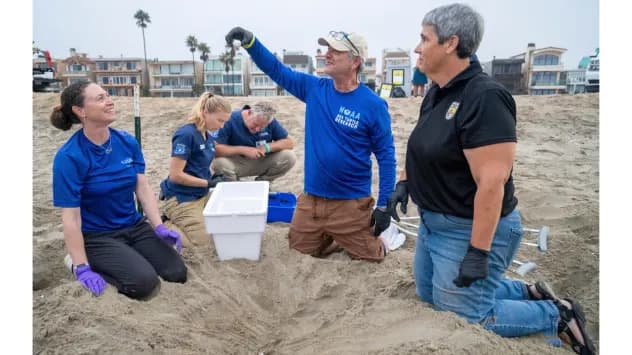
Because models showed a high risk of beach erosion from dangerous surf, federal and state biologists determined the clutches were unlikely to survive in place. On September 25, personnel from multiple agencies carefully excavated both egg clutches and transported them in coolers to the Aquarium of the Pacific in Long Beach, where they are now incubating under professional care.
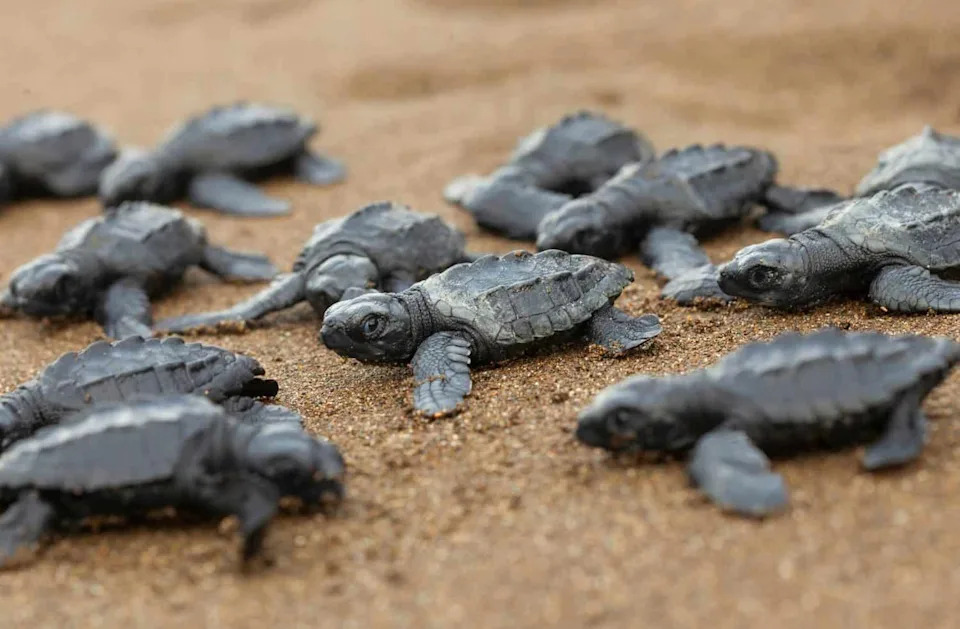
Sea turtles understand where they were born, with adult females often returning to make their own nests.©Memo Ossa/Shutterstock.com
"The science team believed the highest chance of survival for the eggs was to collect them and hatch them under human care," NOAA Fisheries said in its announcement.
Why This Matters
Olive ridley eggs typically require 45 to 60 days to incubate. If the eggs hatch successfully and the hatchlings survive to maturity, those turtles could return to the same beaches to nest — a phenomenon called natal homing. Given typical maturation timelines, hatchlings born in California in 2026 could potentially return as adults around 2041, and over generations might help establish a West Coast nesting population that has never been recorded in U.S. Pacific states.
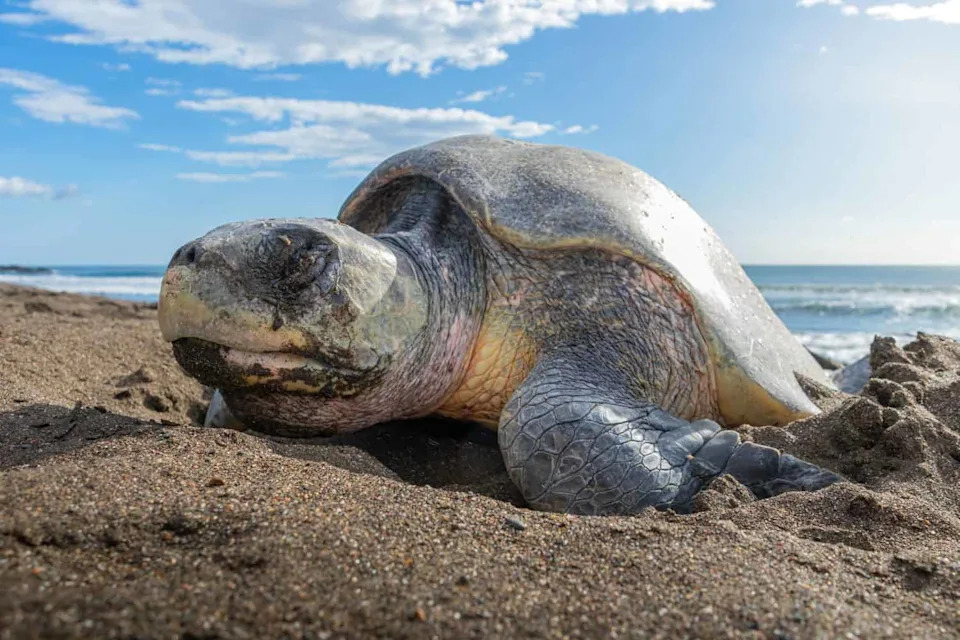
Sea turtles like olive ridleys are migratory, which may be why they're moving further north.©Kevin Venegas Barrantes/Shutterstock.com
What May Have Driven Northward Nesting
Researchers point to several possible factors: persistent marine heatwaves and warming sea surface temperatures along the California coast, a developing El Niño in 2027 expected to raise regional ocean temperatures, the inherently migratory and nomadic behavior of olive ridleys, and the possibility of navigational error. The nearest known olive ridley nesting sites are hundreds of miles to the south on Baja California’s Pacific coast (near Todos Santos and Magdalena Bay), making these California nestings especially notable.
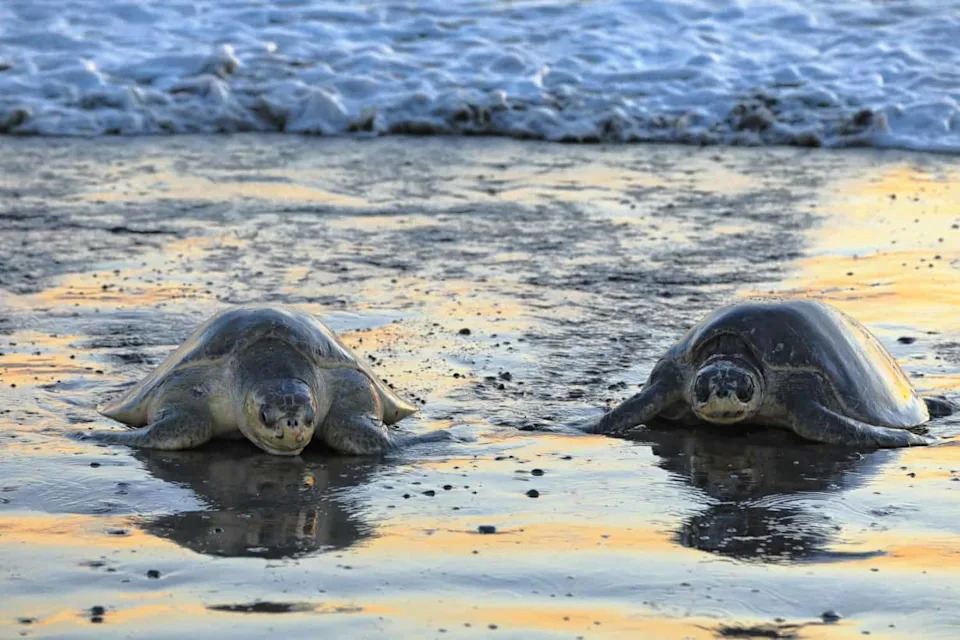
There were indeed two separate female sea turtles laying eggs on California beaches.©Balakate/Shutterstock.com
Scientific Monitoring and Identification
Dr. Cali Turner Tomaszewicz of NOAA's Southwest Fisheries Science Center performed photo-identification analyses comparing body shape, barnacle placement, and scute patterns (the unique scale arrangement on the shell) and confirmed the two nesters were distinct individuals. Teams have continued to monitor the area for any additional nesting activity: olive ridleys typically nest two to three times per season, about two weeks apart in the same general area.

Long Beach has an aquarium that is currently incubating the baby sea turtles.©Larry Gibson/Shutterstock.com
Who Responded
The response involved NOAA Fisheries, U.S. Fish and Wildlife Service, California Department of Fish and Wildlife, the Aquarium of the Pacific, the U.S. Navy, Bolsa Chica Ecological Reserve, California State University Long Beach, the Cities of Huntington Beach and Seal Beach, Surfside Colony Community Organization, and local volunteers. Both nest sites were roped off and patrolled while signs informed the public about the protected animals.
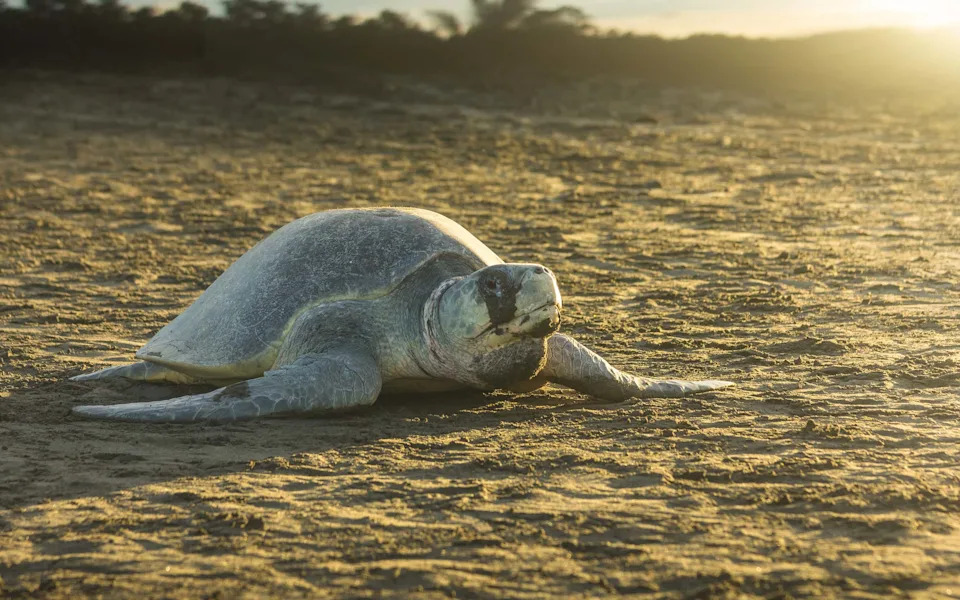
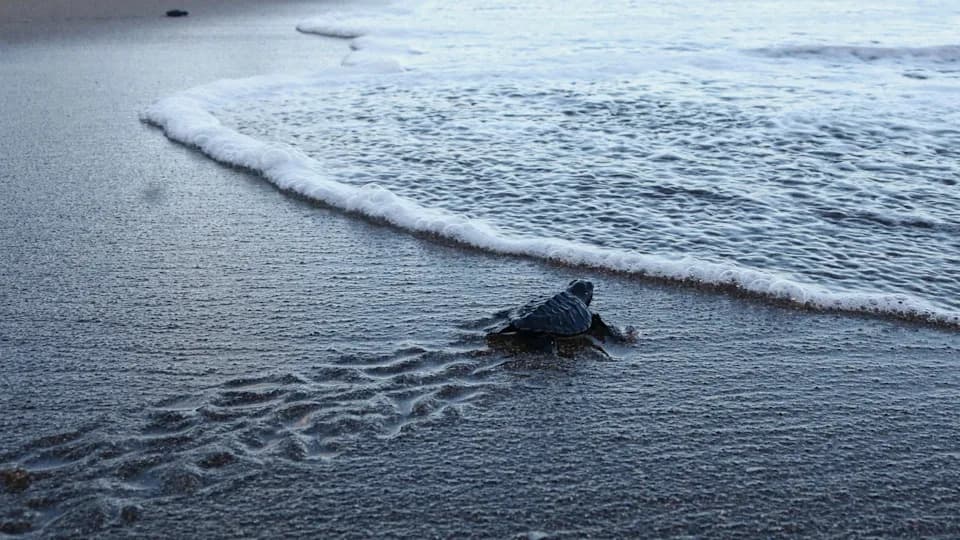
If the sea turtles hatch on California's coastline, the same babies may return to lay their own eggs as adults.©Daniel Alvarado Calderon/iStock via Getty Images
Conservation Context
Olive ridleys are protected under the Endangered Species Act. Globally they are known for mass nesting "arribadas" in parts of Mexico, Costa Rica, and India, but they face threats from fisheries bycatch, coastal development, and egg poaching. The California events offer a rare scientific opportunity to study potential range shifts and to support the survival of these particular clutches.
Next steps: Eggs incubating at the Aquarium of the Pacific will be closely monitored; if hatchlings emerge, the plan is to return them to Seal Beach and Huntington Beach for release so they can make the natural crawl to the ocean from their natal beaches.
Help us improve.