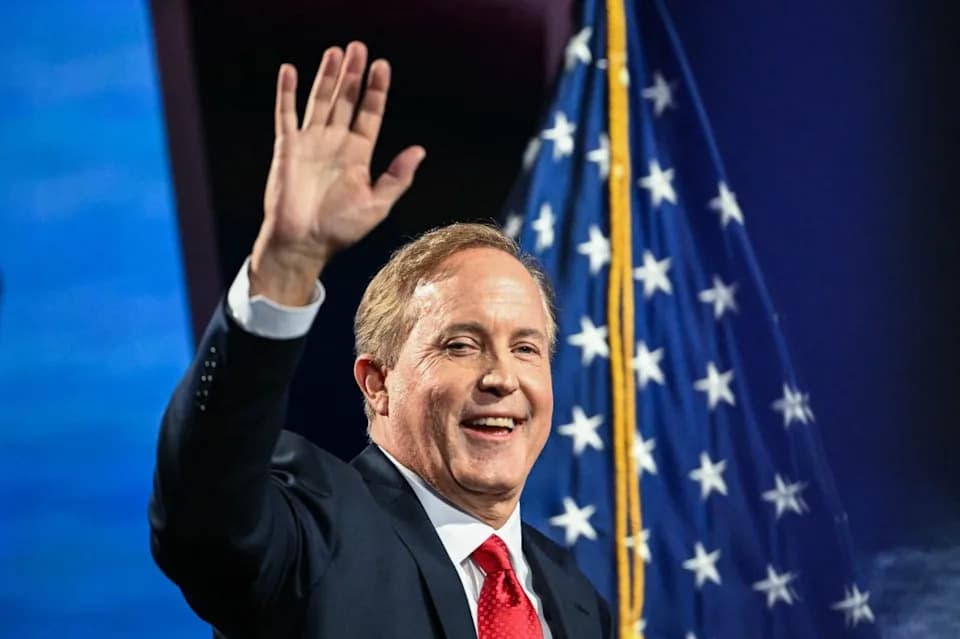
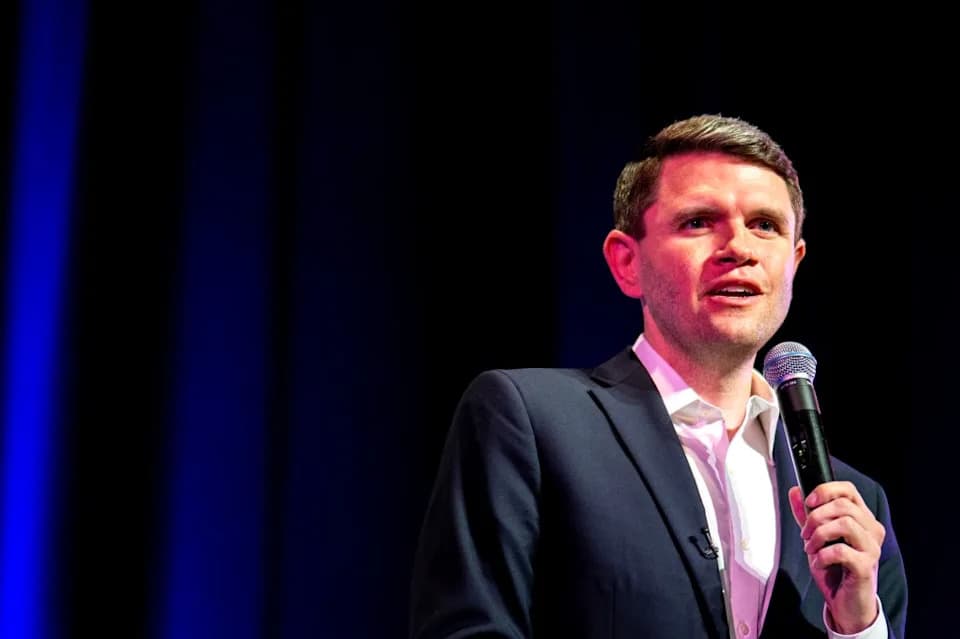
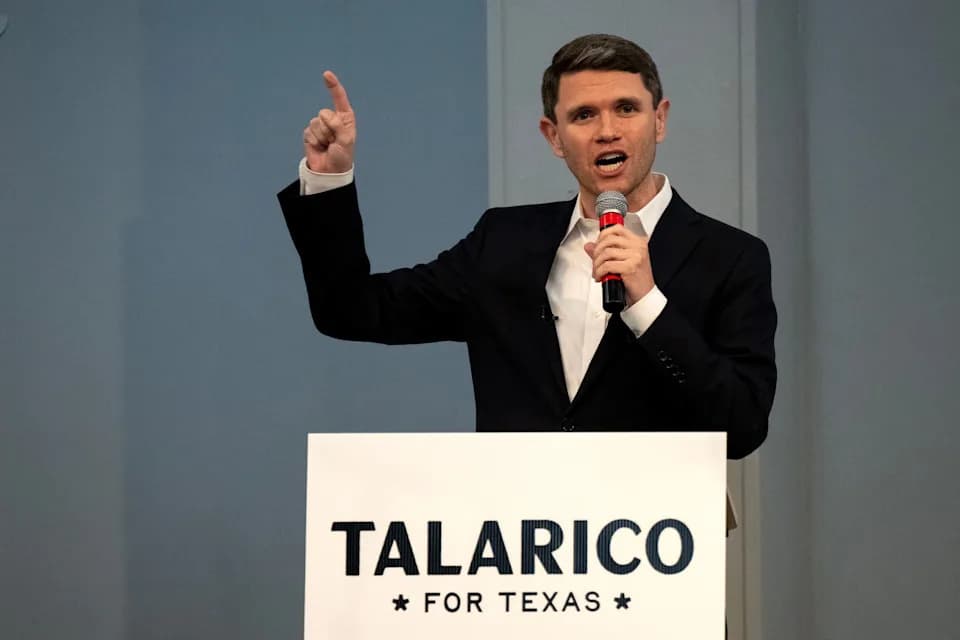
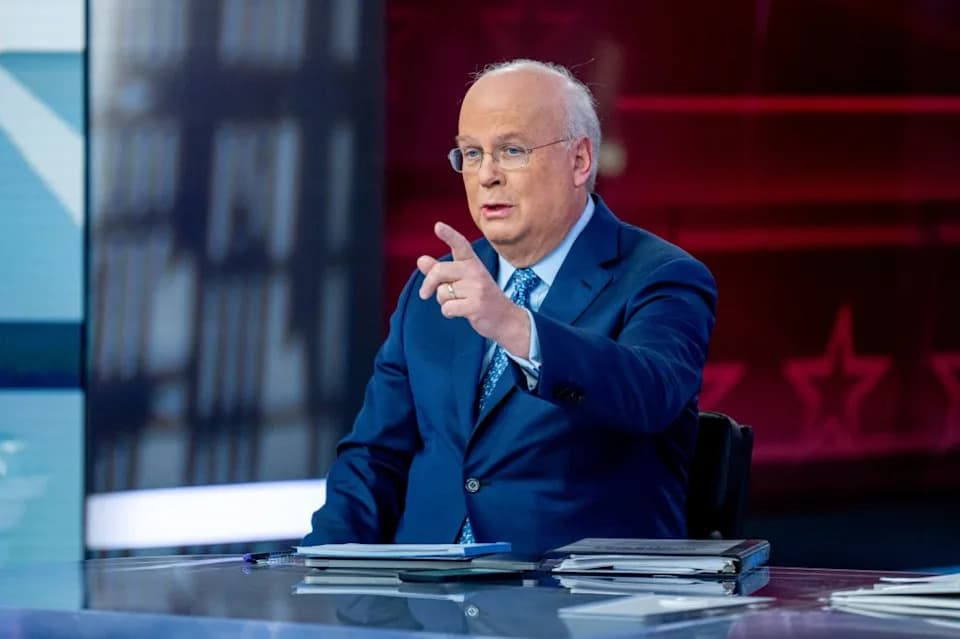
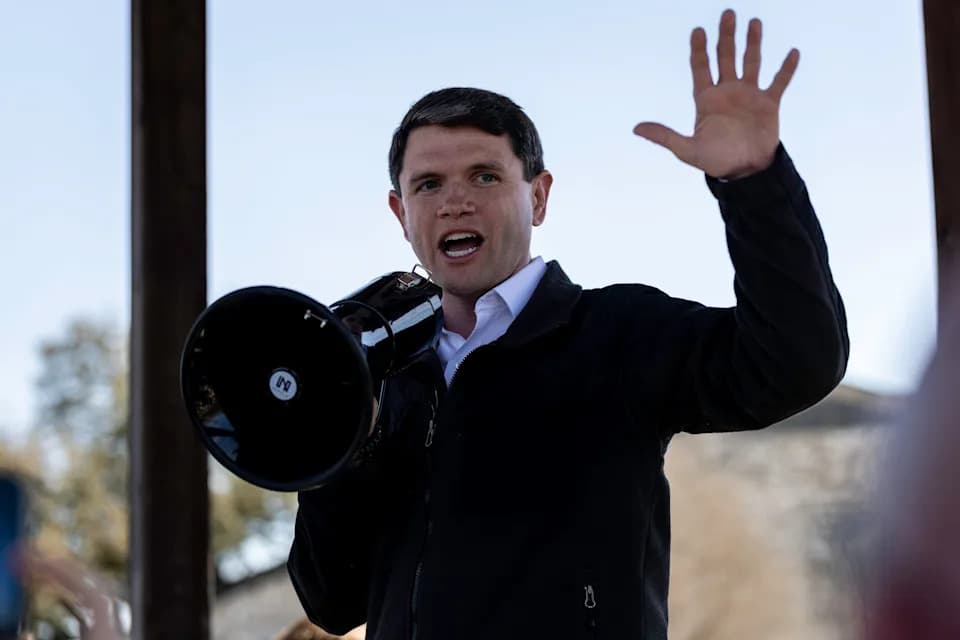
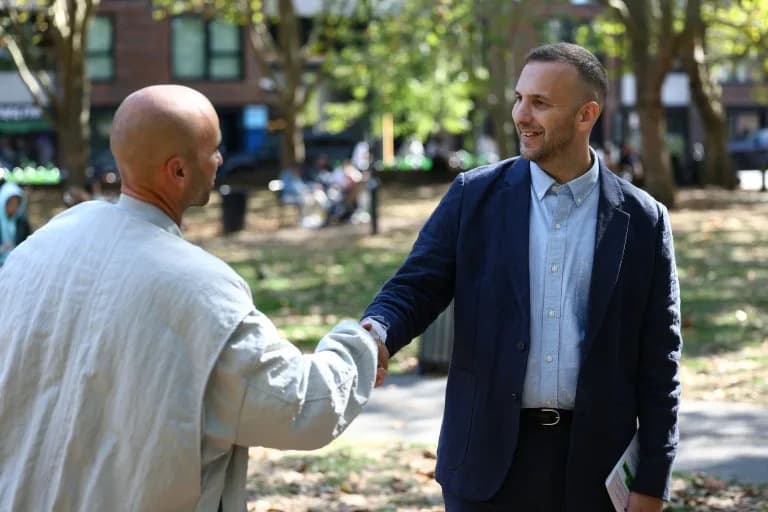
About a month before the 2026 midterms, voters in Texas and Alabama say economic strain, distrust of politicians, national security and AI-generated political ads are shaping their choices. The competitive Texas Senate race between Ken Paxton and James Talarico is drawing intense attention, with both campaigns courting Hispanic and Black voters. Voters across the spectrum emphasized everyday economic pressures, while some prioritized security concerns tied to U.S. policy on Iran. As of Oct. 1, Decision Desk HQ gave Democrats a 75% chance for the House and 54% for the Senate, reflecting ongoing uncertainty.
Economy, Distrust and AI Could Tip the 2026 Midterms — Tight Texas Senate Race in Focus

Real voters reveal what could decide the 2026 midterms
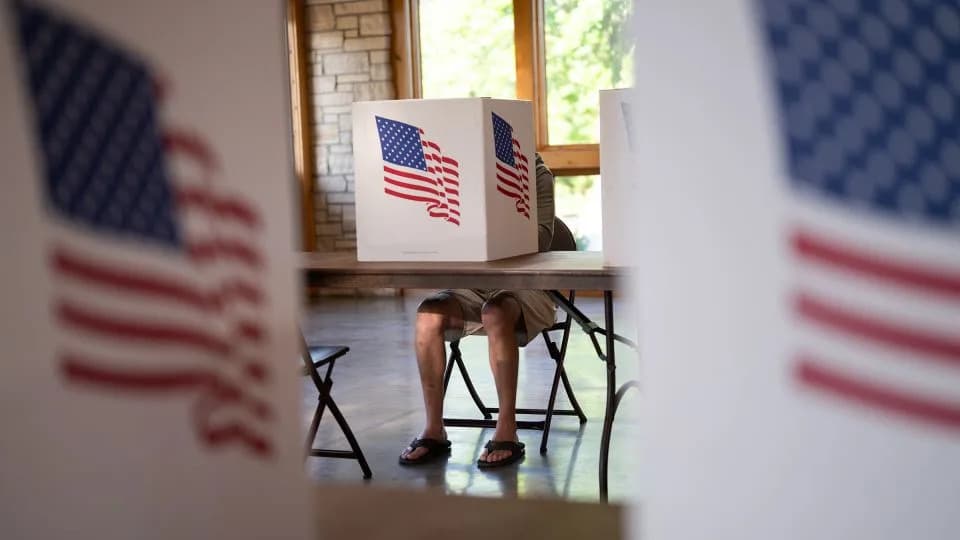
With Election Day roughly a month away, voters interviewed in Texas and Alabama told NewsNation that a mix of economic strain, skepticism toward politicians, national security concerns and the rise of artificial intelligence are shaping how they plan to vote in the 2026 midterms.
Independent Texas voter Sandi Hebley said AI-generated political ads are a new source of worry in the closely watched Senate contest between Republican Ken Paxton and Democrat James Talarico.
"I'd rather hear from the actual people than something that some committee somewhere made up," Hebley said, criticizing synthetic campaign material and stressing the value of direct communication from candidates.
The Texas Senate race is among the nation's most competitive. Recent polls show Paxton and Talarico separated by only a few points, with some surveys giving Talarico a narrow edge. NewsNation reported on Sept. 30 that both campaigns are actively courting Hispanic and Black voters, groups seen as pivotal in the state.
Voters Call for Clearer Messages and Economic Focus
Democratic voter Andrea Cervantes argued that her party needs to refine its message, urging Democrats to emphasize everyday economic concerns over more ideological priorities.
"I think that Democrats need to step up their game," Cervantes told NewsNation. She called for greater transparency, warned that corruption is not confined to any single party, and noted the growing appeal of identifying as an independent among voters who feel neither major party represents them well.
Economic pressures recurred throughout the interviews. Gallup's long-running Most Important Problem survey tracks public concern about the economy, government, inflation and related issues — and measures which party voters believe can better address those priorities.
Hebley said rising costs will follow many voters into the ballot box. "I think a lot of folks are struggling," she said, citing the strain of paying rent or a mortgage while also buying gas to get to work. NewsNation has reported that inflation, housing and fuel costs remain significant political concerns.
Security Concerns Also Influence Some Voters
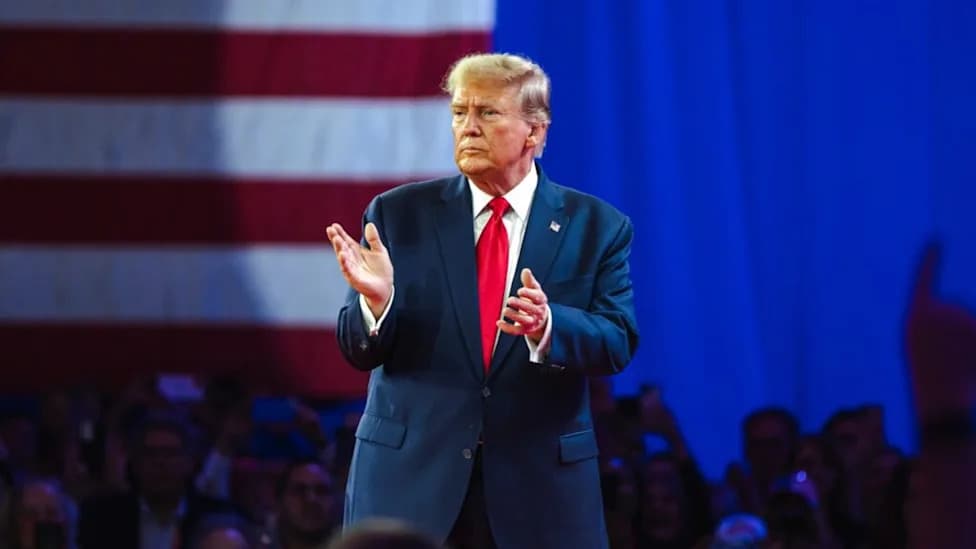
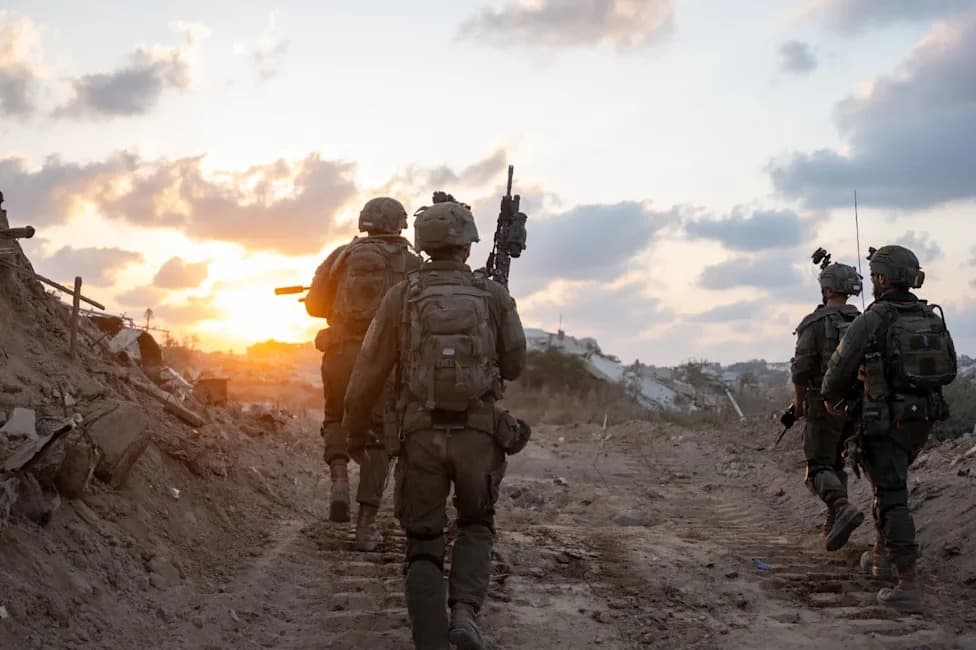
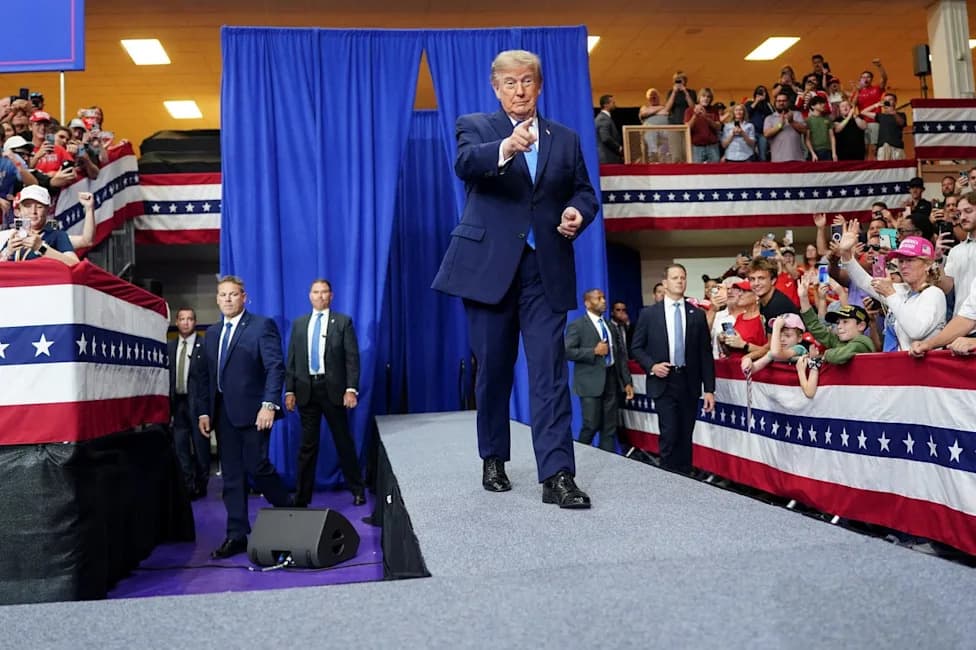
Republican voter Ajua Mason acknowledged economic pain but said national security should weigh heavily in voters' decisions. She defended President Donald Trump's posture toward Iran and said she'd accept short-term financial difficulties if she believed the administration would ultimately make the country safer.
These competing priorities — pocketbook issues, distrust of parties, foreign policy and worries about synthetic campaign content — help explain why control of Congress is still uncertain. As of Oct. 1, NewsNation's election partner Decision Desk HQ gave Democrats a 75% chance of winning the House and a 54% chance of taking the Senate, underscoring that both chambers remain highly competitive.
With voters weighing multiple, sometimes conflicting concerns, candidates are vying for support from people whose priorities do not fall neatly along party lines. The mix of economic anxiety, skepticism about political messaging and security considerations makes the 2026 midterms difficult to predict.
Help us improve.