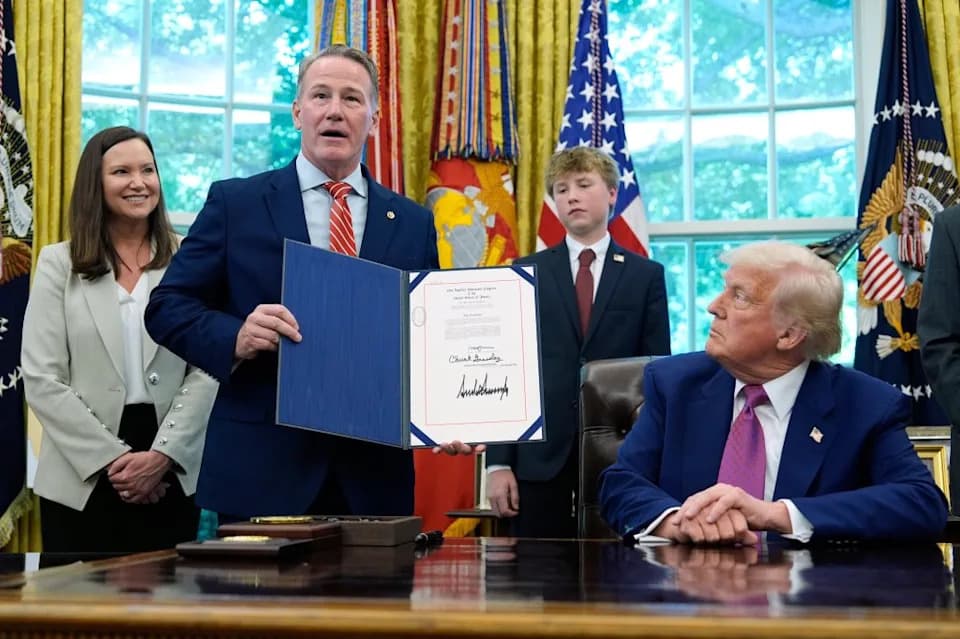
President Trump visited the Dayton area as roughly 1,400 workers at a Springfield truck plant faced layoffs tied to the sale of the facility to Canadian maker Roshel. A WARN filing indicated more than 1,300 expected job cuts after a contract-manufacturing agreement expired. Roshel says it intends to protect the existing workforce and expand hiring over time, while workers and unions express frustration. The layoffs have added tension to competitive Ohio midterm races, where polls show tight Senate and governor contests.
Trump Rallies in Ohio as 1,400 Springfield Workers Face Layoffs After Plant Sale
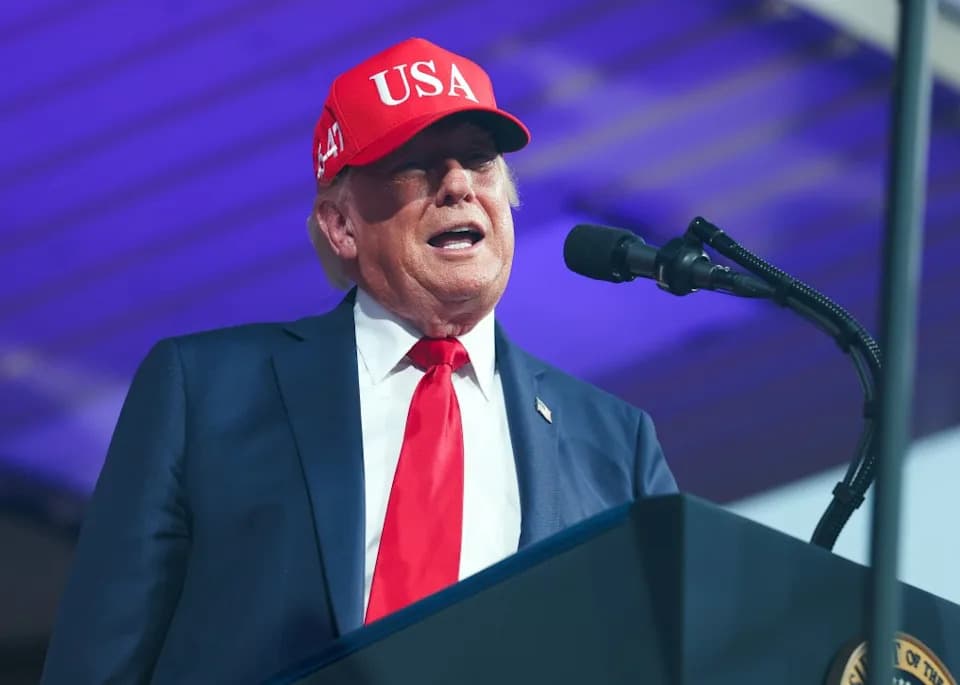
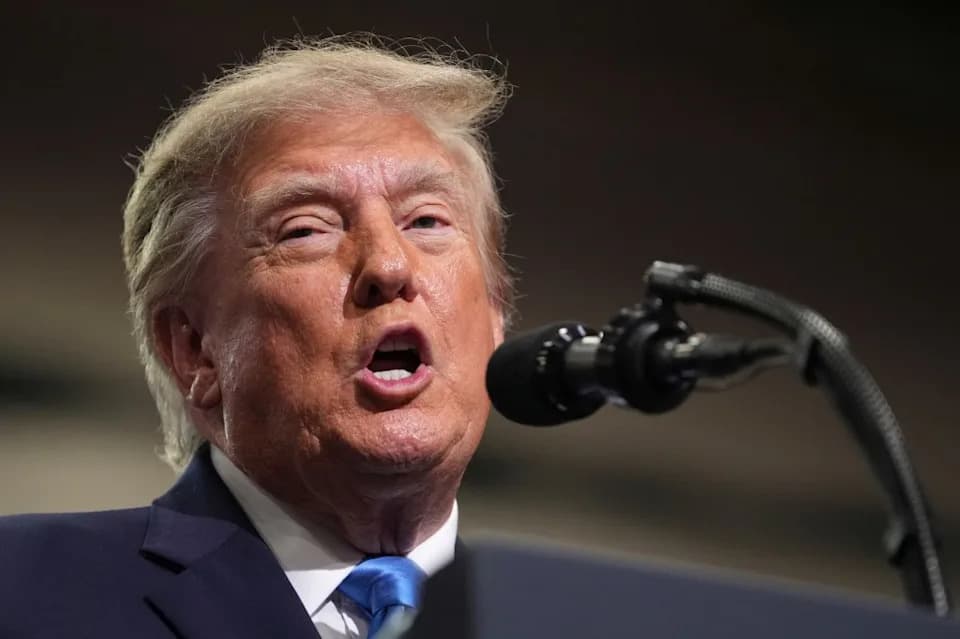
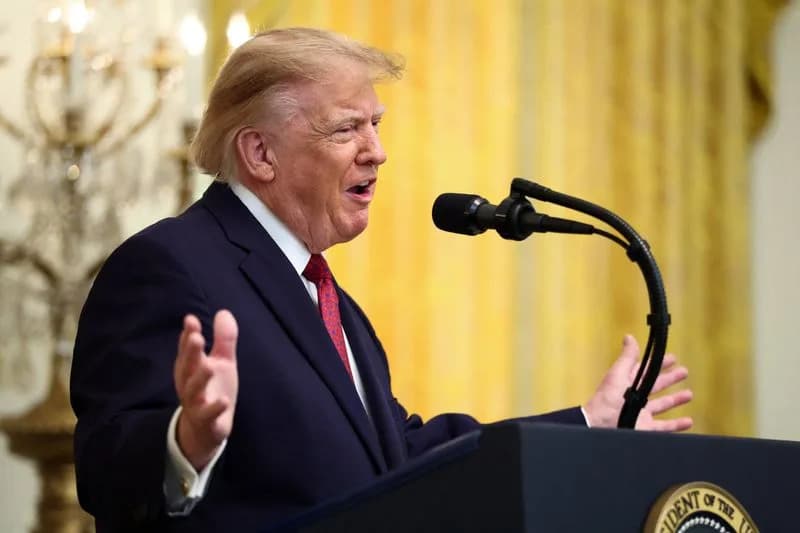
President Donald Trump speaks during a campaign rally in Gastonia, North Carolina on September 16.
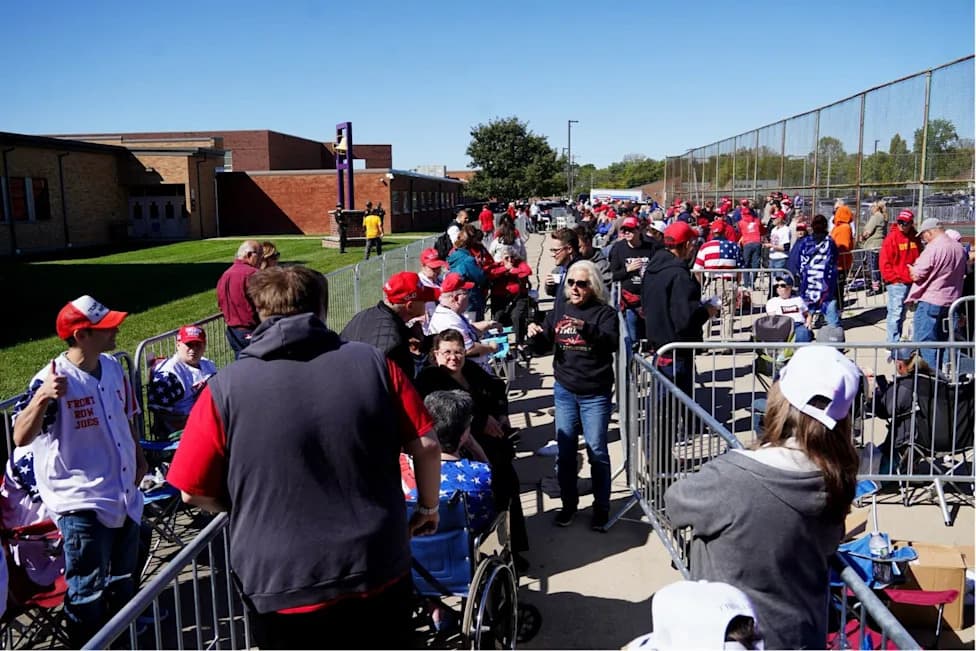
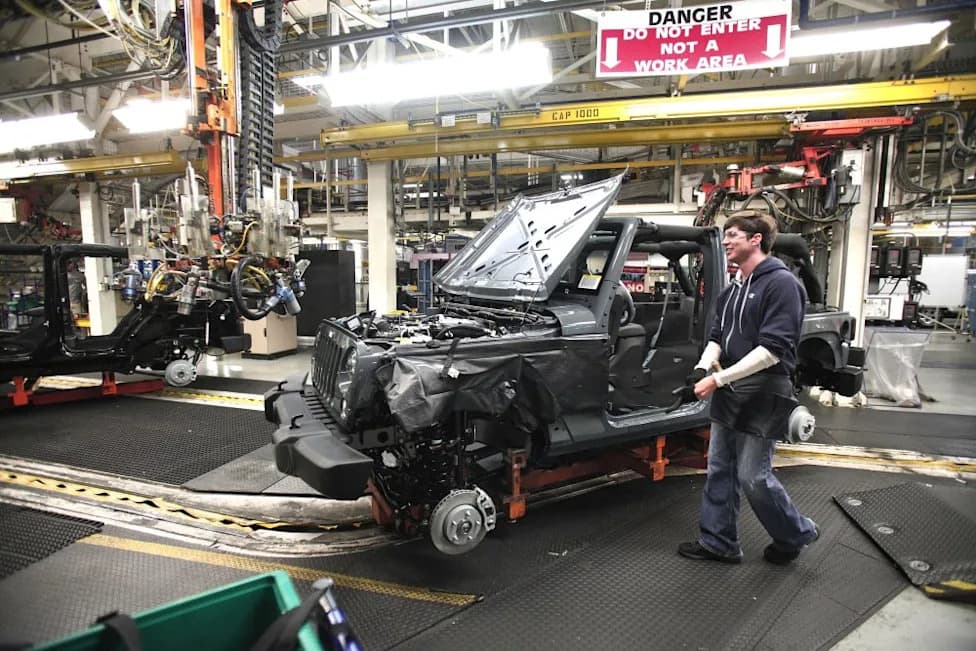
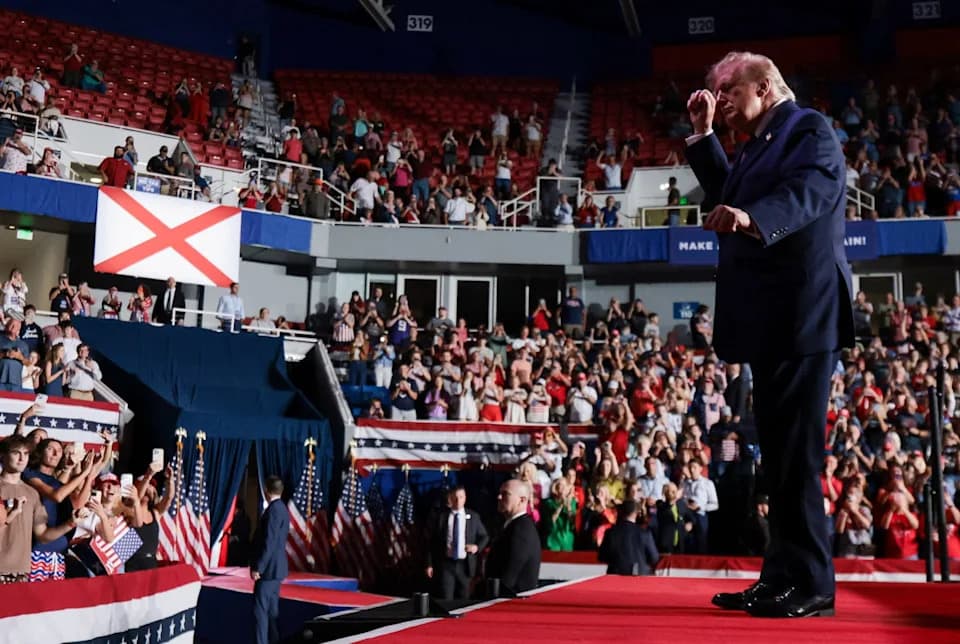
President Donald Trump visited the Dayton, Ohio, area on Saturday as nearly 1,400 workers at a Springfield truck plant coped with layoffs tied to the facility's sale — a development that has become a focal point in the state's competitive midterm races.
Layoffs Tied to Plant Sale
Public filings show more than 1,300 employees were expected to lose their jobs after International Motors agreed to sell the Springfield Assembly Plant and Truck Specialty Center to Canadian vehicle maker Roshel. A Worker Adjustment and Retraining Notification (WARN) filed with Ohio authorities cited the sale and the expiration of a contract-manufacturing agreement at the end of September as factors prompting the workforce reductions.
The Springfield facility, opened in 1966, had been operating largely under short-term contract manufacturing arrangements. Company officials said the contract's expiration contributed to efforts to find a buyer. The sale, expected to close Oct. 2, has left some employees hopeful they may be rehired as Roshel ramps up operations.
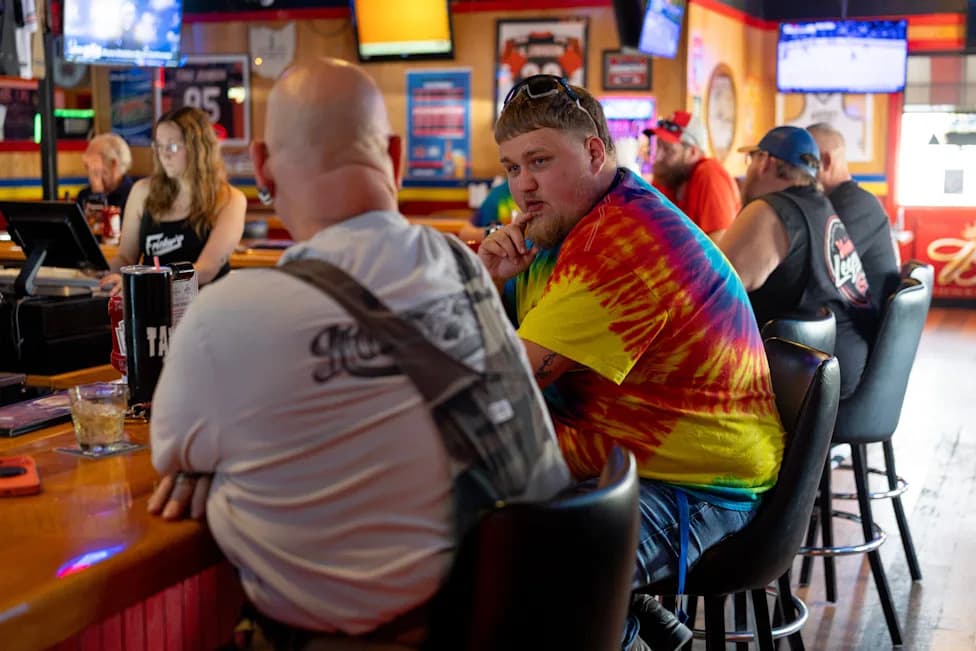
"Something has to change politically in this country," said Kyle Bos, a member of the United Auto Workers who identifies as a centrist. "Seems like it just kept getting worse and worse and worse."
Company And Buyer Responses
Roshel told the Associated Press it is "working with everyone involved not only to protect the current workforce, but to more than double it over the coming years through a phased process." International Motors told Newsweek that the sale was intended to secure a sustainable future for the plant and community, and said the decision was not driven by tariffs or broader economic factors.
Industry and labor groups have noted challenges in parts of the trucking sector — including high operating costs and uneven freight demand — but no public evidence has directly linked those broader trends to the Springfield layoffs.
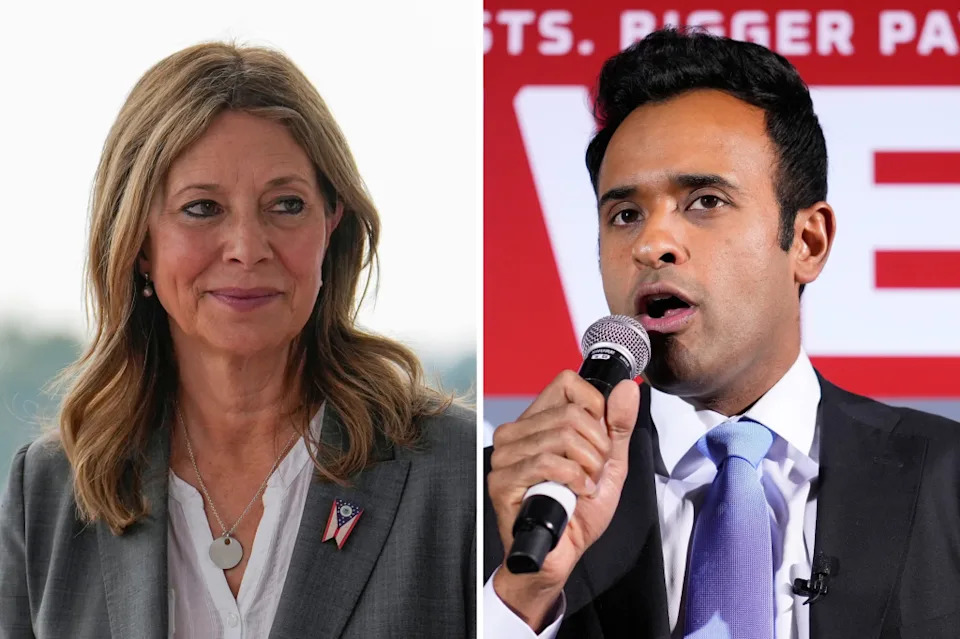
Amy Acton speaks during a campaign event in Marietta, Ohio, on September 17. Vivek Ramaswamy attends a watch party on May 5 in Columbus, Ohio.
Political Fallout In A Battleground Region
The Dayton–Springfield region has long been viewed as a bellwether for working-class sentiment. Once a manufacturing hub, the area has experienced decades of industrial change, making jobs, wages and inflation especially salient to voters. The layoffs provided a fraught backdrop for Trump’s appearance in southwest Ohio, a region important to Republican gains with working-class voters.
White House spokeswoman Taylor Rogers issued a statement highlighting the administration's economic record, saying pro-growth policies and tax changes have spurred private investment in Ohio and helped protect jobs.
Close Races And Campaign Spending
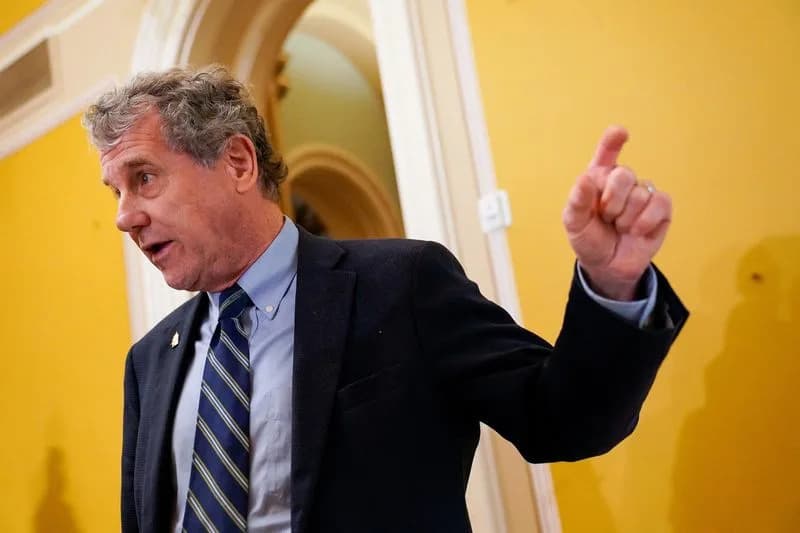
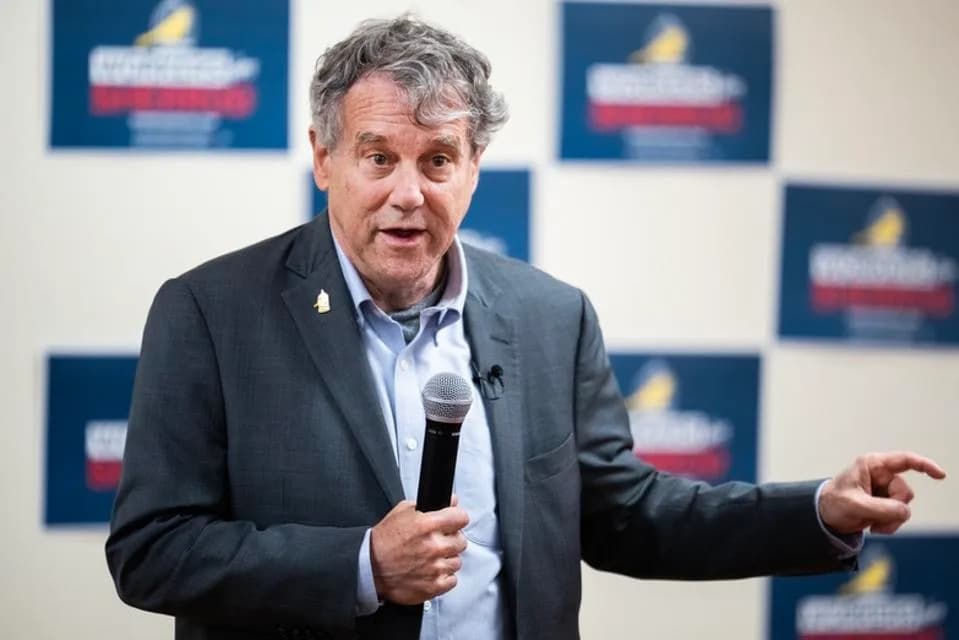
The layoffs arrived days before Trump’s visit and as the state’s Senate and governor contests remain competitive. Former Senator Sherrod Brown is running against Republican Jon Husted in a close race, with recent polls showing narrow leads for Brown in some surveys. National Republicans have increased spending on the Senate contest, with the Senate Leadership Fund adding $14 million and bringing its total commitment to $93 million.
On the governor’s front, Democrat Amy Acton led Republican Vivek Ramaswamy in recent Marist and Suffolk polls, though a separate Big Data Poll showed Ramaswamy with a slight edge. Both the Cook Political Report and Sabato’s Crystal Ball classify the Ohio races as toss-ups.
As the new owner prepares to take control, some laid-off workers hope for rehiring while unions and local leaders press for protections and clear timelines. The episode underscores how industrial shifts, corporate decisions and political campaigning intersect in a region that remains key to national campaigns.
Reporting Note: This article draws on filings, company and union statements, and reporting from the Associated Press and Newsweek.
Help us improve.