Maj.-Gen. (res.) Nitzan Alon told a Washington Institute panel that Israel could have ended the Gaza war and freed hostages up to a year sooner if different decisions had been taken. He argued similar strategic damage to Hamas could have been achieved earlier, potentially saving thousands of lives and returning some captives alive. Alon criticized the October 7 failures and parts of the political leadership while praising Israeli civic solidarity, and urged post-election recognition of the limits of military force and greater emphasis on diplomacy.
Former IDF Negotiator: Israel Could Have Ended Gaza War and Freed Hostages Up To A Year Sooner, Says Nitzan Alon
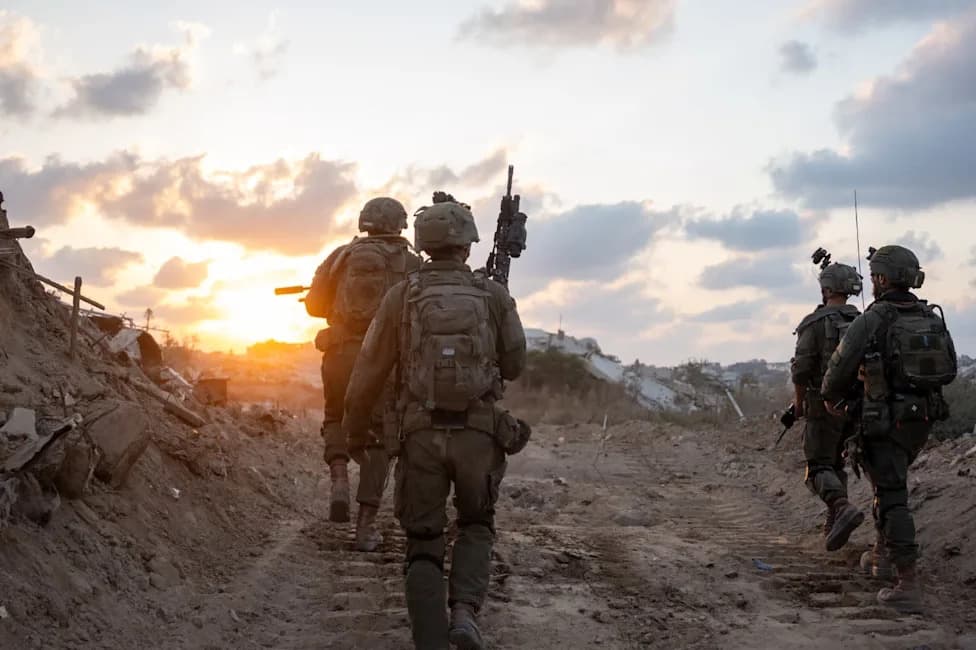
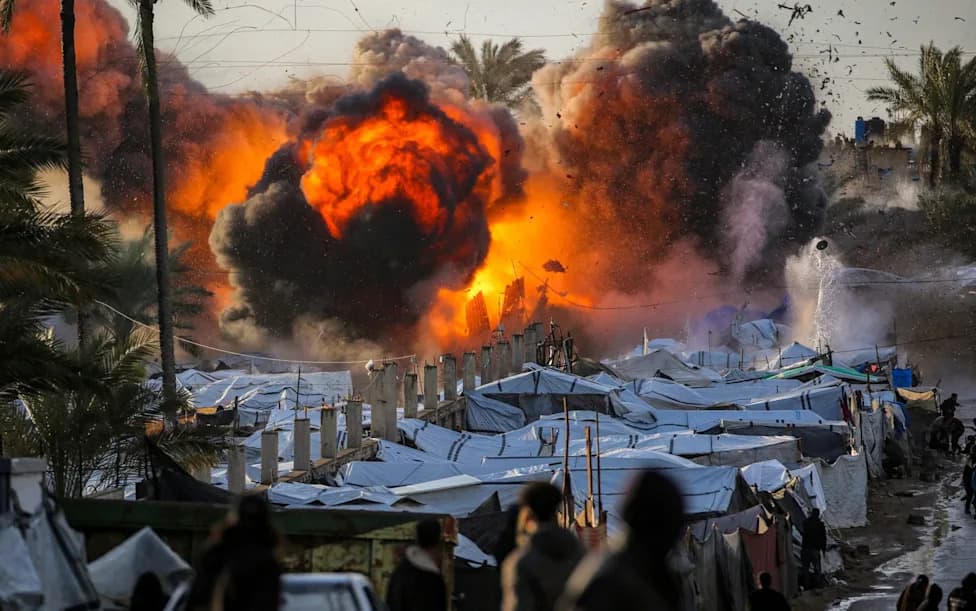
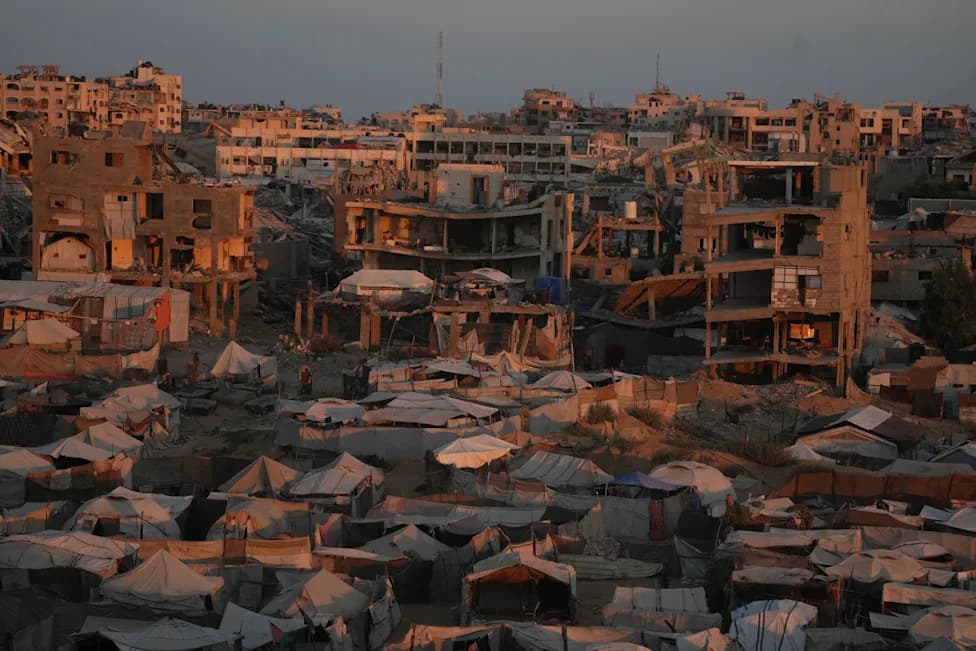
IDF Paratroopers Brigade operating in the Gaza Strip. Pictures released on August 24, 2026. (photo credit: IDF SPOKESPERSON
Maj.-Gen. (res.) Nitzan Alon, who led the Israel Defense Forces' hostage and missing persons directorate during the Gaza war, told a Washington Institute for Near East Policy panel that Israel could have ended the conflict and secured the release of hostages significantly earlier—perhaps by as much as a year—if different decisions had been made.
Key Remarks at Policy Forum
Speaking on a panel titled "Three Years After October 7: A Bridge or a Chasm Between the Peoples?", Alon said alternative choices during the campaign might have shortened the fighting and saved thousands of lives on both sides. He suggested that some captives who were later killed in captivity might have been rescued alive under a different approach.
"I think we could have reached this point much earlier, perhaps a year earlier, without significantly harming the other strategic objectives of the war," Alon said. "We missed that opportunity. The war was too long."
Strategic Trade-Offs and Outcomes
Alon argued that similar strategic outcomes—such as degrading Hamas's military capabilities—could have been achieved earlier without sacrificing other security goals. He said the October 2025 agreement that concluded the most intense phase of fighting was only marginally better than an arrangement that might have been reached months earlier and that the long campaign did not produce materially different strategic results.
He noted that, despite the military campaign, Hamas remained politically in power in Gaza and continued to exert control over much of its population.
Accountability, Leadership and Society
Alon was direct about the failures of October 7: "On October 7, there was of course a severe intelligence and military failure, alongside a mistaken and catastrophic conception by the political leadership," he said. At the same time, he praised civic response: Israeli society, he said, showed initiative, solidarity and mutual responsibility, and thousands of volunteers who worked with hostage families gave him personal strength during his tenure.
Alon emphasized that he was not attempting to psychoanalyze Prime Minister Benjamin Netanyahu: "I'm not a psychologist who can know exactly what is going on in the prime minister's mind," he said, noting that political decisions reflect strategic, ideological, political and personal considerations.
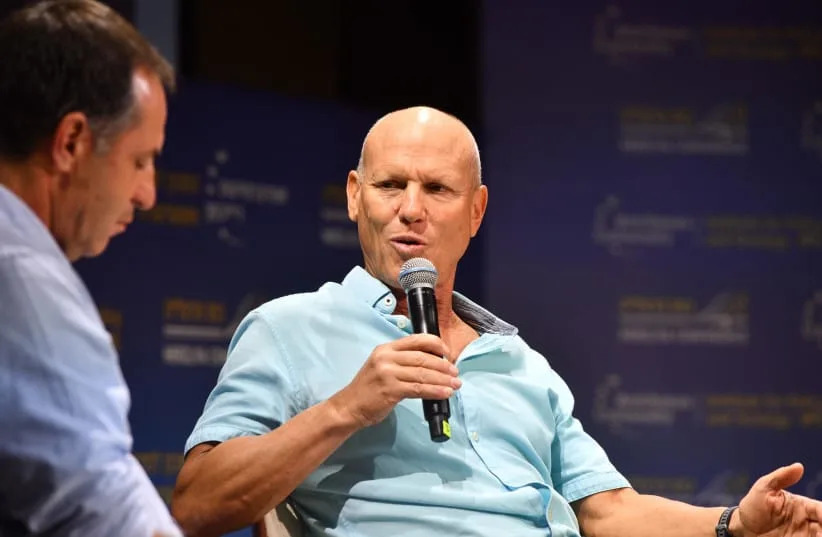
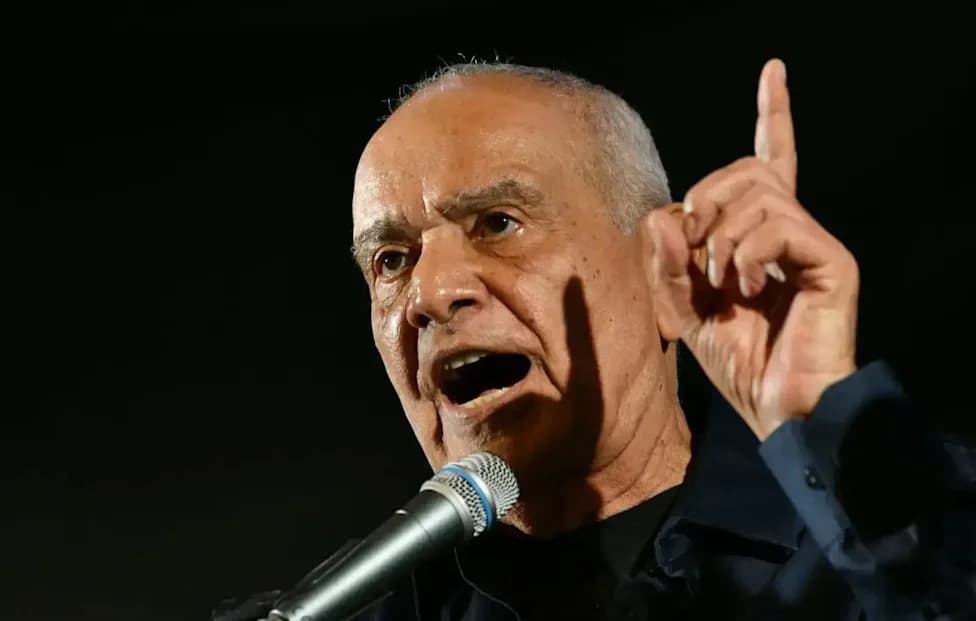
Former lead hostage negotiations coordinator Maj.-Gen. (res.) Nitzan Alon speaks at the Reichman University Conference, Herzliya, July 1, 2026. (credit: AVSHALOM SASSONI/MAARIV)
He called for different leadership: one that takes responsibility, offers realistic plans rather than slogans like "total victory," and balances security, economic and social priorities.
Broader Consequences and Diplomatic Outlook
Alon described a profound change in Israeli public attitudes toward Palestinians after October 7. The severity of the attack, its wide documentation on social media and the kidnapping of civilians deepened trauma and reduced many Israelis' capacity to distinguish between Hamas and the broader Palestinian population. That shift, he said, has weakened public faith in the two-state solution and the prospects for a negotiated settlement.
Security thinking, he added, has shifted toward seeking buffer zones not only in Gaza but also along Lebanon and Syria and toward demanding broad military freedom of action in those areas.
Despite this, Alon expressed hope that post-election political debate would lead to a clearer recognition of the limits of military force and to greater emphasis on diplomacy and nonmilitary tools. He suggested that diplomatic tracks with Lebanon and Syria could offer openings for regional change and a path to restored optimism about the wider Israeli-Arab conflict.
Final Thoughts
Alon summed up his view by stressing that alternative decisions could have shortened the war, returned hostages earlier, and potentially saved lives. His remarks combine operational critique, praise for civic resilience, and a cautious call for pragmatic leadership and renewed diplomatic engagement.
Reporting: Remarks made at a public forum following the conflict and the October 2025 agreement; panel moderated by David Makovsky and featuring Israeli, Palestinian, and American experts.
Help us improve.