Major General Nitzan Alon, Israel's former chief hostage negotiator, says a full hostage-return deal could have been achieved up to a year earlier and that the Gaza war was prolonged unnecessarily. He called Prime Minister Benjamin Netanyahu's insistence on "total victory" before any agreement "false" and described the October 2025 ceasefire as a strategic success that could have come sooner. Critics, including former diplomat Alan Pinkas and Qatar's prime minister, say Israeli officials declined early ceasefire proposals. Alon's comments arrive ahead of Israel's October 27 legislative election and add to debate over the government's handling of the crisis.
Ex-Hostage Negotiator: Gaza War Could Have Ended A Year Sooner; Captives Freed Earlier
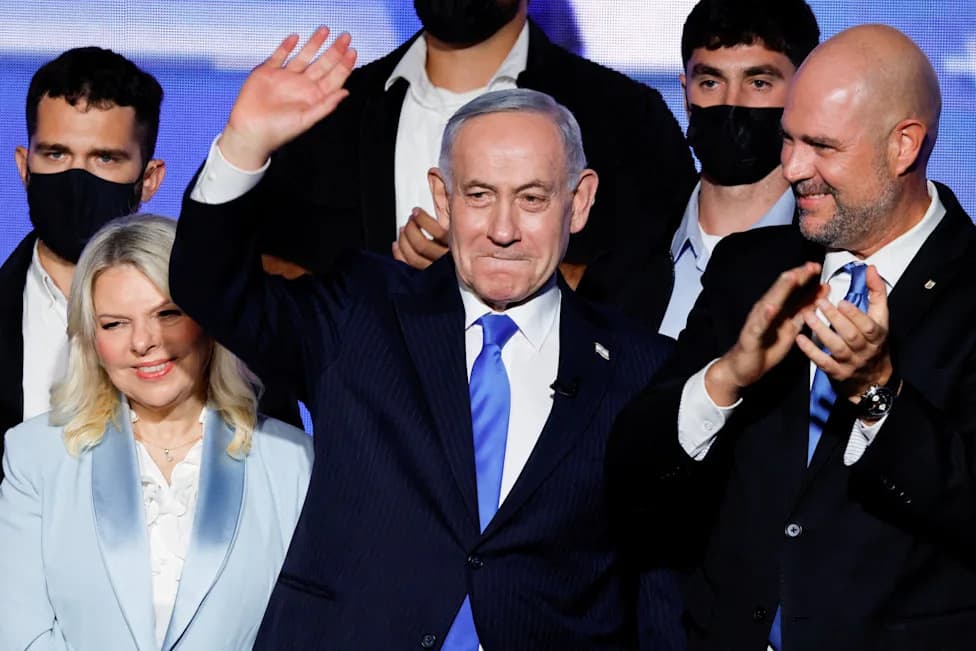
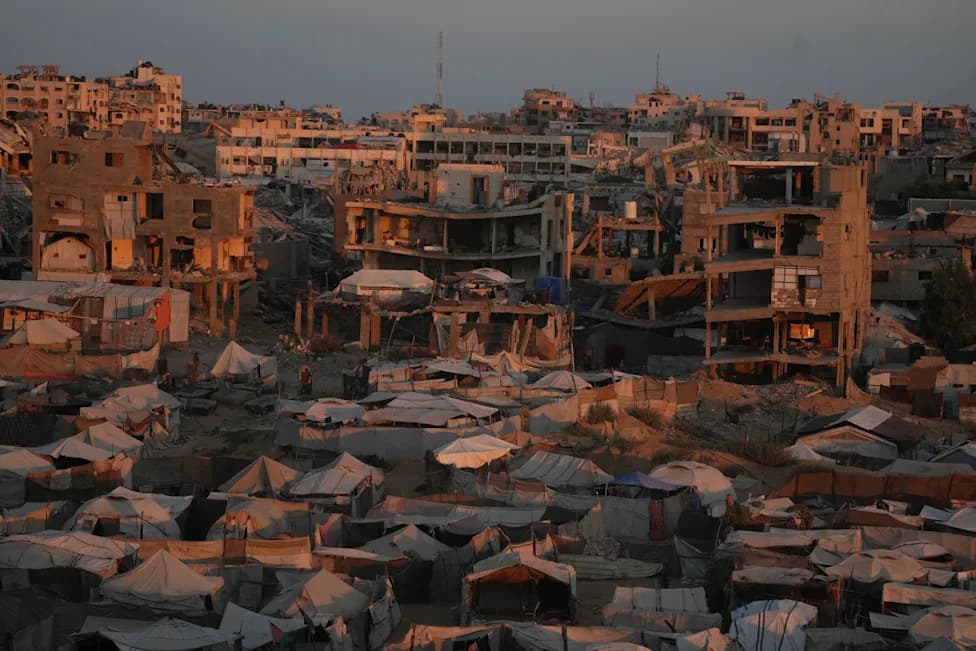
Anger has grown in Israel over the failure of Prime Minister Benjamin Netanyahu's government to prevent the October 2023 Hamas attack [File: Amir Cohen/Reuters]
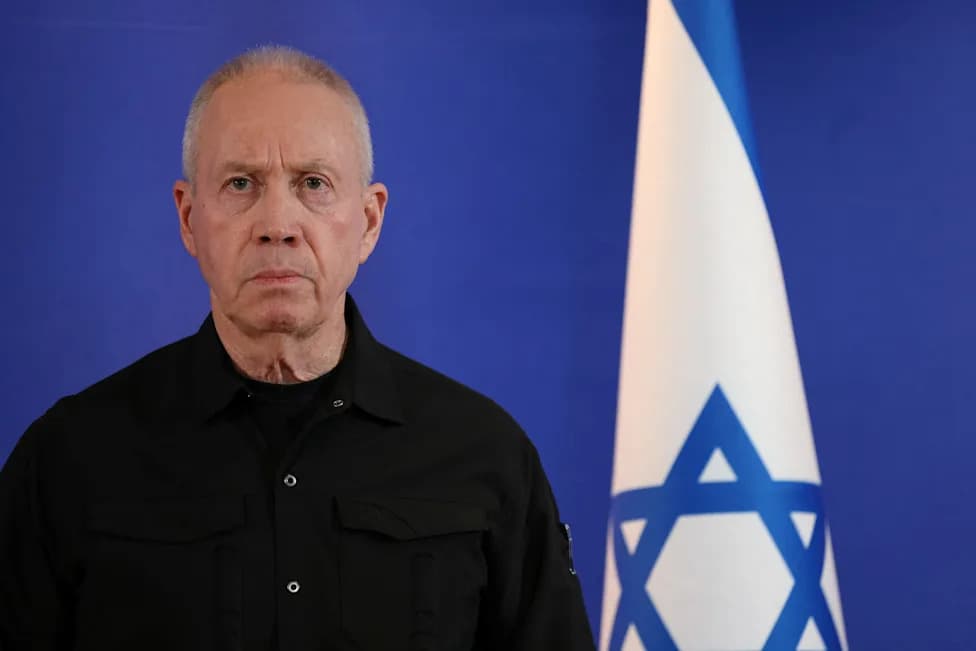
Major General Nitzan Alon, who led Israel's early efforts at negotiating the return of hostages, said a comprehensive deal to free Israeli captives could have been reached up to a year earlier and that the Gaza war was prolonged unnecessarily.
Speaking on a Washington Institute for Near East Policy webcast marking the third anniversary of the October 7, 2023 Hamas attack, Alon said:
"I think that we could [have gotten to] this point much earlier, maybe a year earlier or so, without any major implication on the other strategic goals of the war. We missed it, actually. The war was too long."
Alon rejected Prime Minister Benjamin Netanyahu's stated condition that Israel must secure "total victory" before agreeing to any deal, calling that stance "false." He described the October 2025 ceasefire — which led to the release of nearly 2,000 Palestinians from Israeli jails and the return of 20 Israeli captives held in Gaza — as a "strategic achievement" that weakened Hamas's military capabilities but argued the same outcome could have been secured sooner.
Alon acknowledged the tragic trade-offs, saying an earlier deal might have meant some hostages who died in captivity would not have been returned alive, but he added that an earlier agreement could have shortened the war and potentially saved thousands of lives on both sides.
Reactions and Context
Former Israeli diplomat Alan Pinkas echoed Alon's view in an interview with Al Jazeera, saying a deal was possible soon after the October 2023 attacks and that the nearly two-year delay in returning hostages was "not just a missed opportunity, it's tragic."
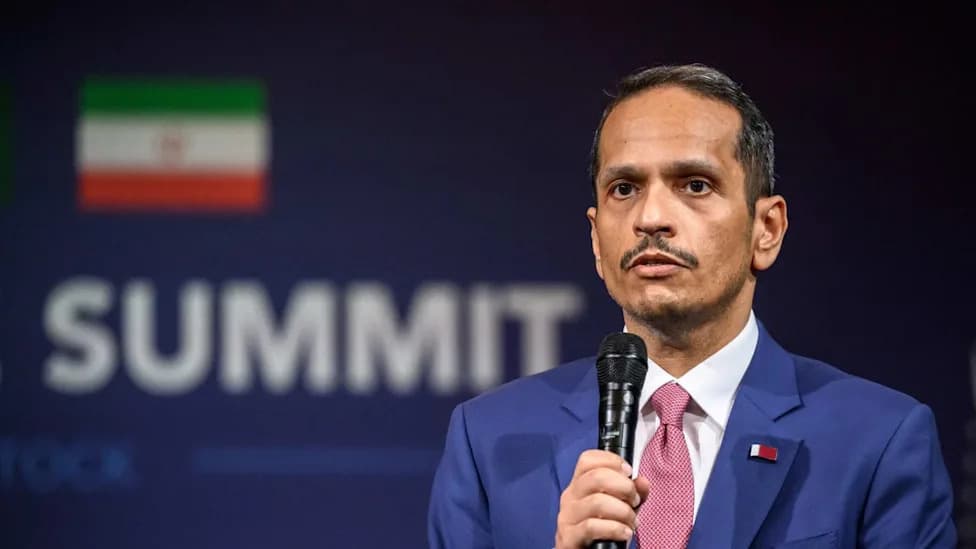
Qatar's Prime Minister Sheikh Mohammed bin Abdulrahman bin Jassim Al Thani told interviewer Piers Morgan that Qatari mediators approached Israeli officials "on day one" with a proposal from Hamas for a limited ceasefire and the release of captives, but that Israeli authorities "were not interested to engage in the idea."
Alon has also criticized domestic political figures, including Finance Minister Bezalel Smotrich, saying some politicians opposed proposed deals at various stages and therefore cannot claim credit for the eventual return of captives.
The conflict that followed the October 7 attacks has produced severe civilian suffering. The article cites reports that more than 74,000 Palestinians have been killed during the war; this figure has been widely reported in international coverage and attributed to multiple sources and monitoring groups.
Political Implications
Alon's remarks come less than a month before Israel's legislative election on October 27. Polls show a tight race, and while some analysts say Alon's comments are unlikely to shift the overall outcome, they add to ongoing public debate and criticism of the government's handling of the crisis.
Separately, a recent investigative report in Haaretz that alleged the United Arab Emirates' president warned Netanyahu of a possible attack prompted strong reactions in Israel; Netanyahu has vowed to sue the outlet and called the report "fabricated."
Bottom line: Alon's critique centers on the missed opportunity to negotiate an earlier hostage-and-ceasefire deal. He argues that political choices, not only battlefield conditions, extended the conflict and delayed the release of captives.
Help us improve.