Democrats remain competitive in multiple 2026 gubernatorial battlegrounds, driven by voter concern over the cost of living. However, Republicans and allied groups are vastly outspending Democrats on television—by as much as 6-to-1 in Florida and more than 3-to-1 in Texas—while Democratic donors concentrate on congressional and Senate contests. Polling indicates Democrats hold advantages on economic issues, but distrust of both parties leaves uncertainty about whether that will yield state-level victories. Victories in a few key states could reshape party infrastructure before 2028 and affect redistricting after the 2030 census.
Democrats See Gubernatorial Openings — But GOP TV Cash Creates Steep Hurdle
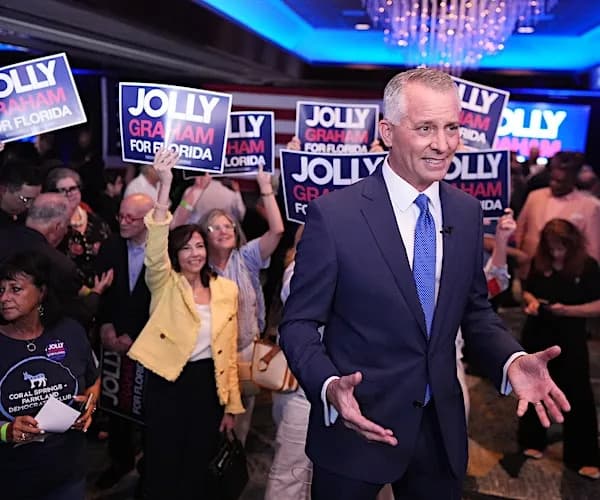
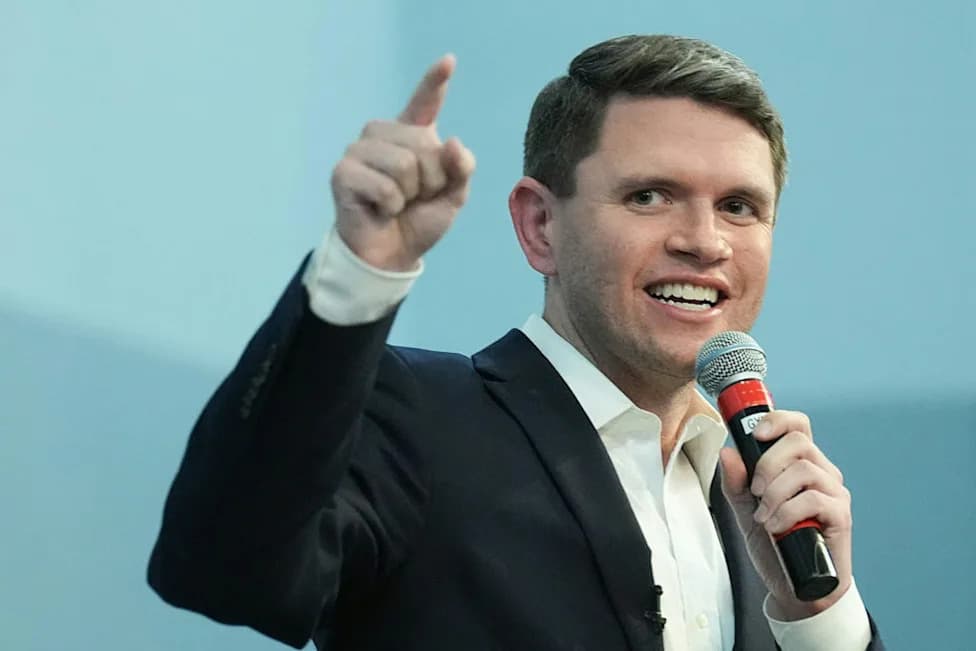
Florida Democrat gubernatorial candidate David Jolly speaks in front of supporters during a primary election night watch party, on Tuesday, Aug. 18, in Miami Lakes, Florida. (Rebecca Blackwell/AP)
Democrats enter the final weeks before the 2026 midterms buoyed by voter anger over the rising cost of living, but a wide fundraising and television-advertising gap threatens to blunt their prospects in several high-stakes governor races, reporting by Politico shows.
Spending Disparity Dominates Battlegrounds
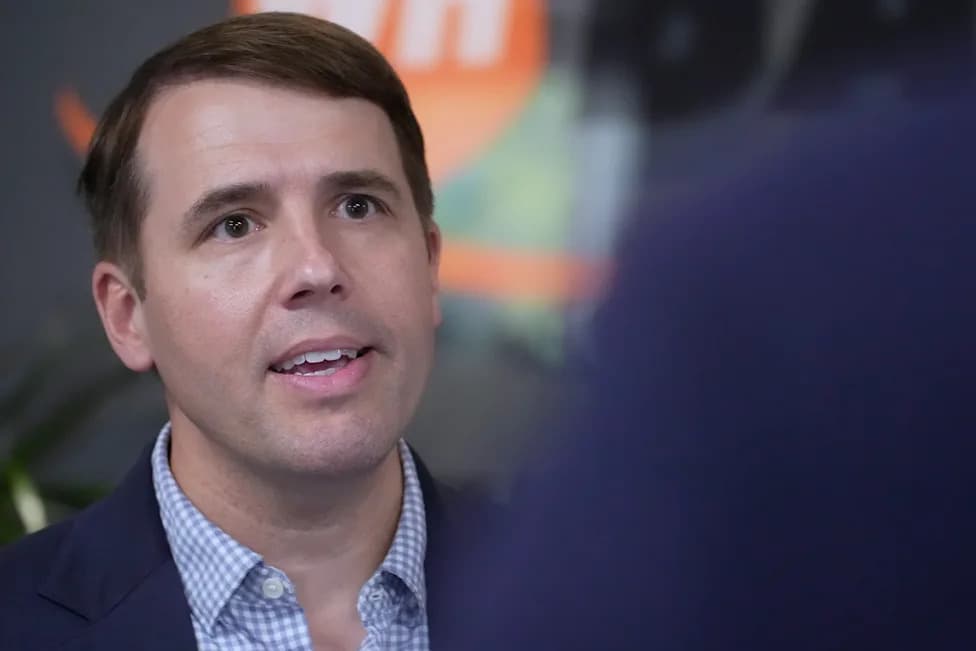
Democratic candidates are competitive in battleground states including Florida, Texas, Georgia, Ohio, Wisconsin and Nevada. Yet Republican campaigns and allied outside groups are outspending Democrats on TV by large margins: roughly 6-to-1 in Florida, more than 3-to-1 in Texas, and better than 2-to-1 in several other key states.
The imbalance has widened as Democratic donors have prioritized congressional contests—especially competitive Senate races—leaving gubernatorial campaigns with fewer resources for paid media. The Democratic Governors Association, which is managing a portfolio of 36 gubernatorial contests, had not purchased television advertising in Florida or Texas with about a month left before Election Day.
Candidates, Polling And The Political Backdrop
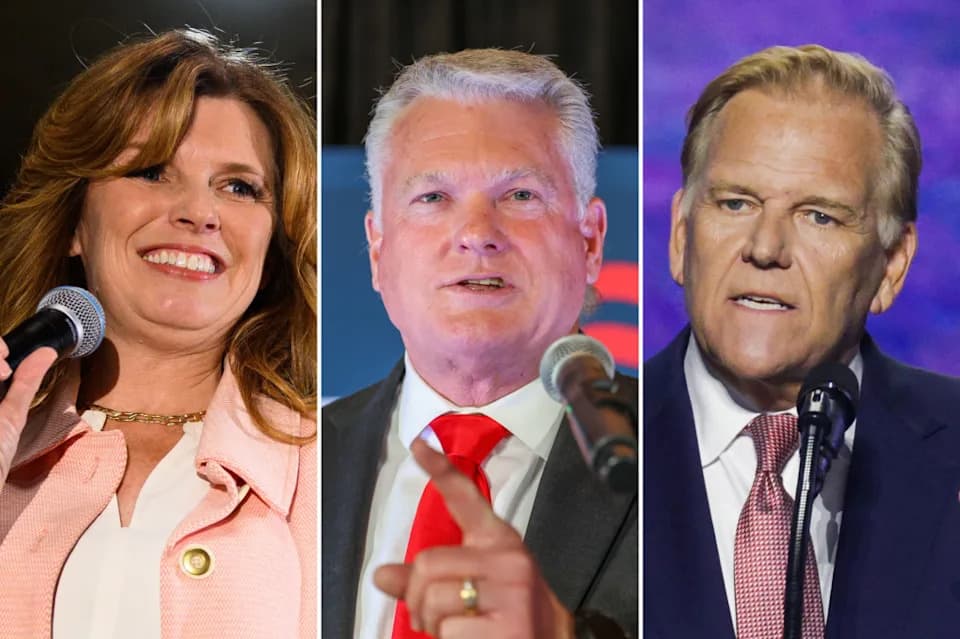
Florida Democratic nominee David Jolly, a former Republican congressman, says the underlying political environment could offset some of the financial shortfall. "We've had data for six months showing this race tied or us up, and people just struggle to accept the data because it's Florida," he said, adding that the race remains competitive even as Republican Byron Donalds has spent heavily.
"Donalds has spent over $80 million, and this race is tied, or we're ahead," Jolly said, pointing to the spending gap.
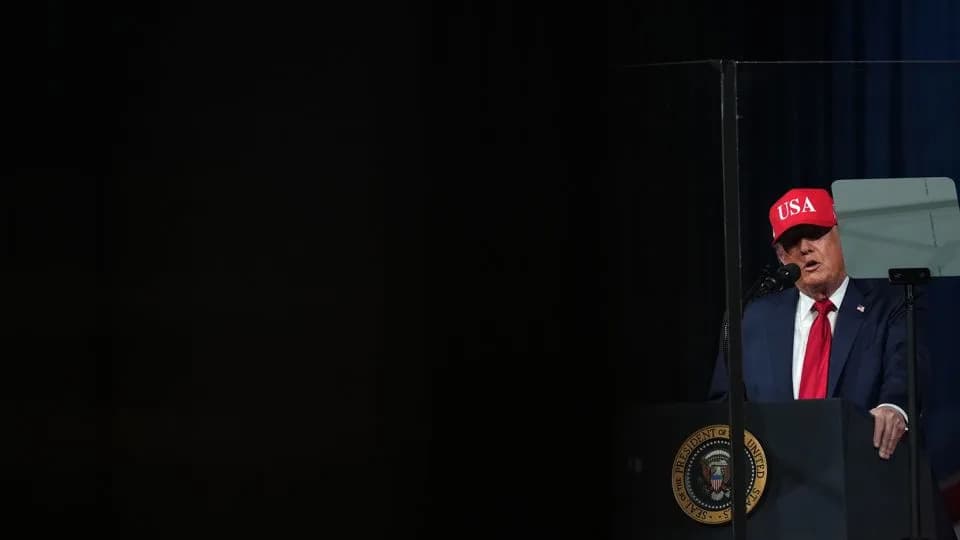
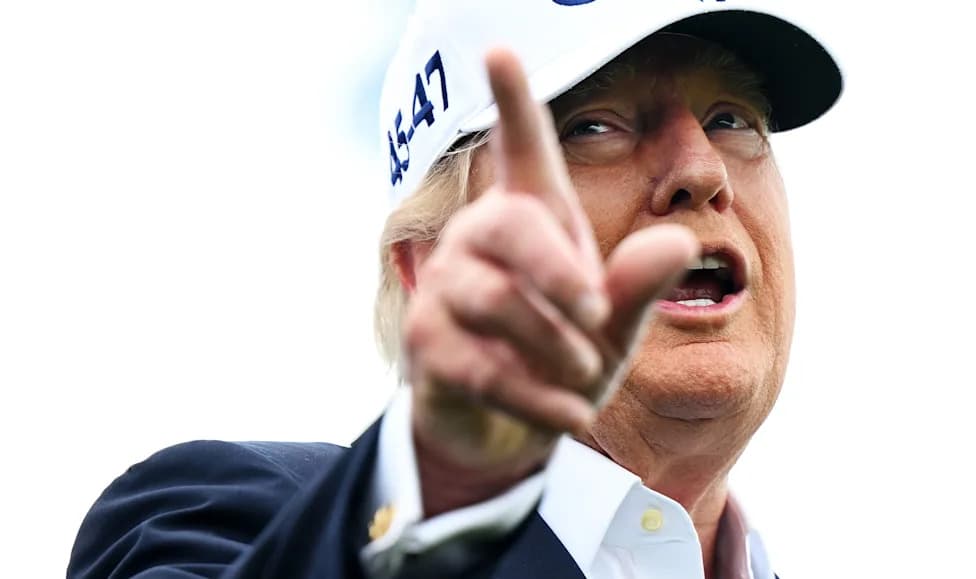
National polling helps explain Democratic optimism. A Reuters/Ipsos survey conducted Aug. 28-31 found 47% of registered voters called the cost of living the single most important factor in determining their midterm vote, and 71% of adults disapproved of former President Donald Trump's handling of the issue. An AP-NORC poll released recently similarly found Democrats holding an edge on the cost-of-living question (38% to 27%), though that survey also revealed broad skepticism toward both parties.
Foreign policy developments, including the Iran war, add another potential vulnerability for Republican candidates and could deepen voter unease over the national direction—inviting comparisons to the 2006 midterms, when dissatisfaction with the Iraq War and President George W. Bush helped Democrats flip both chambers of Congress.
Stakes Beyond November
Democrats argue that gubernatorial wins in states such as Florida, Texas or Georgia would have consequences beyond a single election cycle: rebuilding state party infrastructure ahead of 2028, expanding the bench of statewide officeholders, and influencing redistricting ahead of the 2030 census.
Still, analysts warn that negative sentiment toward Republicans does not automatically translate into enthusiasm for Democrats. Widespread distrust of both parties raises the central question for Democratic strategists: can voter frustration in Washington be converted into wins in states where party infrastructure has weakened and where Republicans are buying the airwaves?
Sources: Politico reporting; Reuters/Ipsos; AP-NORC; NPR/PBS News/Marist.
Help us improve.