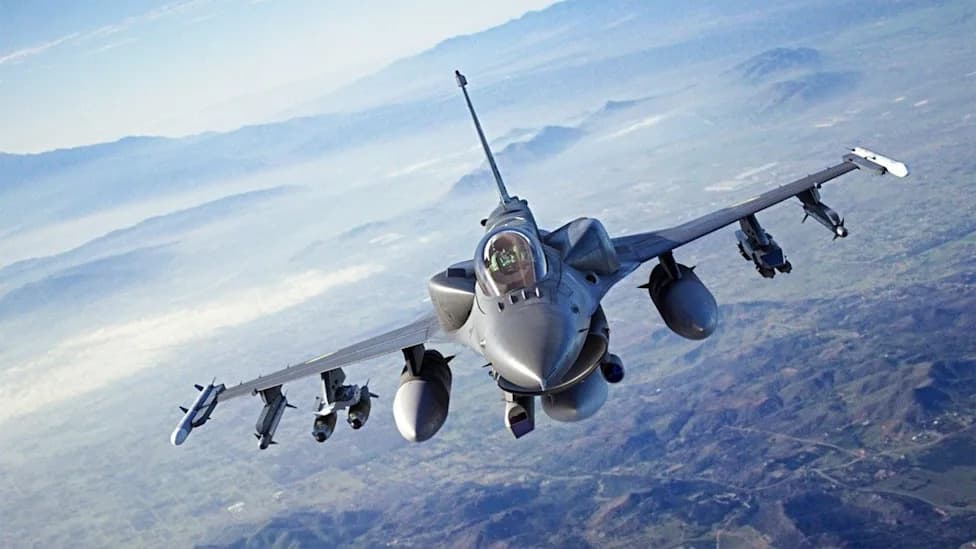
The U.S. Navy and DoD awarded Boeing a $20 billion contract on September 29, 2026 to build prototype F/A-XX fighters, moving the program into development and prototype production. The carrier-capable F/A-XX is intended to replace EA-18G Growlers and F/A-18E/F Super Hornets beginning in the 2030s, while operating alongside the F-35C and future Collaborative Combat Aircraft. Many performance details and advanced technologies remain classified; Boeing's work will focus on flight testing, systems integration, and carrier interoperability.
Boeing Wins $20B Contract to Build U.S. Navy's Next-Gen F/A-XX Fighter
Boeing
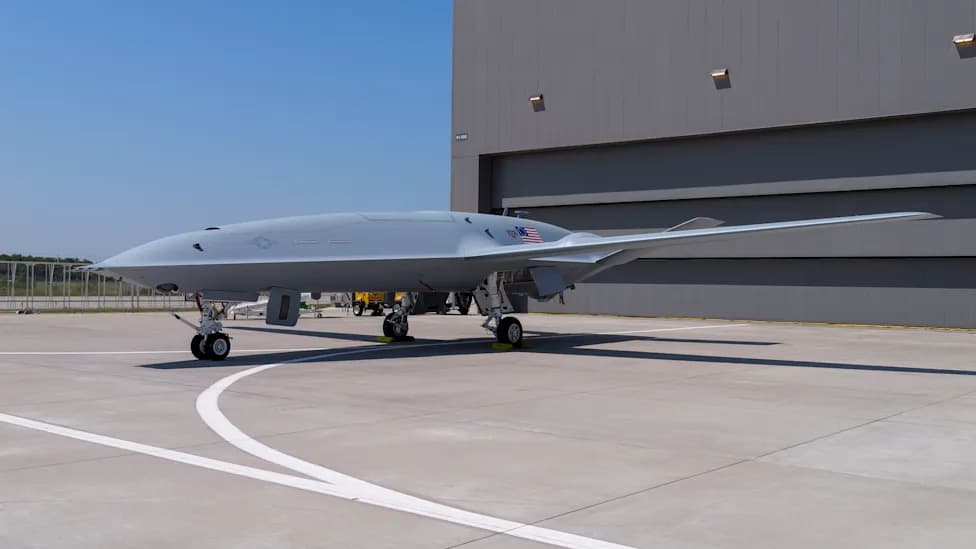
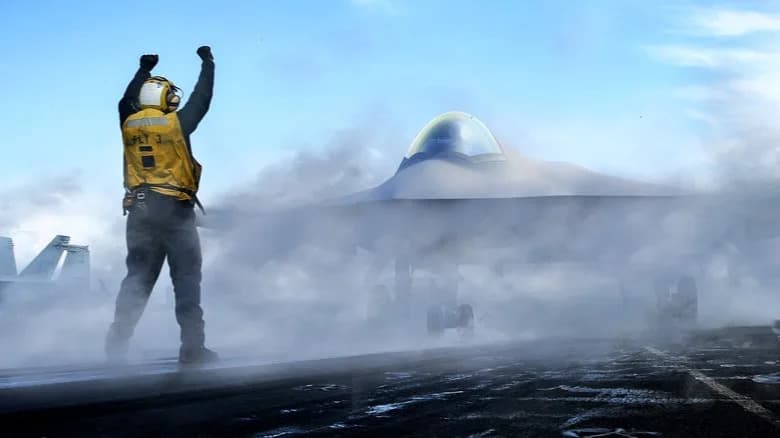
On September 29, 2026, the Department of Defense (DoD) and the U.S. Navy awarded a $20 billion production contract to Boeing to build the next-generation F/A-XX fighter. The award advances the program into an active development and prototype production phase, with Boeing contracted to produce multiple test aircraft to validate flight performance, sensors, weapons integration, and carrier compatibility.
Acting Secretary of the Navy Hung Cao called the contract a major milestone for naval aviation:
The sixth-generation fighter is a generational leap in air superiority and will provide the world's best aviators with unparalleled capabilities to fight, win, and come home safe.
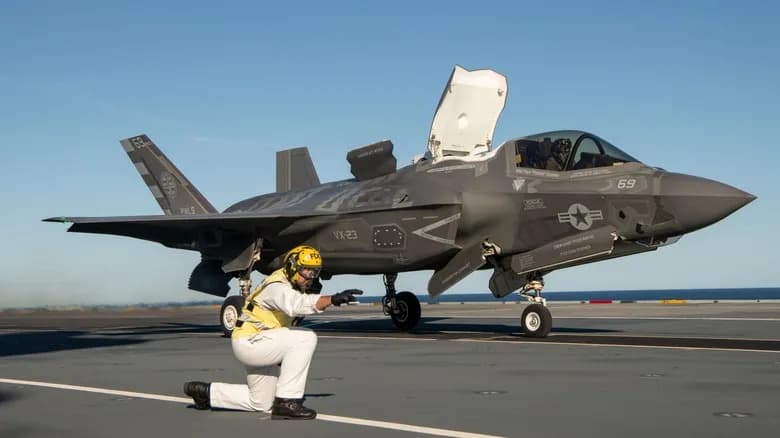
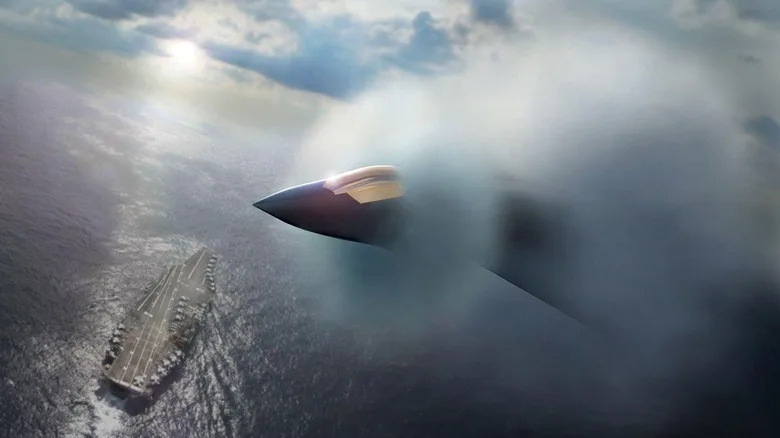
The F/A-XX is being designed as a carrier-capable, multi-mission platform intended to replace the Navy's EA-18G Growlers and F/A-18E/F Super Hornets beginning in the 2030s. It is also intended to operate alongside the F-35C Lightning II and future Collaborative Combat Aircraft (CCA), complementing — not immediately supplanting — existing fifth-generation capabilities in the carrier air wing.
Boeing/Defense Index/X
Many technical specifics and advanced capabilities remain classified; the government tightly controls disclosure even as procurement milestones are announced under Congressional oversight. With Boeing now under contract, the program will enter a rigorous testing-focused phase that includes full-envelope flight testing, integration with carrier systems, evaluation of electronic warfare and strike modes, and interoperability trials with other platforms.
Why it matters: If development proceeds as planned, the F/A-XX will consolidate strike and electronic-warfare missions now performed by Super Hornets and Growlers, while extending carrier-based power projection with improved sensors, connectivity, and survivability.
Timelines for initial deliveries have not been specified; the program envisions phased introduction during the 2030s as prototypes and test results inform final production and deployment decisions.
Help us improve.