Summary: Boeing has been awarded the Navy's F/A-XX development contract, adding to its 2025 award for the Air Force's F-47 program. Both development contracts exceed $20 billion and aim to field sixth‑generation crewed fighters that can team with uncrewed Collaborative Combat Aircraft under the NGAD initiative. Funding and industrial capacity are contentious issues, but Boeing says major facility investments and workforce planning position the company to deliver both programs.
Boeing Wins Navy F/A-XX Contract — Now Leads Two $20B+ Next‑Gen Fighter Programs

F/A-XX Award Gives Boeing Control of 2 Next-Gen Fighter Programs
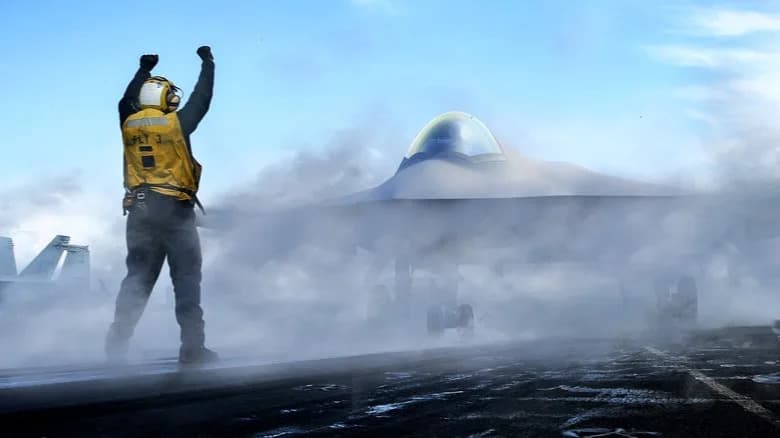
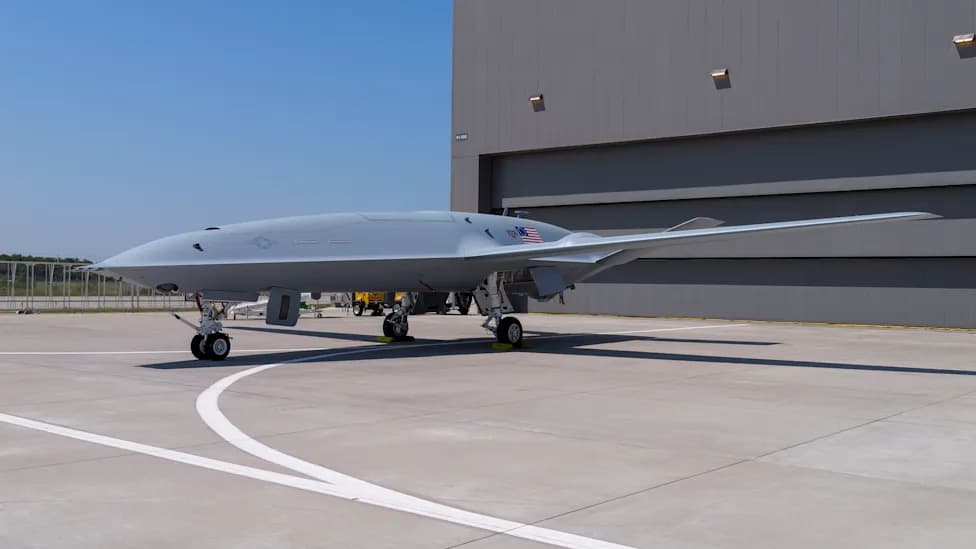
The Pentagon this week announced that Boeing will develop the U.S. Navy's F/A-XX carrier-based fighter, placing the company at the center of two major next-generation fighter efforts alongside the Air Force's F-47 program. Both full-scale development contracts are valued at more than $20 billion, and both programs aim to field crewed sixth‑generation fighters that can team with uncrewed systems in the 2030s.
Program Overview
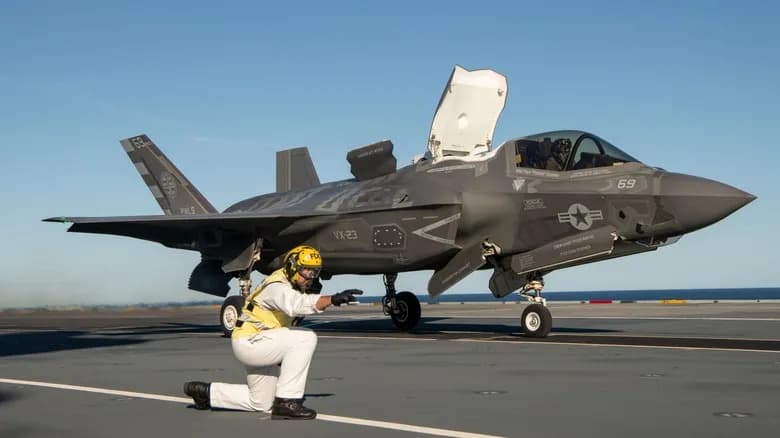
In 2025 Boeing won the Air Force's sixth-generation F-47 program contract, intended to replace the F-22 Raptor; the Air Force is targeting a first flight around 2028 and a combat range near 1,000 nautical miles. The Navy's F/A-XX is intended to replace carrier-based F/A-18E/F Super Hornets and EA-18G Growlers, which are tentatively slated for retirement in the 2030s.
Key Capabilities
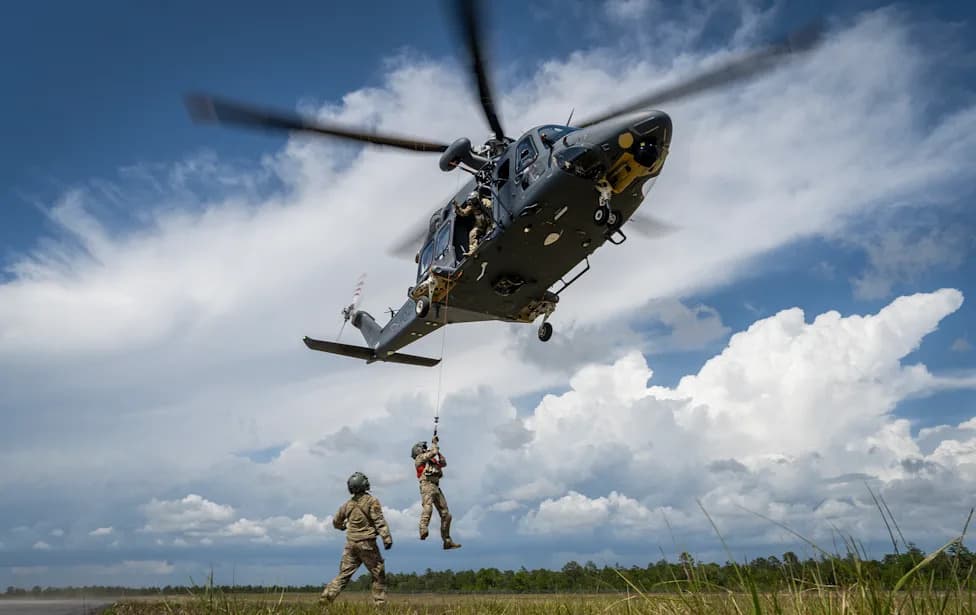
The Pentagon says the F/A-XX will extend the operational reach of carrier air wings, with the Navy seeking roughly a 25% range improvement for its fighters. Crucially, the F/A-XX is being designed to work as a node in a mixed force of crewed jets and uncrewed Collaborative Combat Aircraft (CCA). The Navy is currently exploring CCA options under separate contracts with Boeing, General Atomics, Anduril, and Northrop Grumman.
How F/A-XX Fits Into NGAD
Both the sixth-generation crewed fighters and the CCAs are elements of the Navy's Next Generation Air Dominance (NGAD) initiative, which aims to field distributed, networked formations of crewed and uncrewed systems. The Pentagon says the F/A-XX will "increase the capability of every CCA it teams with," enabling greater reach, survivability, and operational flexibility in contested airspace.
Funding, Capacity And Political Context
Although the Navy has emphasized the long‑term importance of F/A-XX, near‑term funding requests from the service have been modest. For FY2026 the Navy requested about $74 million for the program but congressional appropriations increased that figure to roughly $1.7 billion; for FY2027 the Navy requested roughly $140 million and Congress raised the allocation to about $915 million. By comparison, the F-47 program received nearly $3.5 billion in FY26, and the Pentagon sought roughly $5 billion for FY27. The Air Force plans for about 200 F-47 aircraft.
Production capacity and program funding have been recurring concerns. Lawmakers and defense officials have debated pacing and industrial base implications for having one prime contractor lead both programs, and whether the supply chain and workforce expansions will keep pace with development and eventual production demands.
Boeing's Response And Industrial Preparations
Boeing says it planned from the outset to develop multiple next‑generation fighter families in parallel and has invested heavily in facilities and talent to do so. "Delivering two advanced fighters in parallel was always our plan, and we invested accordingly," said Steve Parker, president and CEO of Boeing Defense, Space & Security. The company is expanding its St. Louis complex, describing the project as one of the largest secure manufacturing facilities in the U.S. to support next‑generation fighter production.
What Remains Classified Or Undetermined
Many technical and programmatic details for the F/A-XX remain classified. The service has not disclosed a formal aircraft designation, exact range figures for the F/A-XX, detailed timeline milestones beyond long‑range targets, or full procurement quantities. Future production contracts will determine the scale and cadence of manufacturing for operational aircraft designed to complement the Navy's F-35Cs.
Michael Duffey, Under Secretary of Defense for Acquisition and Sustainment, said the sixth‑generation fighter will "dominate contested airspace, extend operational reach, and deliver a decisive combat advantage for the warfighter."
Next Steps
Full‑scale development is under way. Over the coming years expect a mix of classified demonstrations, DOT&E or equivalent testing, and incremental congressional budget decisions that will shape the programs' schedules and procurement profiles. Industry watchers will also track Boeing's facility build‑out, supplier health, and any emerging technical milestones or setbacks.
Help us improve.