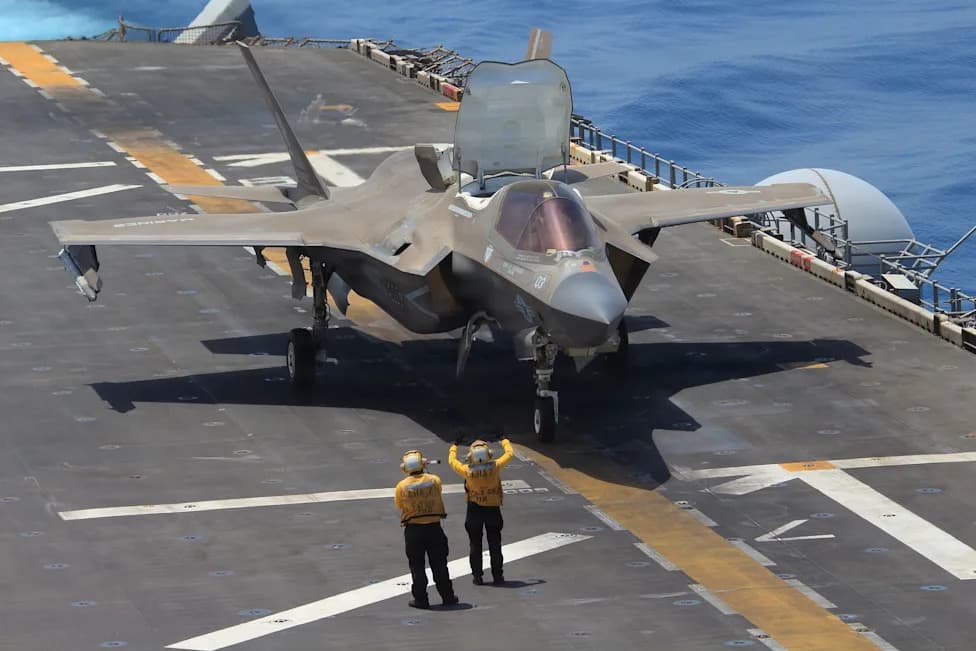
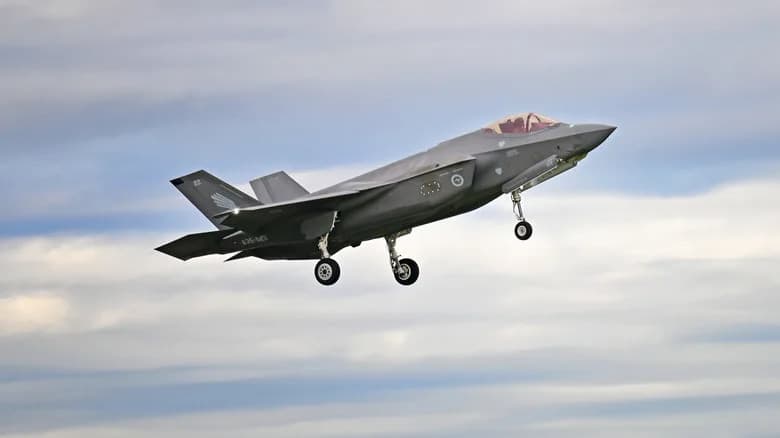
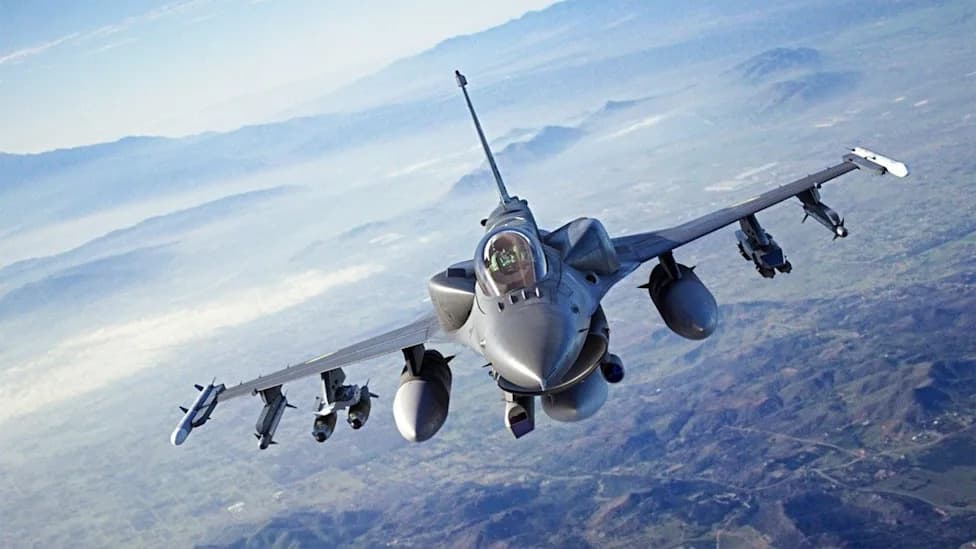
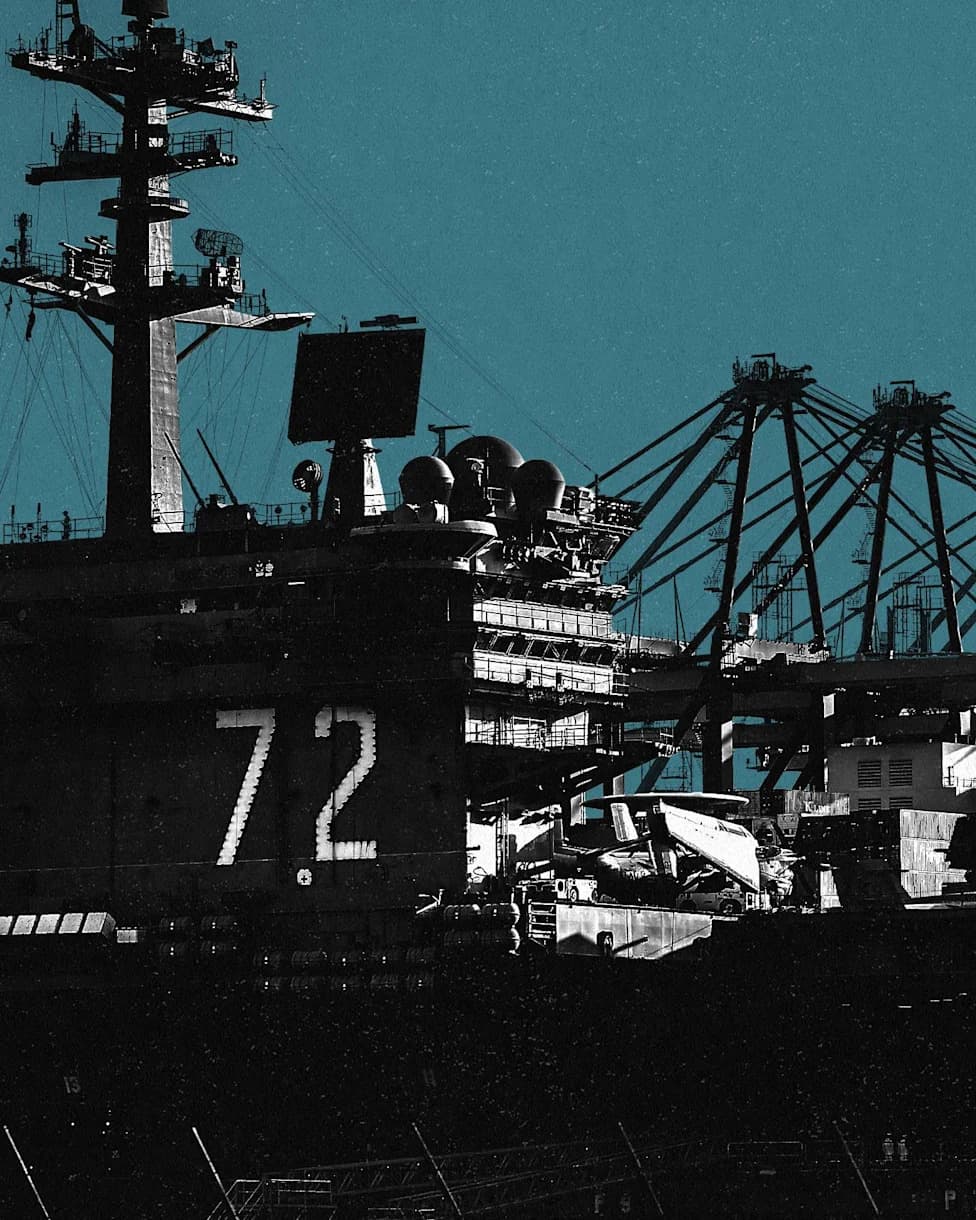
The Marines fly the F‑35B rather than the F‑22 because of cost, capability, and mission fit. The F‑22 is an expensive, limited‑production air‑dominance fighter (about $369.5M per jet) that lacks STOVL capability. The F‑35B, at roughly $121.4M per aircraft, was redesigned to provide STOVL and multi‑role support for expeditionary Marine operations. Transferring or producing Raptors for the Corps would be costly and politically difficult.
Why the Marines Fly the F‑35B — Not the F‑22: Cost, Capability, and Expeditionary Needs
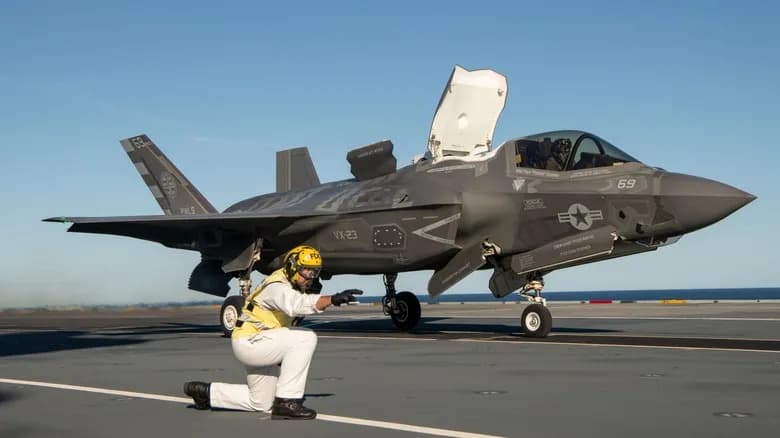
U.S. Navy/Wikimedia Commons
The United States military fields many combat aircraft, but each branch chooses platforms that fit its mission. The Marine Corps operates the F‑35B Lightning II while the F‑22 Raptor remains an Air Force-only asset. That separation reflects differences in cost, capability, mission requirements, and logistics rather than any shortcoming of either jet.
Cost and Availability
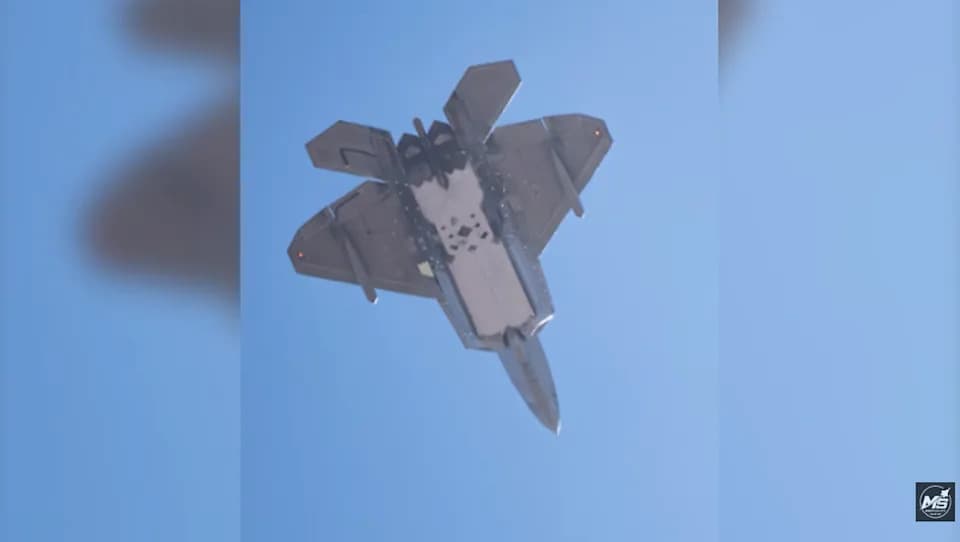
Development and procurement of the F‑22 proved extremely expensive: lifecycle and per-aircraft cost estimates put a single Raptor at roughly $369.5 million. Production was halted early, leaving fewer than 200 aircraft built and about 184 still in service. By contrast, the F‑35B comes in at a lower per-aircraft cost (around $121.4 million) and was produced in much larger numbers, making it more affordable and easier to sustain for a second service branch.
Different Mission Sets
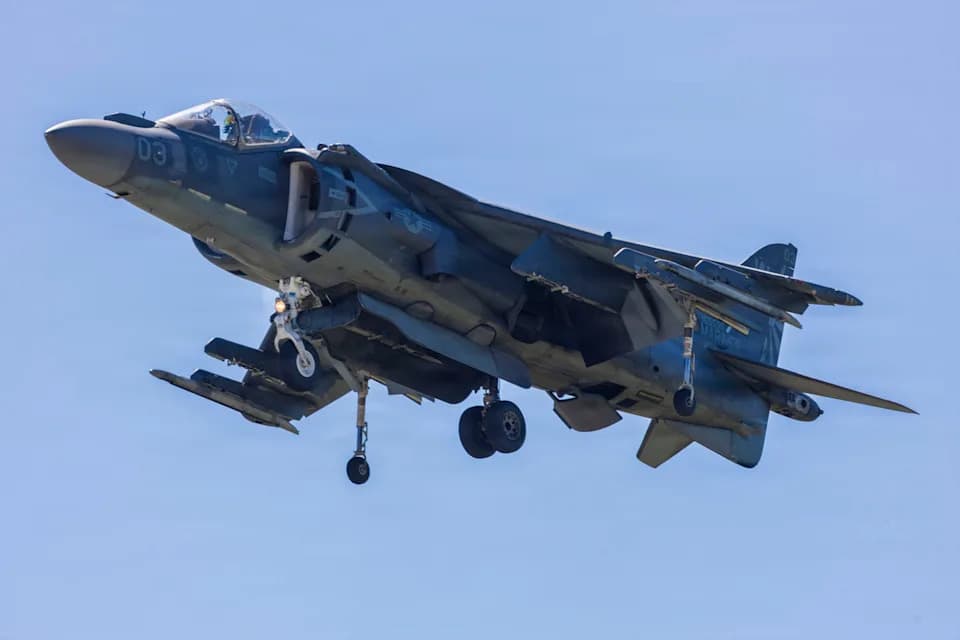
The F‑22 was designed as an air‑dominance fighter optimized for stealthy, high‑end air‑to‑air combat. The Marine Corps, however, prioritizes expeditionary, multi‑role aircraft that can provide close air support, ground attack, electronic warfare support, and strike missions in forward or austere environments. The F‑35B was developed with those requirements in mind.
wz94/Shutterstock
STOVL Capability Matters
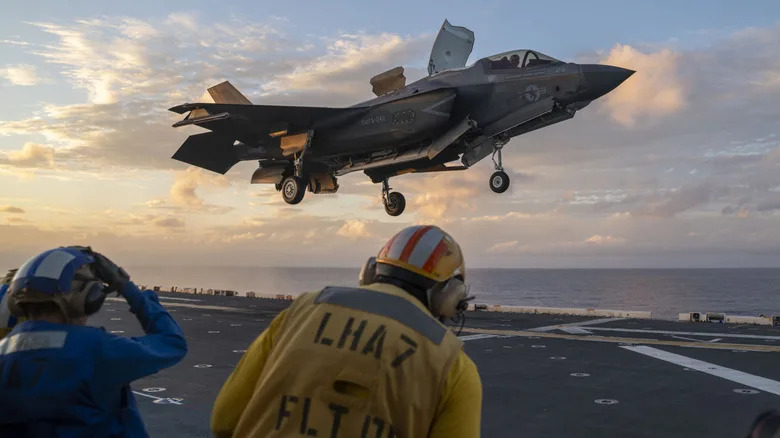
Crucially, the Marines need STOVL (short takeoff and vertical landing) capability to operate from amphibious ships, austere shore sites, and improvised bases. The F‑22 lacks STOVL functionality, whereas the F‑35B is the only F‑35 variant engineered to perform short takeoffs and vertical landings — a capability that required a significant redesign to meet Marine requirements.
Logistics, Training, and Political Constraints
Adopting the F‑22 for Marine use would mean transferring scarce airframes plus support equipment, simulators, and maintenance infrastructure from the Air Force — a costly and disruptive step. Restarting F‑22 production to supply another service would require congressional approval and substantial funding, an unlikely prospect given budget priorities.
Bottom Line
The Marine Corps chose the F‑35B because it delivers the right mix of affordability, multi‑role capability, and STOVL performance for expeditionary operations. The F‑22 remains unmatched for air dominance, but its role and constraints make it a better fit for the Air Force than for Marine aviation.
Help us improve.