The U.S. Navy awarded Boeing a $562 million LRIP contract to start production of the MQ-25A Stingray unmanned tanker. The award buys three Lot 1 aircraft and funds parts for three Lot 2 jets, with initial deliveries targeted for 2029. The MQ-25A is designed to offload at least 14,000 pounds of fuel over 500 nautical miles to free F/A-18 Super Hornets for strike missions. Pentagon reporting cites technical risks and a Boeing union strike as key contributors to schedule slips that shifted IOC to 2029.
US Navy Awards $562M Contract to Boeing for First MQ-25A “Stingray” Production — Unmanned Carrier-Based Tanker Headed for 2029 Deliveries
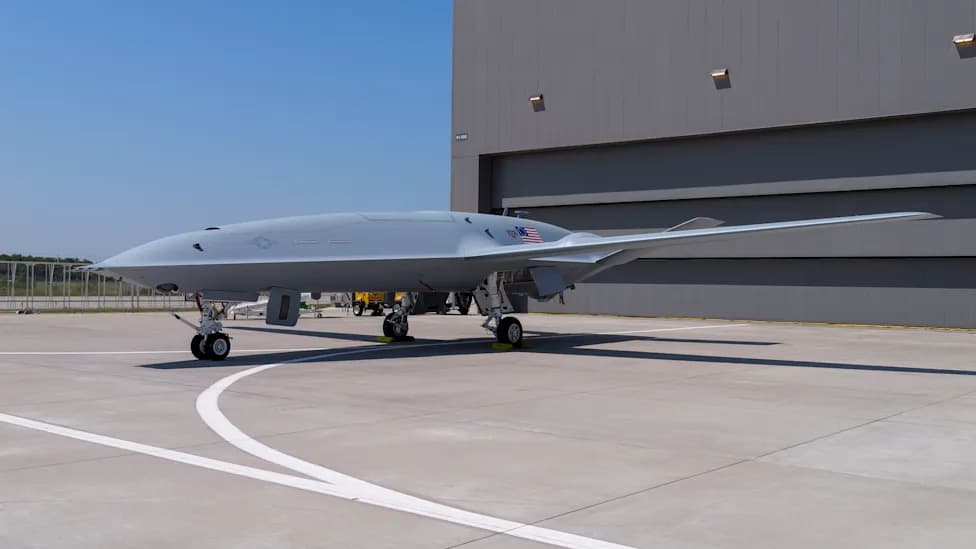
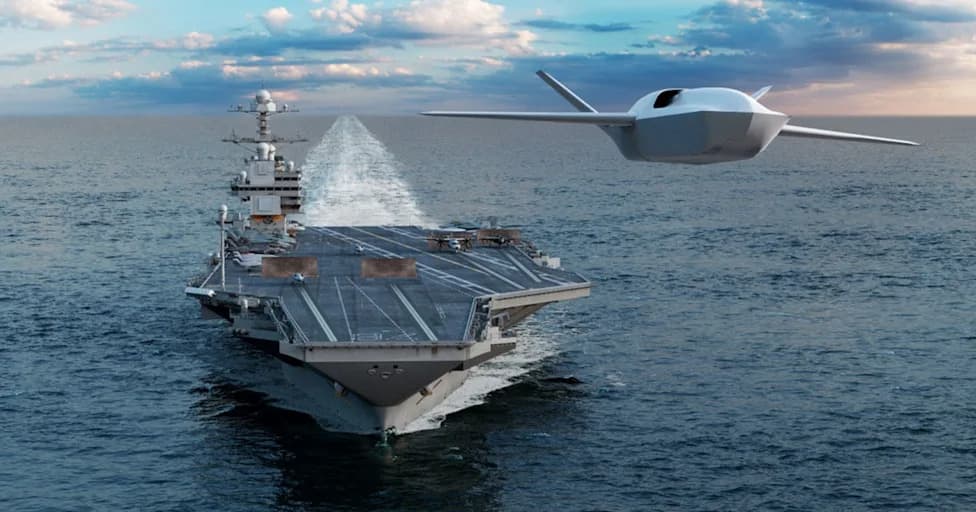
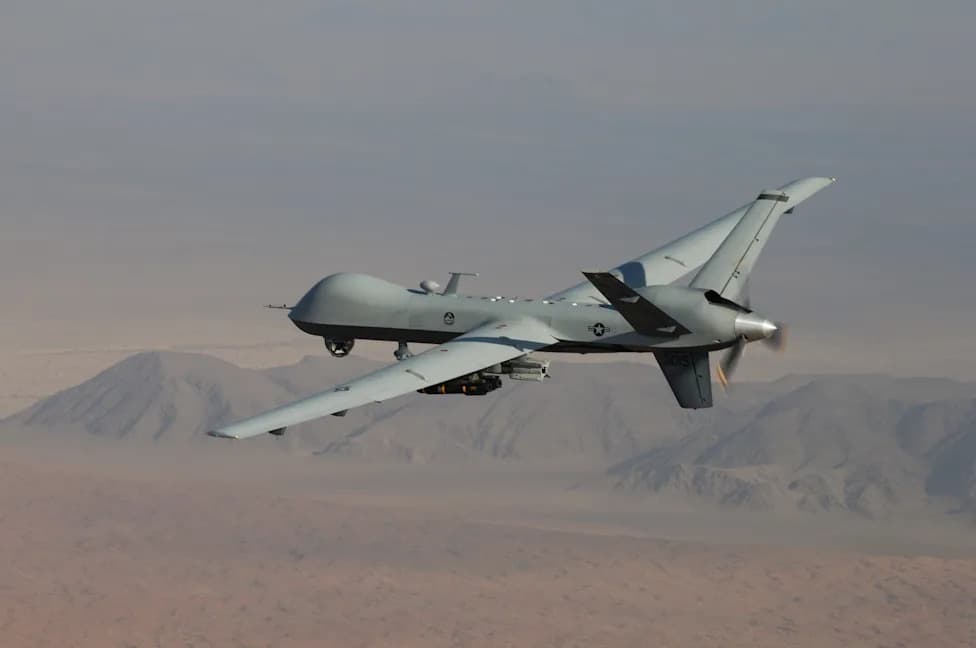
Boeing's MQ-25A Stingray. (U.S. Navy)
The U.S. Navy has awarded Boeing a $562 million fixed-price incentive contract to begin Low Rate Initial Production (LRIP) Lot 1 of the MQ-25A Stingray unmanned aerial refueling tanker, the Navy announced. The award formally starts the first production run of what will become the Defense Department's first unmanned tanker and the Navy’s first operational carrier-based unmanned aircraft.
What the Contract Covers
The Lot 1 LRIP contract procures three MQ-25A aircraft and includes additional funding for parts to support three Lot 2 aircraft. Initial Lot 1 deliveries are scheduled for 2029. The program of record still calls for 67 operational MQ-25As and nine test aircraft.
Role and Performance
The Stingray is designed to extend the range and service life of the Navy’s F/A-18 Super Hornets by assuming aerial refueling duties, allowing manned fighters to prioritize strike missions. According to an August report from the Government Accountability Office, the MQ-25A is expected to offload at least 14,000 pounds of fuel over a distance of roughly 500 nautical miles, a capability comparable to the Super Hornet’s fuel-offload capacity.
Testing, Schedule, and Risks
The Navy recorded its first successful Stingray test flight on April 25 (reported in 2026) and plans to continue flight testing through the end of the year. The Pentagon’s April 2026 Modernized Selected Acquisition Report cited technical risks and delays — including impacts from a Boeing union labor strike — that pushed the estimated initial operational capability (IOC) to 2029, about four years later than originally planned.
Program Evolution
The MQ-25 program followed a complex development path. Initially conceived as a stealthy intelligence, surveillance, reconnaissance and strike platform under the Unmanned Carrier Launched Airborne Surveillance and Strike (UCLASS) concept, the program’s scope was narrowed after Pentagon and GAO reviews. By 2016, the Navy refocused the effort on a carrier-based unmanned aerial refueling mission to meet more immediate operational needs.
Operational Support
In a related milestone, the acquisition report noted that in March the aircraft carrier USS Theodore Roosevelt became the first carrier fitted with an Unmanned Air Warfare Center configured to support MQ-25A operations, underscoring the Navy’s move to integrate unmanned tanking capability into carrier strike group operations.
Bottom Line: The contract marks a major step toward fielding an operational carrier-based unmanned tanker, but schedule and technical risks remain that will shape the program’s pace toward IOC in 2029.
Help us improve.