Autumn Daniels waited about four hours vomiting in a hospital waiting room after a brief nursing intake and never saw a physician, yet later received a $410 bill that her insurer denied. HealthLink said the plan excludes coverage when patients leave against medical advice; Carle said ED visits may be charged once care — including registration or triage — begins. Experts note triage prioritizes immediate risk of death or serious harm over pain severity. Advocates recommend asking billing staff before leaving, requesting records, reviewing your EOB, and appealing denials.
Waited Four Hours Vomiting, Then Got a $410 ER Bill: One Patient's Fight Over Triage Charges

Photo Credit: iStock
Autumn Daniels, 32, says she spent roughly four hours vomiting in a hospital waiting room after a brief nursing intake — and later received a $410 emergency department bill even though she never saw a physician.
Daniels went to Carle Foundation Hospital in Urbana after an urgent care doctor advised emergency treatment if a Toradol injection did not relieve a migraine that had lasted a week. She says staff checked her pulse, temperature and blood pressure, asked a few questions about her migraine history, and sent her back to the waiting area. After about four hours without further treatment, she left and was driven to another hospital, where she says she was evaluated after roughly 90 minutes and received medication.
Billing And Coverage Dispute
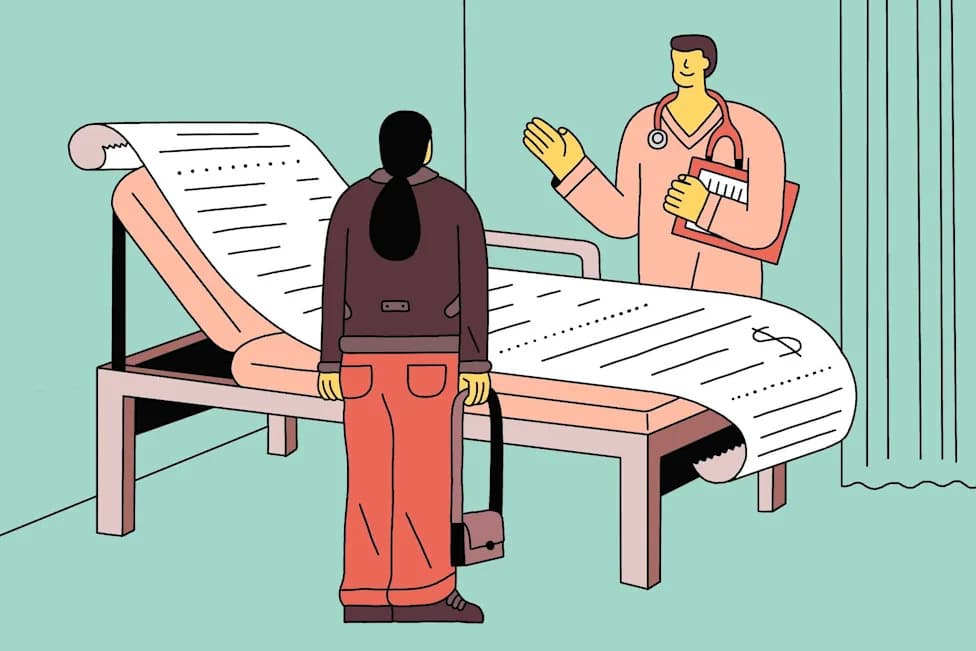
Carle Health billed Daniels $410 under an "Emergency Room Level 1" designation (CPT code 99281). Her insurer, HealthLink, denied the claim, saying Daniels’ plan excludes coverage for visits in which a patient leaves the facility against medical advice. Carle confirmed to Daniels by email that, effective March 1, 2026, Emergency Department visits "may result in charges even if you are not seen directly by a provider," and that an ED visit is considered to begin "as soon as care is initiated," which can include registration and a nursing assessment.
Questions About The Charge
The billing raised questions because the American Medical Association's CPT guidance states that triage alone is not an evaluation-and-management (E/M) service and therefore should not be billed with an E/M code. An AMA spokesperson said the hospital likely consolidated a provider-billed charge with a facility fee, so the total could reflect overhead and operational costs rather than hands-on physician care.
"ER triage is driven by risk of death or serious harm, not by level of suffering," said Dr. Jennifer Robblee, a neurologist at the Barrow Neurological Institute. "Migraine patients without red flags are unlikely to be prioritized, as they are not at immediate risk of dying."
What Patients Can Do
Patient advocates say steps to reduce the risk of surprise bills include asking registration or billing staff about potential charges before leaving, calling your insurer to confirm coverage rules for visits where no provider is seen, and requesting medical records if billing staff cannot explain a charge. Review the insurer's explanation of benefits (EOB) to see what was billed and denied, and consider filing an appeal — "It's always going to be a no if you don't appeal," advised Amber Padron, assistant director of case management at the Patient Advocate Foundation.
- Ask At The Desk: Ask billing/registration whether the visit will generate charges if you leave before seeing a provider.
- Get Documentation: Request medical records and itemized bills to understand what was billed and why.
- Check Your EOB: Review your insurer's explanation of benefits for details on denials and patient responsibility.
- Appeal If Needed: File an appeal with your insurer if coverage is denied — many denials are overturned on appeal.
This case highlights broader problems in emergency care: long waits, triage systems that deprioritize severe pain absent red flags, and confusing billing practices that can leave patients facing unexpected costs even when they leave before seeing a physician.
Help us improve.