The Commonwealth Fund found that nearly one-third of privately insured adults ages 19–64 have unpaid medical bills, and almost half of those repaying debt owe $2,000 or more. Routine care and high deductibles—not just catastrophic events—are common drivers. Rising employer health costs and the end of some ACA subsidies may worsen the problem. The study also found that 30% cut essentials and 37% tapped savings to pay medical bills.
Why Health Insurance Often Fails To Prevent Medical Debt

—Prapass Pulsub—Getty Images
Many people buy health insurance expecting protection from catastrophic events—car crashes, cancer and other serious illnesses that can produce enormous bills. Yet holding a policy does not always shield families from financial strain.
A survey released Sept. 17 by the Commonwealth Fund found that nearly one-third of privately insured adults ages 19–64 carry unpaid medical bills or medical debt. Among those actively paying down debt, almost half owe $2,000 or more.
What Drives Medical Debt Among the Insured
Researchers say medical debt often stems from routine care—doctor visits, treatments for chronic conditions—and from high deductibles that leave patients responsible for large out-of-pocket costs. "People accumulate charges from ordinary care that build up over time," says Sara R. Collins, a senior scholar at the Commonwealth Fund and a co-author of the report.
The study is based on interviews with a nationally representative sample of more than 6,300 adults conducted in 2025 and includes focus-group discussions in which participants described being surprised by large bills despite having insurance.
Broader Trends That Could Worsen the Problem
- Employer health benefit costs per employee are projected to rise 8.2% in 2027, the largest increase since 2003, according to a Marsh survey; some employers said they may reduce plan generosity and shift more costs to workers.
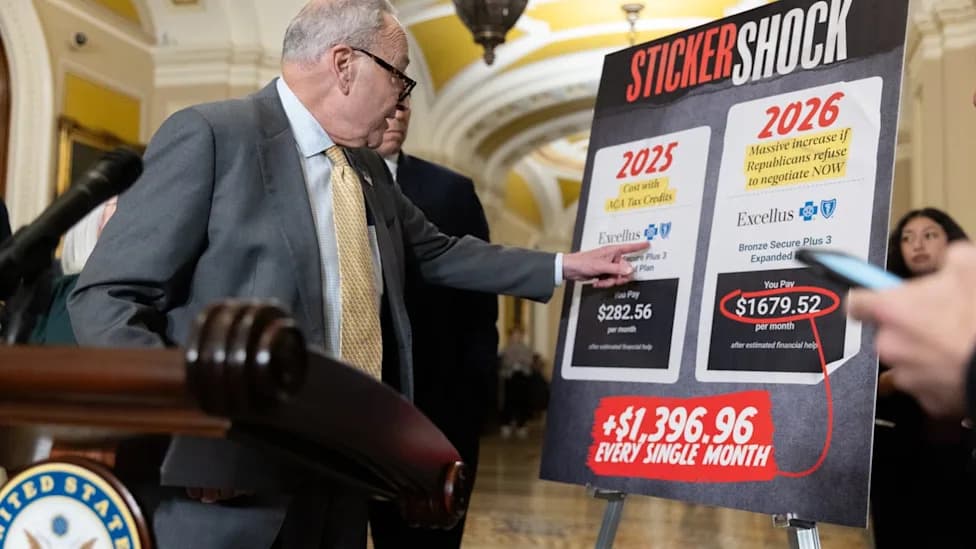
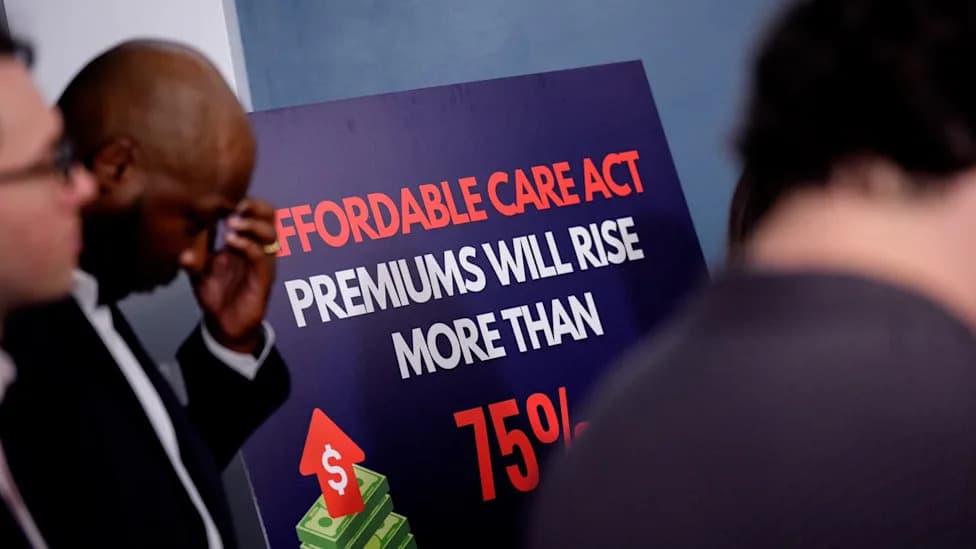
- Congress declined to renew subsidies for people purchasing coverage on Affordable Care Act exchanges; many consumers moved into lower-value plans that leave them exposed to higher costs if they face catastrophic or chronic illness, per analysis from the Center on Budget and Policy Priorities.
Financial And Health Consequences
The Commonwealth Fund found that 30% of respondents cut back on essentials such as food, heating or rent to afford care, and 37% of those with medical debt used part or all of their savings to pay medical bills. Once people fall into medical debt, many delay or avoid further care—sometimes resulting in costlier emergency treatment later.
"There is a huge fear among people in our focus groups of having their credit scores ruined by medical debt," Collins said.
Policy Responses
Fifteen states have enacted laws limiting how medical debt is used in lending decisions and how it appears on credit reports. At the federal level, the Consumer Financial Protection Bureau finalized a rule intended to keep medical debt off credit reports and out of credit decisions, but a federal court vacated that rule in July 2025.
As health costs rise and subsidies change, experts warn the share of insured Americans with medical debt may increase unless policymakers and employers take steps to reduce out-of-pocket exposure and strengthen consumer protections.
Help us improve.