The Blue Cross Blue Shield Association finds AI-driven billing tools may have raised inpatient hospital spending by about $942 million from 2023–2025, mostly driven by secondary diagnoses flagged by software rather than by more intensive treatment. Roughly $650 million of the increase is linked to those secondary diagnoses. The report urges closer oversight, while advising patients to review EOBs and request itemized bills.
AI Billing Tools Tied to $942M in Higher Hospital Spending — Without More Care

Photo Credit: iStock
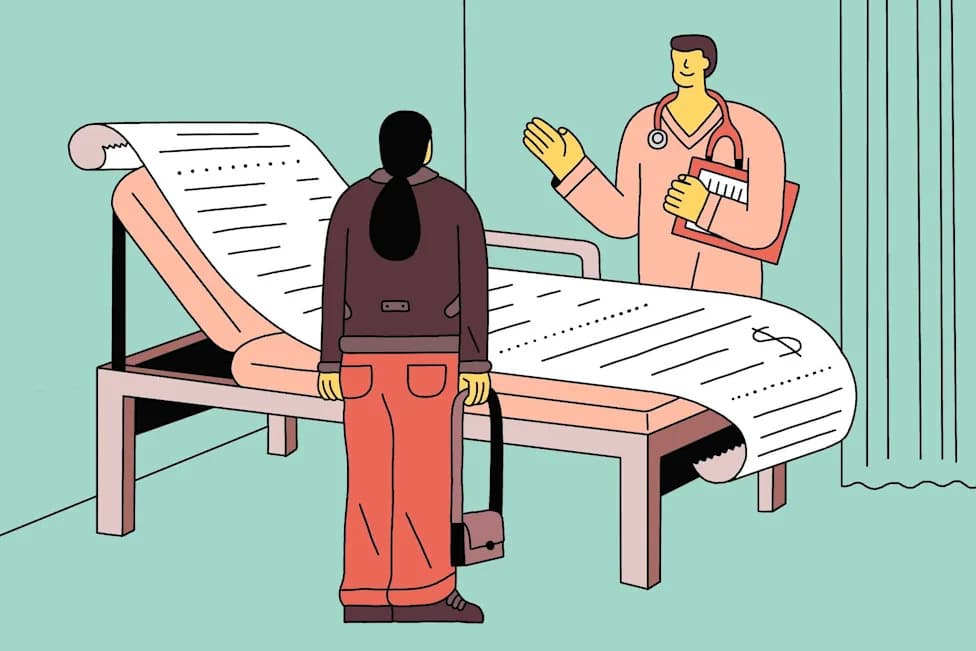
A new analysis by the Blue Cross Blue Shield Association suggests that artificial intelligence tools used for hospital billing have driven up inpatient spending by about $942 million between 2023 and 2025 — even though patients did not receive noticeably more intensive treatment.
Key Findings
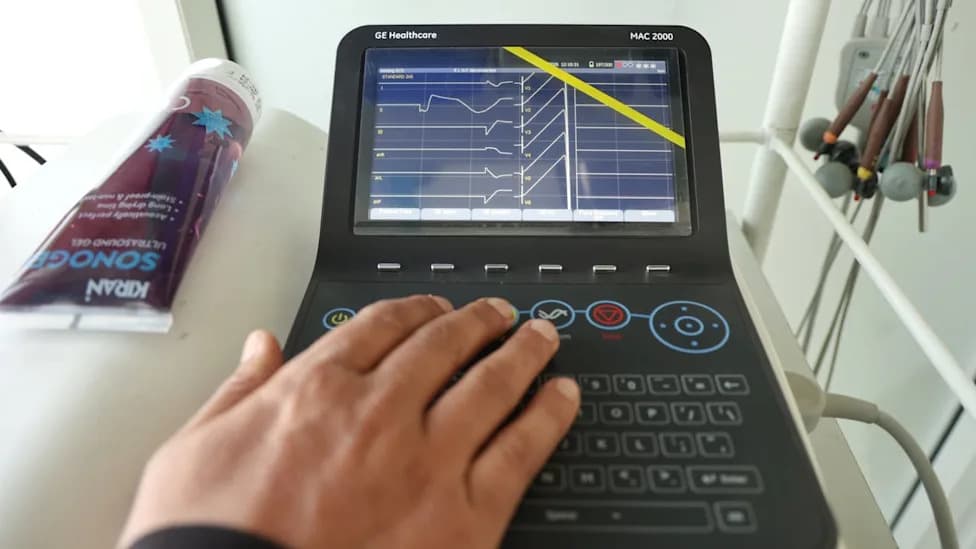
The association's review focused on de-identified inpatient claims from member companies that together cover roughly one in three Americans. Researchers estimate that roughly 70% of the additional $942 million — more than $650 million — came from secondary diagnoses flagged by AI-driven coding tools. More than 60% of U.S. hospital systems now use AI to scan lab results and electronic health records for those additional diagnoses, the report says.
How AI May Be Raising Costs
According to the analysis, AI systems can scan patient records and identify secondary or comorbid conditions from a single lab value or note. When a claim is reclassified into a higher-reimbursement category because of one of those secondary diagnoses, insurers pay more even if clinicians did not alter the course or intensity of care.
Luke Chalker, senior vice president of product and data science at Blue Cross Blue Shield Association: If patients are truly sicker, we'd expect to see more treatment. The disconnect between diagnoses and treatment suggests that AI is identifying more billable conditions, not sicker patients.
Examples From The Report
- Between Q1 2023 and Q4 2025, recorded diagnoses of partial intestinal blockages rose 55% while treatment rates remained flat.
- During the same period, diagnoses described as 'acid overload' rose 33% without a corresponding rise in treatment.
Consequences And Responses
Higher payments to hospitals can ripple outward as increased insurance premiums, higher employer healthcare costs, and larger out-of-pocket bills for patients. The association is urging closer scrutiny of coding software and consideration of reimbursement guardrails to ensure payments reflect actual clinical need.
Patients can take steps to protect themselves by carefully reviewing explanations of benefits (EOBs), requesting itemized hospital bills, and asking hospitals or providers to explain diagnoses that affect charges. Employers and insurers may respond with audits that compare diagnosis patterns to actual treatment — a way to detect whether documentation changes reflect real clinical conditions or simply increase payments.
David Merritt, senior vice president of external affairs at Blue Cross Blue Shield Association: As families face higher healthcare costs, this research underscores the urgent need to better understand these AI tools and the role they may play in exacerbating the affordability crisis.
Broader Context
Questions about AI in billing are part of a wider shift across health care: regulators and lawmakers are debating how to limit purely automated claim denials, researchers are testing AI diagnostic tools and chatbots, and infrastructure demands for AI (data centers, power) are prompting policy and environmental scrutiny.
Bottom line: The analysis does not prove intent to game the system, but it raises red flags about whether current billing rules and oversight keep pace with AI tools that change how diagnoses are documented and reimbursed.
Help us improve.