Dateline correspondent Blayne Alexander interviewed survivor Dana Beatty about a brutal sexual assault from more than 30 years ago. Modern forensic genetic genealogy linked original DNA evidence to a suspect, but statutes of limitation prevented prosecution. Beatty went public to push for repeal of time limits on rape prosecutions and to encourage other potential victims to come forward.
Dateline Reopens Cold Rape Case: DNA Breakthroughs Clash With Statutes Of Limitation
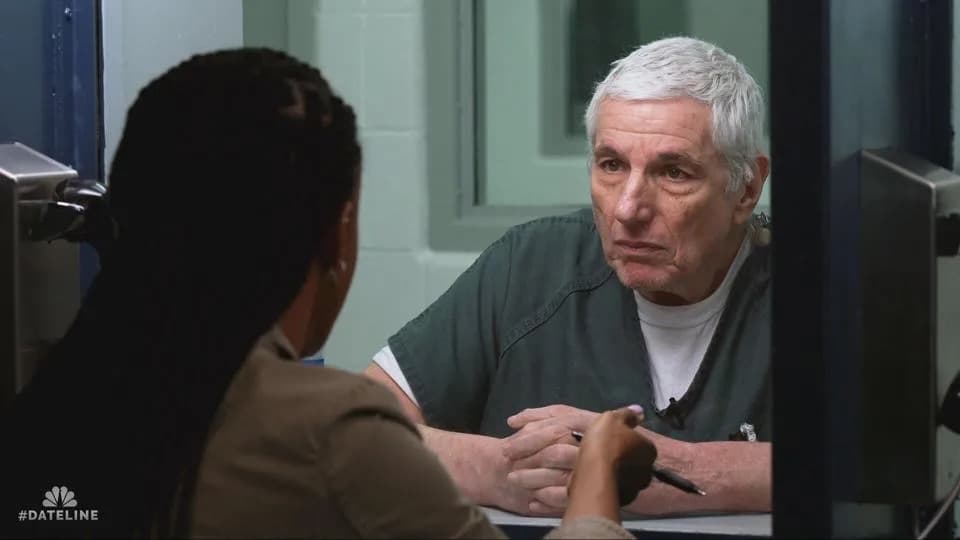
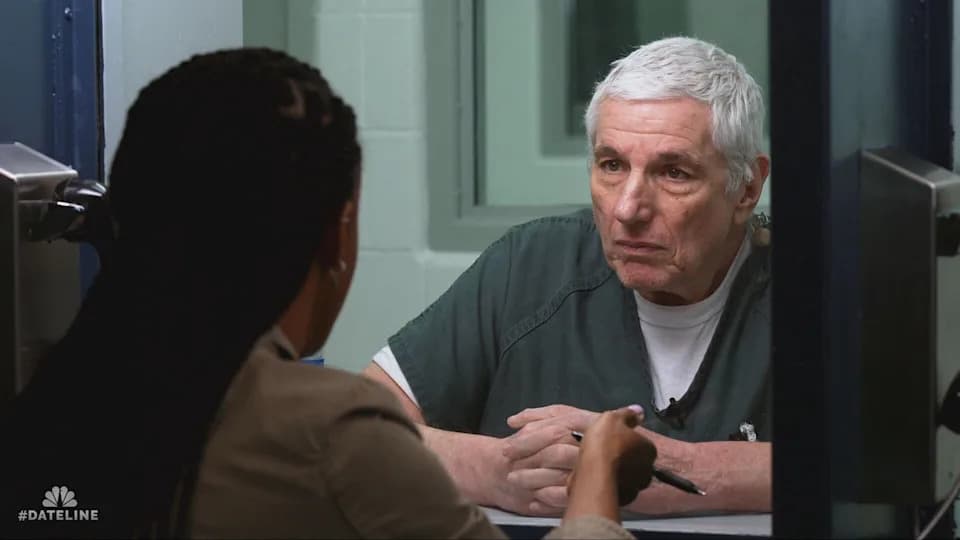
'Dateline' correspondent Blayne Alexander during a jailhouse interview with Fred TanzerLiam Dahlborn (NBCUniversal)
Dateline correspondent Blayne Alexander conducted a rare, in-person interview with sexual assault survivor Dana Beatty about a brutal attack she survived more than 30 years ago. The episode, titled "Unmasking the Monster," explores how modern forensic techniques can identify suspects long after crimes are committed — and how existing laws can still block prosecution.
From Cold Case To New Leads
Detectives collected DNA evidence during the original investigation in the late 1980s and early 1990s, but at that time forensic technology was limited and the sample did not produce an arrest. Retired Cincinnati Police detective Charlie Beaver described the repeated dead ends investigators faced while trying to identify a suspect.
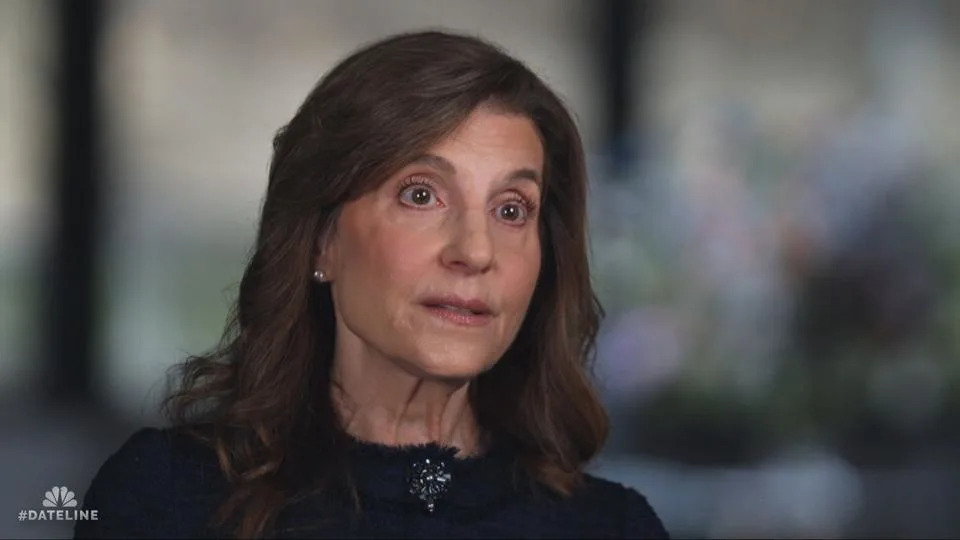
Sexual assault survivor Dana Beatty told her story to 'Dateline' correspondent Blayne Alexander
Modern Science, Old Legal Limits
Years later, investigators re-examined the original DNA using modern methods, including forensic genetic genealogy, and linked the sample to a suspect identified as Fred Tanzer. However, because of statutes of limitation in the relevant jurisdiction, prosecutors were barred from bringing rape charges against him.
"The things that they're able to do now with DNA evidence would have been complete science fiction to the detectives who were working back in 1989, 1990," Alexander says.
Why Beatty Spoke Out
Beatty agreed to speak publicly not only to tell her story but to press for legal change. She wants statutes of limitation for rape eliminated so survivors can seek justice when new evidence emerges decades later. She also hopes her interview will encourage any additional victims to come forward.
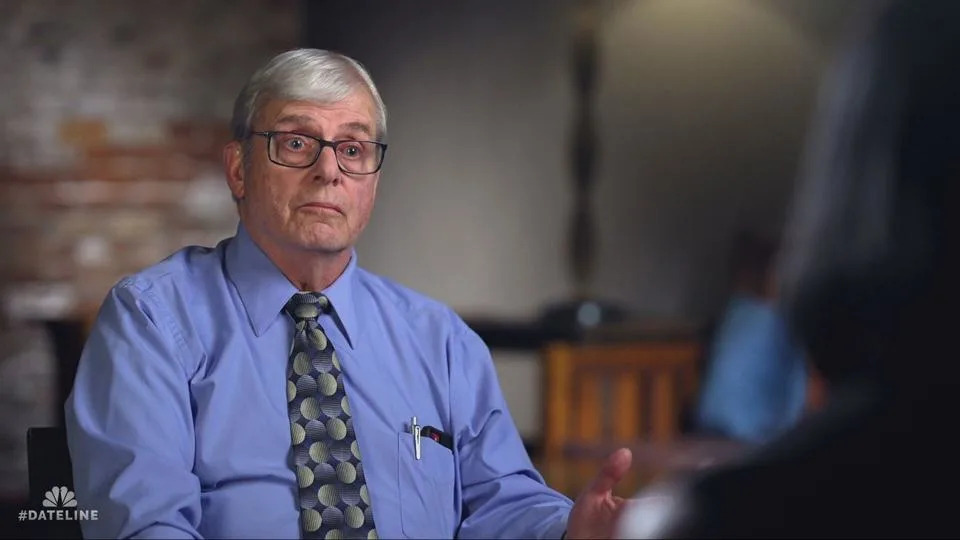
Retired Cincinnati Police Detective Charlie Beaver told 'Dateline' about the frustrations and dead ends he ran into trying to identify a suspect in the case.
Responsible Storytelling
Alexander and the Dateline production team intentionally limited graphic details in the broadcast. Although Beatty recounted her experience in painful detail during interviews, the team focused on conveying the severity of the attack without gratuitous description. "A large percentage of what she told us, we could not put on TV because it was very graphic and very detailed," Alexander said.
The Dateline investigation "Unmasking the Monster" airs Friday night on NBC and examines both the promise of modern DNA methods and the legal barriers that can prevent those advances from delivering justice.
Help us improve.