Students at Colorado State University are circulating alerts about cychlorphine, an emerging synthetic opioid increasingly detected in fatal overdoses since late 2025. Federal reports link cychlorphine to 225 law-enforcement encounters across 19 jurisdictions and at least 55 U.S. deaths as of early 2026. The DEA has issued advisories and temporarily placed cychlorphine into Schedule I; standard fentanyl test strips won’t detect it and naloxone may require repeated doses in severe cases.
New Synthetic Opioid 'Cychlorphine' Sparks Warnings Among Colorado Students — Labs, DEA Raise Alarms

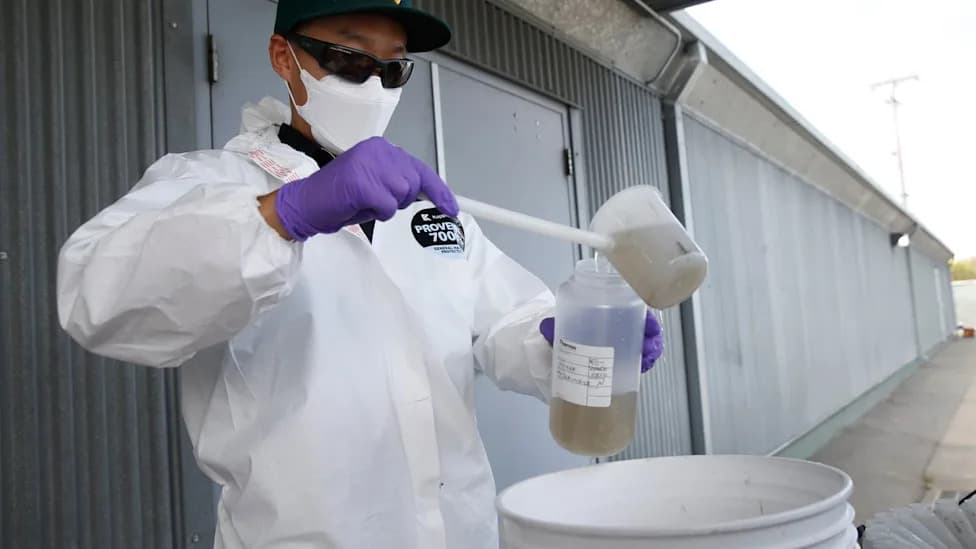
Image Credit: NBC News / YouTube.
Students at Colorado State University have been sharing warnings about a little-known synthetic opioid called cychlorphine, prompting renewed concern on campus about contaminants in illicit drugs. While the Drug Enforcement Administration’s Rocky Mountain Division says it has not yet detected cychlorphine in Colorado, the compound has appeared in multiple toxicology and law-enforcement reports elsewhere in the U.S.
What Is Cychlorphine?
Cychlorphine (also reported as N-propionitrile chlorphine) is an emerging synthetic opioid that forensic researchers have increasingly detected in fatal overdose cases since late 2025. It has been described in laboratory studies as substantially more potent than fentanyl, but that potency estimate comes from in vitro pharmacology (laboratory receptor studies), not human dosing studies — meaning real-world potency and risk can vary.
Where It Has Been Detected
Laboratories and federal reporting show a growing footprint: the Center for Forensic Science Research and Education (CFSRE) reported cychlorphine in 25 blood specimens from fatal overdoses (it was the only opioid detected in 11 of those cases). Another lab has tentatively identified the compound in more than 100 toxicology cases.
An August notice in the Federal Register said cychlorphine had been confirmed in 225 law-enforcement encounters across 19 U.S. jurisdictions and was associated with at least 55 fatalities in the United States as of early 2026.
Federal Response and Criminal Cases
The DEA issued a nationwide public safety advisory in May warning that illicit fentanyl has sometimes been mixed with cychlorphine, nitazenes and other emerging substances, and that some overdoses involving these drugs may require repeated doses of naloxone. In August, federal officials temporarily placed cychlorphine and three related synthetic opioids into Schedule I of the Controlled Substances Act to address an imminent public-safety risk.
Investigations have already tied cychlorphine to criminal cases: in Oklahoma, two men pleaded guilty to distributing pills containing cychlorphine that were linked to a death; in San Francisco, a probe followed the April death of a 16-year-old whose toxicology included cychlorphine. Police later seized more than 20,000 suspected counterfeit pills in raids related to that investigation.
Testing Limitations And Public Health Guidance
Important practical points for the public and responders:
Fentanyl test strips do not detect cychlorphine. Those strips are designed to identify fentanyl, not every opioid or synthetic substance in the illicit supply. Specialized laboratory toxicology is often required to identify newer compounds.
Colorado health officials told FOX31 the state had not recorded an overdose death explicitly attributed to cychlorphine and noted that standard post-mortem toxicology panels may not include it unless specifically requested. That means cychlorphine could be present but unrecognized in some cases.
Because cychlorphine acts on opioid receptors, naloxone (Narcan) remains the recommended emergency treatment for suspected opioid overdoses. However, responders and bystanders should be aware that repeated doses of naloxone and urgent medical care may be necessary for severe overdoses involving potent synthetic opioids.
What Students And Community Members Should Know
- Appearance Is Not A Safeguard: Pills that look like prescription drugs may contain unexpected, dangerous substances.
- Use Caution: If you suspect an overdose, call emergency services immediately and administer naloxone if available.
- Testing Limits: Routine fentanyl testing won’t detect all synthetic opioids; labs are needed for confirmation.
For now, the DEA's Rocky Mountain Division reports no confirmed detections of cychlorphine in Colorado, Montana, Utah or Wyoming — so the student warnings in Colorado State University are proactive rather than reactionary. Still, the increasing number of detections elsewhere and the drug’s appearance in criminal cases underscore the broader public-health risk posed by evolving synthetic opioids.
Help us improve.