Regeneron's Phase II COURAGE trial found that trevogrumab, an anti-myostatin antibody, preserves lean mass and MRI-measured muscle volume when added to semaglutide treatment. The 75 mg dose delivered the largest effect (50.7% lean-mass retention at 26 weeks; 42.5% at 52 weeks), while the 25 mg dose showed smaller but measurable benefits. Lower-dose regimens were generally well tolerated, and Regeneron plans further Phase II testing in older adults with obesity and reduced muscle mass.
EASD 2026: Trevogrumab Preserves Muscle With Semaglutide — Benefit Seen at Lower Doses
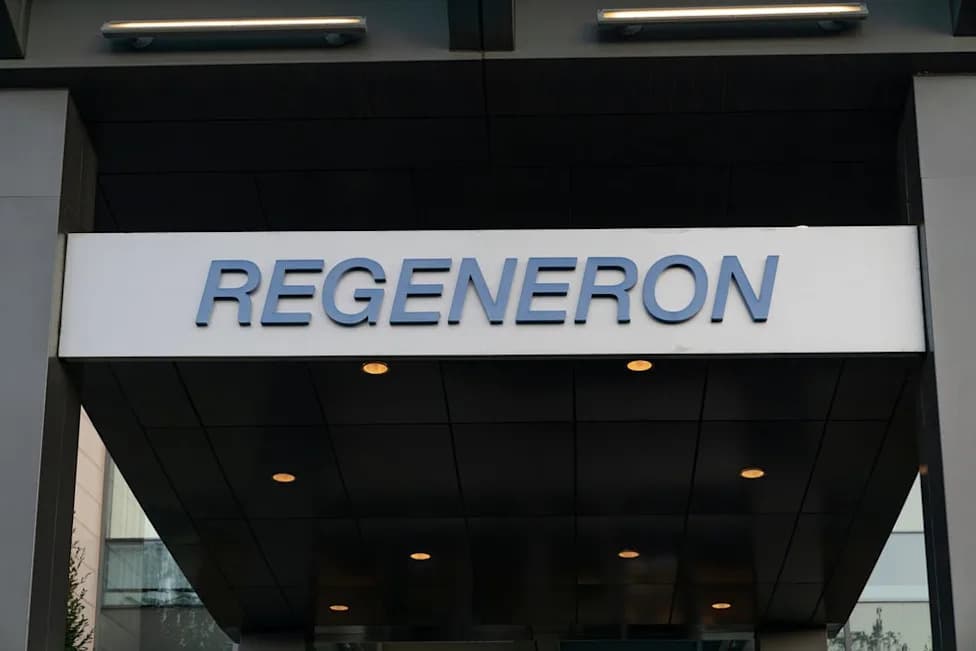
Regeneron is also developing a GLP-1RA through a partnership with Hansoh. Credit: lev radin / Shutterstock.com.
Regeneron Pharmaceuticals reported positive Phase II results showing that trevogrumab, an anti-GDF8/anti-myostatin antibody, can preserve lean mass and muscle volume when given with semaglutide in the COURAGE trial (NCT06299098).
COURAGE Trial Results
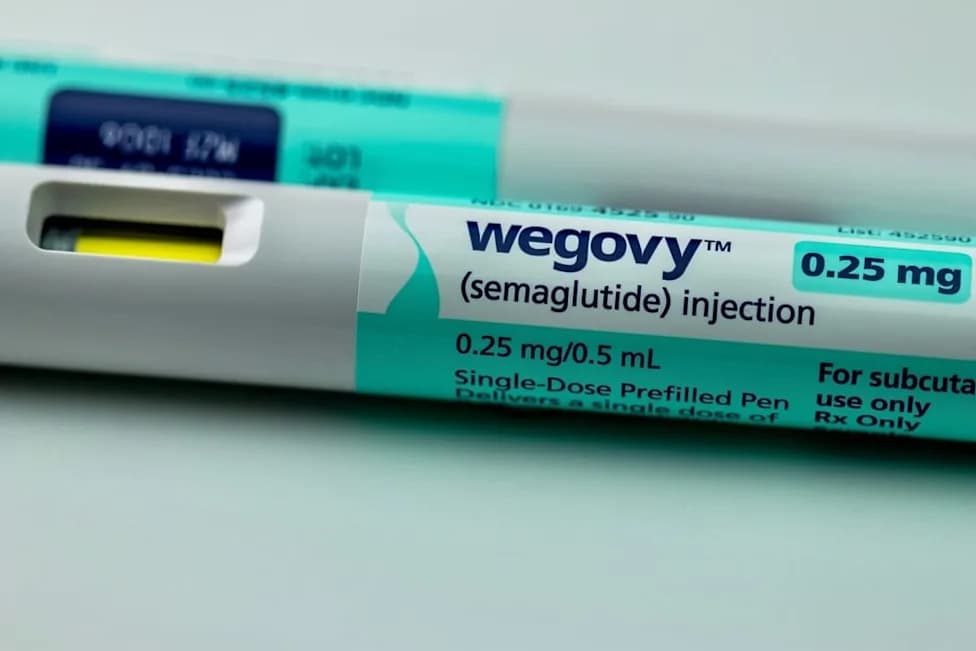
In the randomized trial, participants receiving trevogrumab alongside Novo Nordisk’s semaglutide — marketed as Ozempic (type 2 diabetes) and Wegovy (obesity) — demonstrated measurable preservation of lean mass compared with semaglutide alone.
Lean mass preservation: At 26 weeks, the high-dose trevogrumab group (75 mg) experienced a peak 50.7% retention of lean mass versus semaglutide alone; this effect was 42.5% at 52 weeks. The lower dose (25 mg) produced lean mass preservation of 29.9% at 26 weeks and 20.5% at 52 weeks.
Fat-free muscle volume (MRI): By MRI, the 75 mg cohort showed 72.7% muscle preservation at 26 weeks and 68.9% at 52 weeks. The 25 mg cohort recorded 63.6% at 26 weeks and 71.8% at 52 weeks.
Safety
The lower-dose trevogrumab regimens were generally well tolerated. Overall, 77% of participants in the lower-dose groups experienced at least one adverse event (AE) compared with 82% in the placebo arm. The most common AEs (≥10%) were nausea, constipation, diarrhoea and vomiting.
Context and Next Steps
Regeneron had previously reported data from higher-dose cohorts (200 mg and 400 mg) combined with semaglutide, noting that about one-third (~33%) of semaglutide-induced weight loss in those cohorts stemmed from lean mass loss. Despite that, all trevogrumab-plus-semaglutide groups showed improved body composition, with better lean mass preservation and greater fat loss than semaglutide alone.
Based on these results and prior higher-dose data, Regeneron plans to initiate a Phase II trial assessing trevogrumab plus GLP-1RA therapies in older adults with obesity and reduced muscle mass and/or strength. The COURAGE results were presented at a Scientific Symposium during the European Association for the Study of Diabetes (EASD) 2026 Annual Meeting in Milan.
"COURAGE demonstrated that trevogrumab, which blocks myostatin, can preserve lean mass and muscle during semaglutide-induced weight loss. These results, sustained through a full year of treatment, were further validated by MRI measurements of muscle volume supporting continued clinical development of trevogrumab and future research into muscle preservation as part of obesity care." — Dr Julio Rosenstock, Lead PI, COURAGE trial
Other companies developing muscle-preserving or related therapies include Veru (enobosarm), Roche (RO7204239), Eli Lilly (bimagrumab) and Scholar Rock (apitegromab). Regeneron also has a GLP-1RA program through its partnership with Hansoh Pharmaceutical (olatorepatide), with Phase III activity reported in China and a planned Regeneron Phase III initiation.
Bottom line: Trevogrumab added to semaglutide preserved a meaningful portion of lean mass and muscle volume at both lower and higher doses, was generally well tolerated in lower-dose cohorts, and will advance into further trials focused on older adults with obesity and reduced muscle mass.
Help us improve.