Regeneron’s investigational myostatin inhibitor trevogrumab substantially reduced muscle loss when added to Novo Nordisk’s semaglutide in a mid-stage trial. MRI data showed a 75 mg weekly dose preserved over 70% of thigh muscle loss versus semaglutide alone at 52 weeks. In a 26-week comparison, semaglutide-only participants lost 6.7% lean mass versus 3.3% for the 75 mg trevogrumab arm. Regeneron will move the 75 mg dose forward and plans further studies, including in patients over 65.
Regeneron’s Trevogrumab Halves Muscle Loss When Added to Novo’s Semaglutide, Mid-Stage Trial Shows
The Regeneron Pharmaceuticals company logo is seen on a building at the company's Westchester campus in Tarrytown, New York, U.S. September 17, 2020. REUTERS/Brendan McDermid
An experimental Regeneron antibody, trevogrumab, markedly reduced muscle loss when given alongside Novo Nordisk’s GLP-1 weight-loss drug semaglutide in a mid-stage trial, company data presented at a medical meeting show. The findings address growing concerns that rapid weight loss from GLP-1s can come with significant loss of lean muscle.
Top Findings
When researchers used MRI to measure thigh muscle, a 75 mg weekly dose of trevogrumab preserved more than 70% of the muscle that would otherwise have been lost on semaglutide alone after 52 weeks, according to the trial summary. In a 26-week comparison, participants on semaglutide alone lost 6.7% of lean muscle mass, while those receiving semaglutide plus 75 mg trevogrumab lost 3.3% (the 25 mg trevogrumab arm lost 4.7%).
"We confirmed that indeed patients that take GLP-1s lose about 30% of their weight in the form of lean muscle mass, that with trevogrumab we can prevent," said Regeneron executive Boaz Hirshberg, noting the greatest benefit may be in patients who start treatment with lower baseline muscle mass.
Safety And Trial Details
The mid-stage, two-part study enrolled nearly 1,000 adults aged 18 to 65 and was presented at the European Association for the Study of Diabetes conference in Milan. Trevogrumab alone showed a safety profile similar to semaglutide, with no unexpected adverse effects reported by the company.
Regeneron initially tested a second antibody, garetosmab, in combination with trevogrumab. During the first 26 weeks, two participants who received higher doses of trevogrumab plus garetosmab died: one death had an undetermined cause in a patient with multiple cardiovascular risk factors and the other was attributed to cardiac arrest in a person with pre-existing cardiovascular disease. The company said the trevogrumab/garetosmab combination produced more lean-mass preservation than trevogrumab alone but was associated with a high rate of adverse events — including muscle spasms — and Regeneron will not continue the triple combination.
Notably, when participants stopped semaglutide but continued trevogrumab, their muscle mass returned to baseline levels, suggesting the myostatin inhibitor may help rebuild muscle lost during GLP-1–driven weight loss. Regeneron has selected the 75 mg once-weekly dose for further study and plans a mid-stage trial focused on patients over 65.
Context And Market Outlook
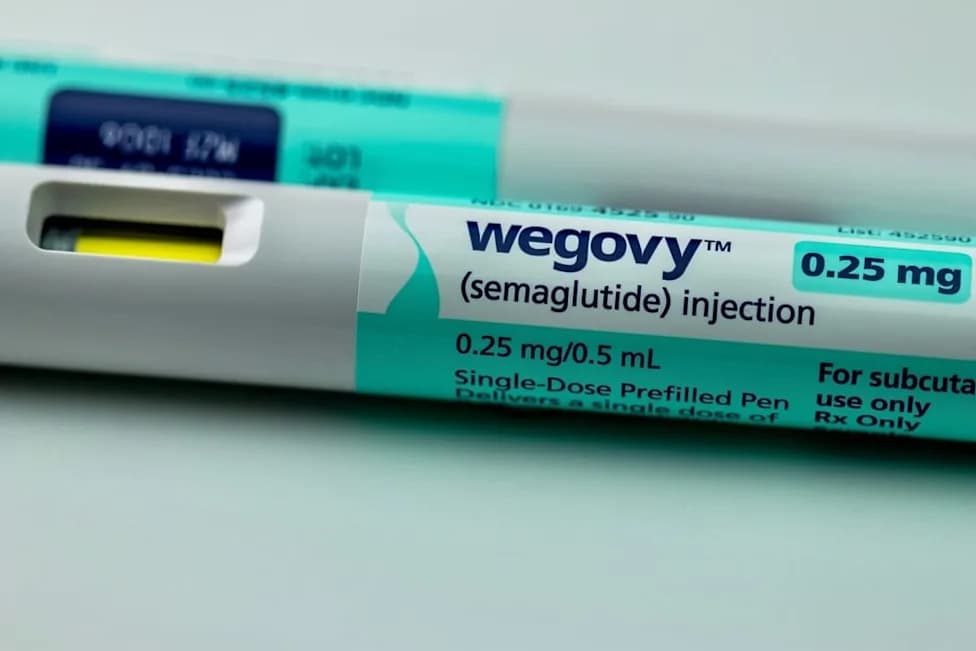
With GLP-1 drugs such as semaglutide (Wegovy) widely used for obesity, clinicians and investors are seeking therapies that protect or restore muscle during rapid weight loss. At least a dozen companies are developing muscle-preserving agents, and analysts project the market could reach roughly $30 billion in annual sales by 2035.
Next steps: Regeneron will advance the 75 mg trevogrumab regimen in further mid-stage studies, including research in older adults, while continuing to monitor safety closely.
Help us improve.