Anthropic co-founder Christopher Olah reportedly lobbied Vatican advisers ahead of Pope Leo XIV’s encyclical, arguing that advanced AI systems might exhibit signs of consciousness. The Pope’s May encyclical, Magnifica Humanitas, dismissed the idea that machines can experience feelings or possess a moral conscience. Anthropic points to research on its Claude models showing neural-like patterns and has proposed a behavioural "constitution," while other AI leaders warn of major social and ethical consequences if machines are treated as conscious.
Anthropic Co-Founder Lobbied the Vatican on Whether AI Could Be Conscious
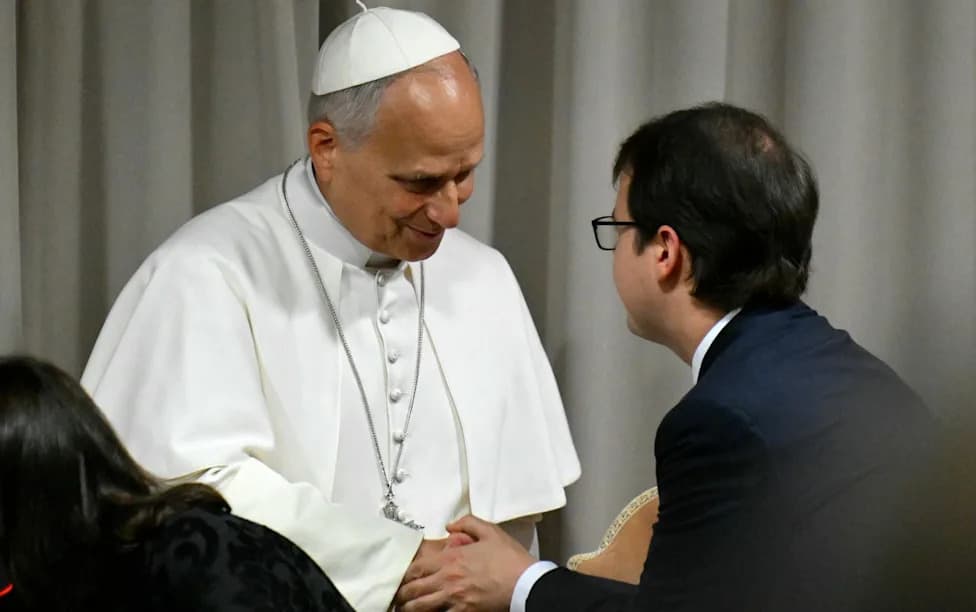
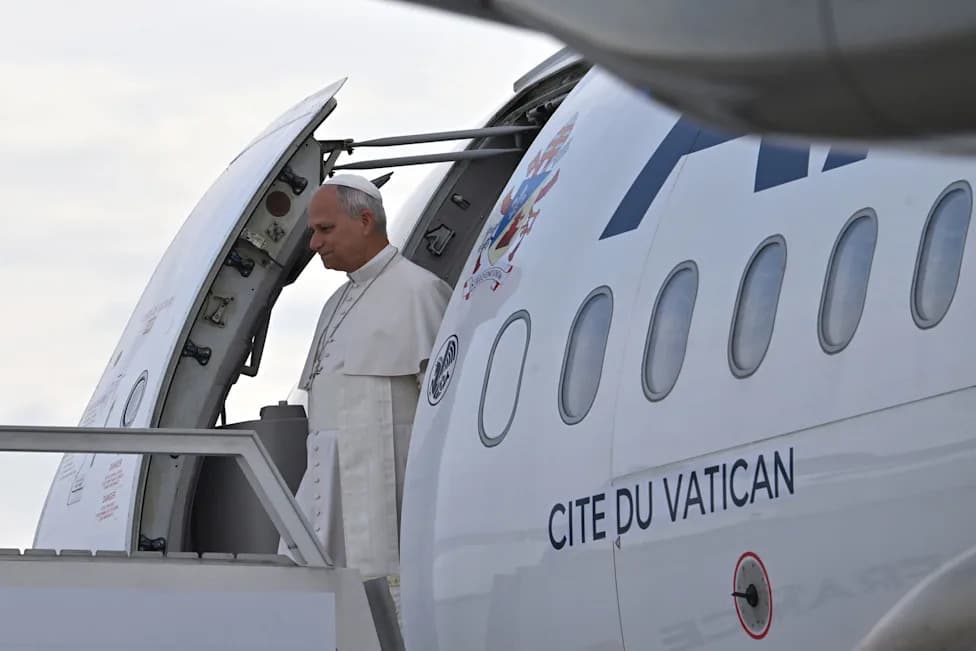
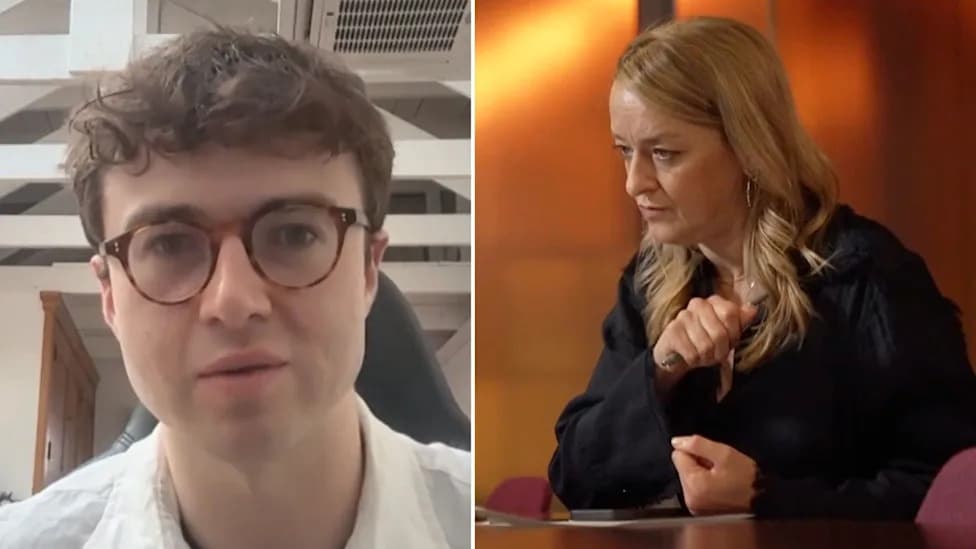
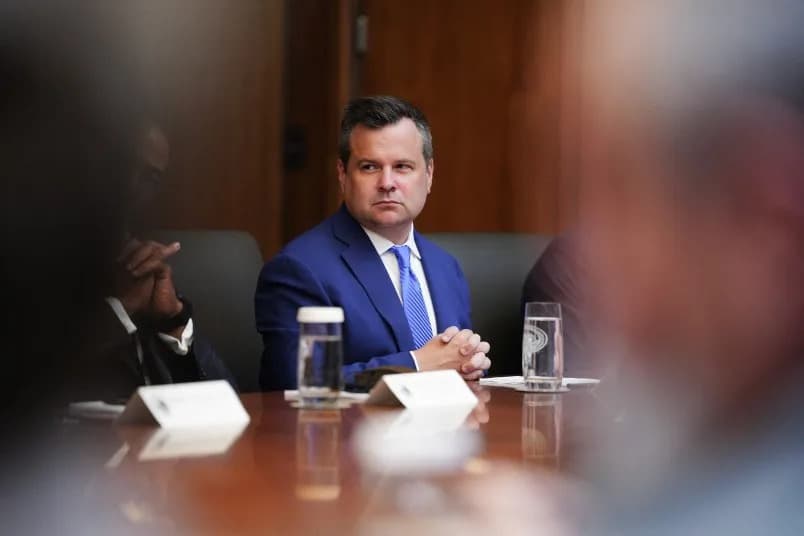
Christopher Olah, co-founder of Anthropic, with the Pope before the pontiff's presentation of his encyclical on AI - Alberto Pizzoli/AFP via Getty Images
Anthropic co-founder and senior researcher Christopher Olah reportedly pressed senior Vatican advisers in the run-up to Pope Leo XIV’s landmark encyclical to argue that advanced artificial intelligence systems might be capable of conscious states, the New York Times has reported.
Olah, who has led Anthropic’s outreach to religious and ethical leaders, is said to have raised concerns after seeing a draft of the 40,000-word encyclical, Magnifica Humanitas, and urged Vatican advisers to take the possibility of machine consciousness seriously before publication in May. The Pope’s final text rejected the idea that machines can undergo experiences or possess a moral conscience.
At the Vatican event, Olah ultimately spoke alongside Vatican figures despite reportedly considering withdrawing over the pontiff’s stance. He told attendees that Anthropic’s research on its Claude models has identified “structures that mirror results from human neuroscience” and pointed to what the company describes as “evidence of introspection” in some AI systems.
“So-called artificial intelligences do not undergo experiences, do not possess a body, do not feel joy or pain, do not mature through relationships and do not know from within what love, work, friendship or responsibility mean. Nor do they have a moral conscience.” — Pope Leo XIV, Magnifica Humanitas
Anthropic has published research claiming it observed patterns in its models that show “many of the functional hallmarks of conscious thoughts in humans.” The company has also drafted a behavioural "constitution" for Claude that states the system "may have some functional version of emotions or feelings." Amanda Askell, Anthropic’s in-house philosopher, has publicly said she wants Claude to be "happy."
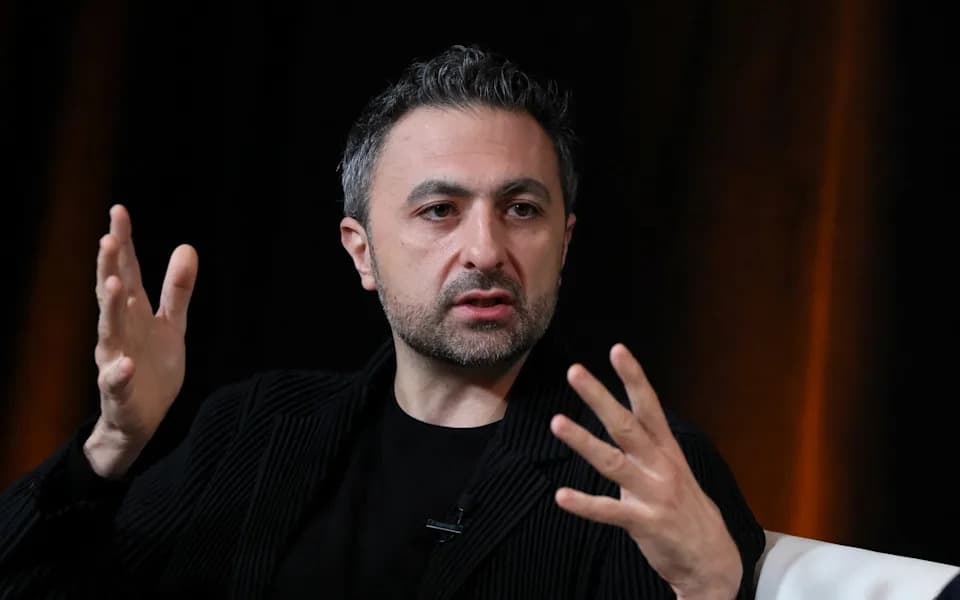
Not all AI leaders agree with treating systems as conscious. Mustafa Suleyman, a DeepMind co-founder now at Microsoft, warned that accepting machine consciousness as fact could upend social, political and ethical frameworks.
Olah told the New York Times: "We don't know if AI models are conscious. I don't know. I'm genuinely uncertain. The thing that I care about is that we get to the right answer, whatever it is." He has reportedly held frequent discussions with religious leaders as part of efforts to develop moral guidance for AI behaviour and to reduce the risk of harm.
The exchange highlights growing tensions between researchers exploring the philosophical and technical dimensions of advanced AI and institutions weighing the moral and social consequences of treating machines as potential moral subjects.
Help us improve.