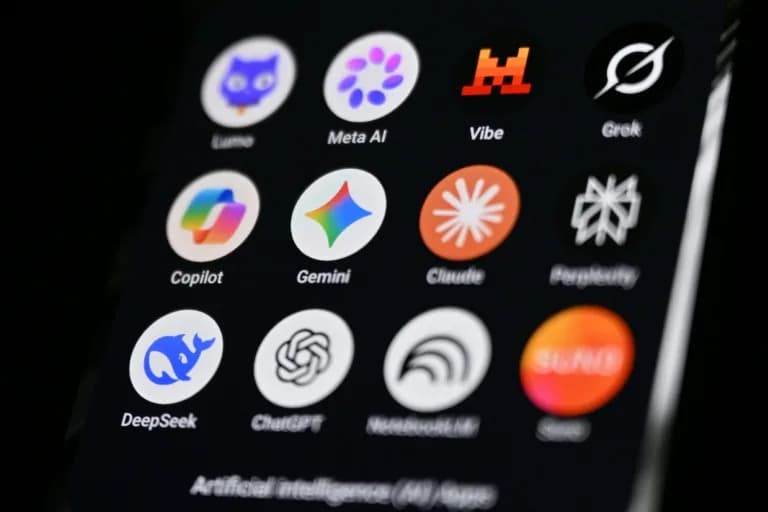
Three camps now frame the AI debate: pessimists warning of existential and societal risks, accelerationists pushing rapid deployment and minimal regulation, and a cautious middle of large tech firms balancing safety with growth. Key flashpoints include the launch of ChatGPT in 2022 and a 2023 open letter calling for a six-month pause. Prominent figures span Dario Amodei, Geoffrey Hinton, Marc Andreessen, Garry Tan and Jensen Huang—illustrating how incentives and perspectives vary across industry and academia.
Doomers, Boosters and the Cautious Middle: Mapping the AI Factions Fighting for the Future

Fear of technology's dangerous consequences for society goes back far in history (Kirill KUDRYAVTSEV)
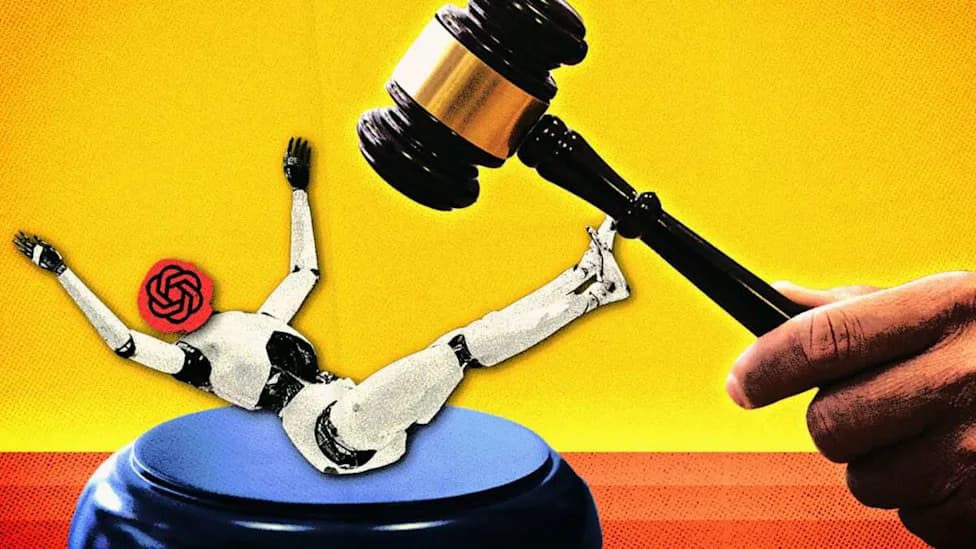
The fierce debate over artificial intelligence has hardened into three broad camps: vocal pessimists who warn of existential or societal harm, accelerationists who push rapid deployment and minimal regulation, and a cautious middle made up of large tech firms trying to balance safety with competitive pressure. This article maps those fault lines, names key figures, and highlights the events that crystallized the arguments.
The Doomers
Concerns about technology’s unintended harms are longstanding, and in AI those warnings have grown louder since the release of ChatGPT in late 2022.
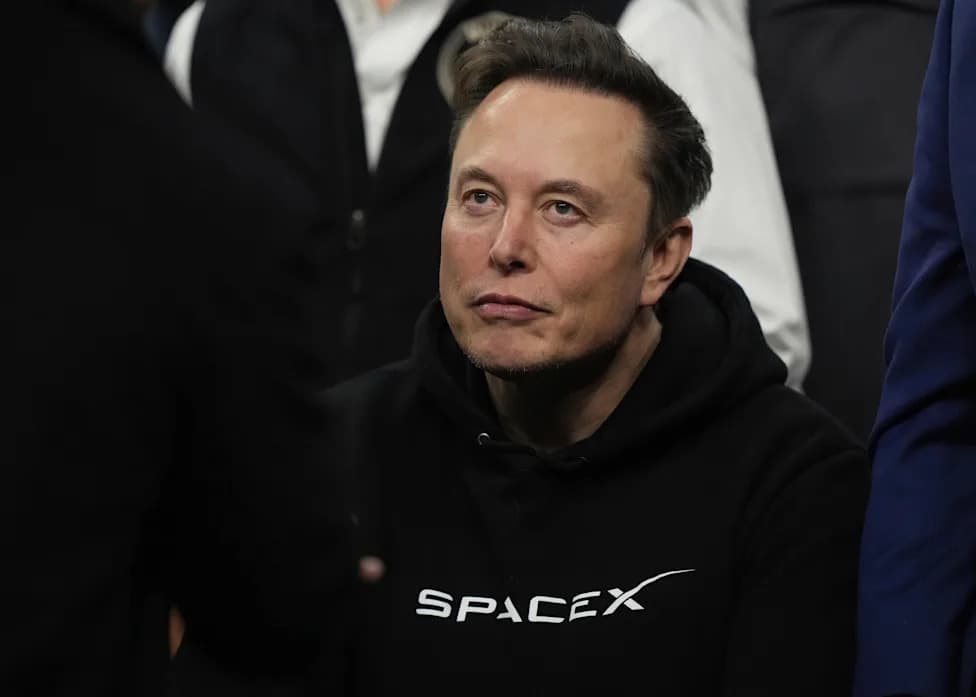
One early motivation for founding OpenAI was a fear that control of advanced AI would concentrate in companies such as Google—an anxiety voiced by early backers including Elon Musk. Today, many prominent doomers come from inside companies, from academia, or both.
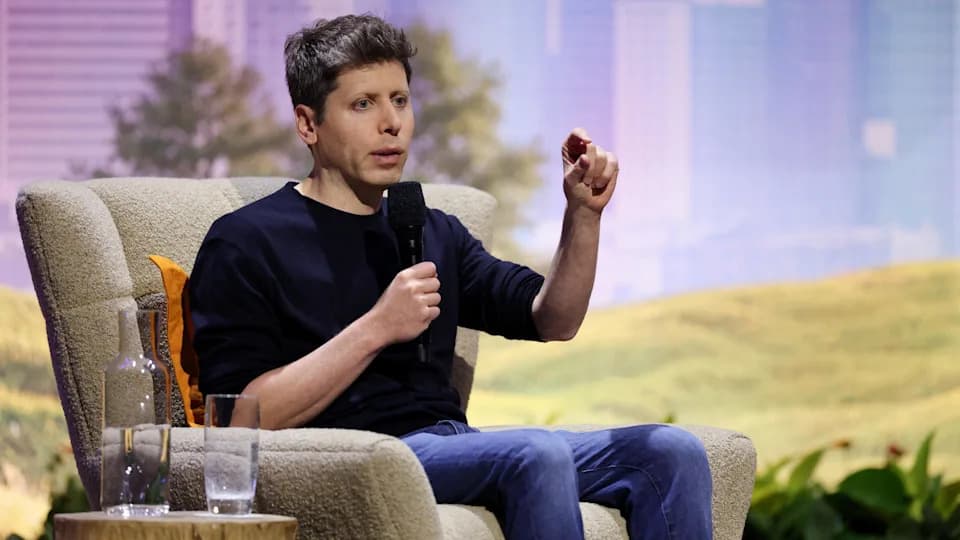
Dario Amodei left OpenAI to co-found Anthropic after concluding OpenAI under Sam Altman was not treating AI risks with sufficient seriousness. Critics sometimes call that stance hypocritical because Anthropic itself develops powerful AI systems.
Leading academics sounded early alarms after ChatGPT’s debut: former Google researcher Geoffrey Hinton and deep-learning pioneer Yoshua Bengio publicly warned of potential harms. MIT physicist Max Tegmark organized a 2023 open letter through the Future of Life Institute urging a six-month pause on the development of the most advanced systems—an appeal that drew thousands of signatures.
On the more extreme end, theorist Eliezer Yudkowsky has long argued that sufficiently powerful, uncontrolled AI could threaten humanity’s survival—an argument that remains influential in some corners of the safety community.
Build, Build, Build
Opposite the doomers are the accelerationists: believers in fast technological progress, its broad benefits, and the competitive imperative to move quickly. This outlook is especially common among venture capitalists and startup leaders in Silicon Valley.
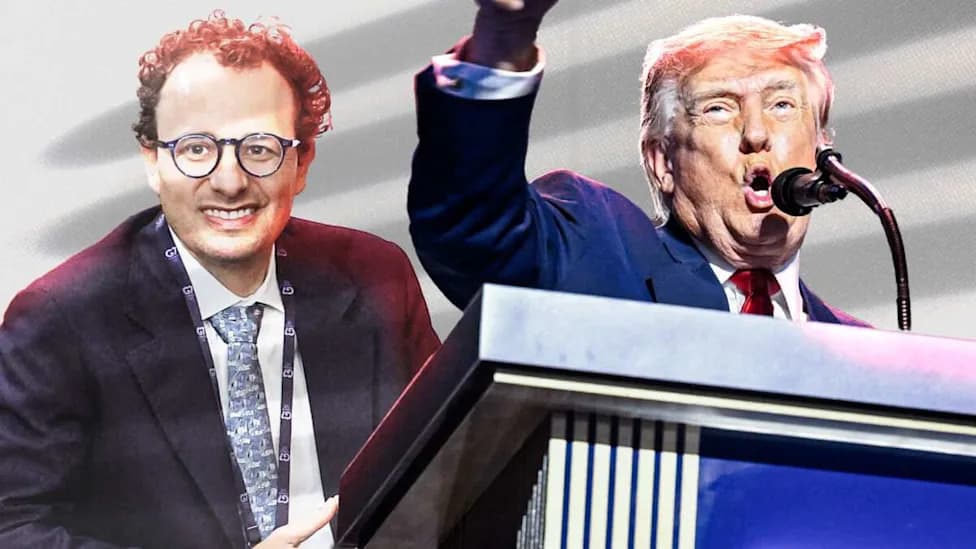
Prominent proponents include Marc Andreessen (Andreessen Horowitz) and David Sacks, who argue against heavy regulation and often cast some safety advocates as alarmist or protectionist. They also back political action committees that support pro-growth AI policies across party lines.
Garry Tan of Y Combinator warns that safety rules could disproportionately burden startups, while Jensen Huang, CEO of Nvidia, represents a commercial reality: Nvidia’s chips power the data centers and models that make modern AI possible, making him central to the accelerationist ecosystem.
Yann LeCun, a Turing Award winner and long-time researcher, has publicly argued that some existential warnings are overblown—highlighting that even among technical leaders there is sharp disagreement about risk levels.
Proceeding With Caution
A third group—largely incumbent technology companies and some research teams—seeks a middle path: acknowledge risks and develop safety practices while continuing product development and lobbying for workable regulation.
OpenAI’s 2015 structure prioritized researchers’ influence and safety-oriented goals, but after an internal leadership crisis in 2023 the company’s public posture has become more pragmatic: it warns of risks while pursuing rapid advancement and government engagement.
Major firms such as Google, Microsoft and Amazon likewise use safety rhetoric to reassure the public even as they work to shape policy in ways that preserve flexibility and market advantages. This balancing act—between public-duty language and private lobbying—is a defining feature of the cautious middle.
Why It Matters
AI is no longer a niche research topic: it underpins growing parts of the economy and could reshape labor, security and global power balances. How these factions influence policy, investment and research norms will help determine whether AI’s transition is managed safely or accelerates with few guardrails.
Key events: the release of ChatGPT in 2022, the 2023 open letter calling for a six-month pause, Anthropic’s rapid rise and IPO preparations, and ongoing political spending and lobbying by pro-growth actors.
Notable tension: many leading figures operate across lines—researchers who build powerful systems also warn about them, and investors who fund growth sometimes champion safety measures that favor their position. The debate is less about pure camps than competing incentives and visions for governance.
Help us improve.