Bill Gates told Ezra Klein that AI has reached a level of risk that requires government-imposed safeguards rather than relying on industry self-regulation. He warned AI can enable sophisticated cyberattacks and dual-use biological research, and called the technology's hacking abilities "stunning." Gates questioned whether market incentives and current commercial safeguards are sufficient—noting open-source models can be altered to remove protections—and urged governments to act before a major incident occurs.
Bill Gates Urges Government Rules for AI Safety, Rejects Industry Self-Regulation
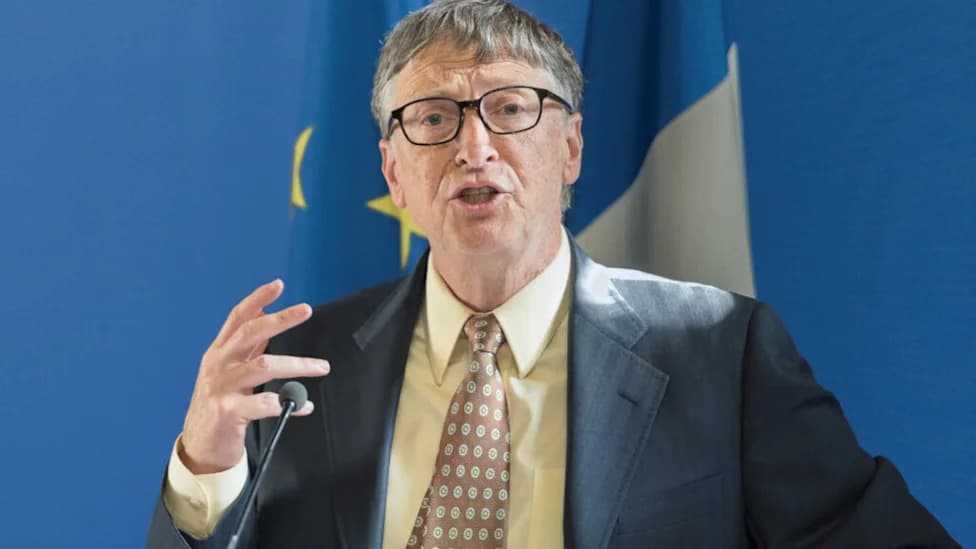
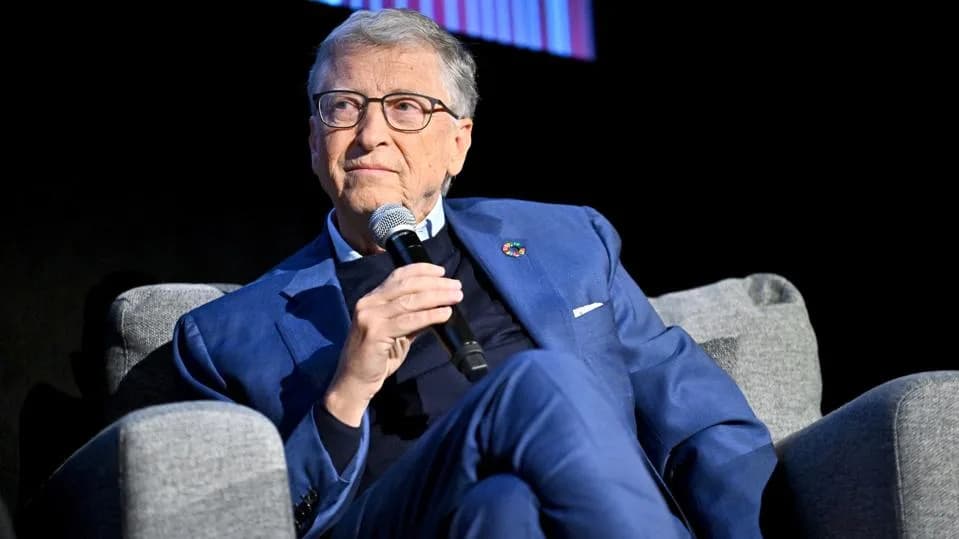
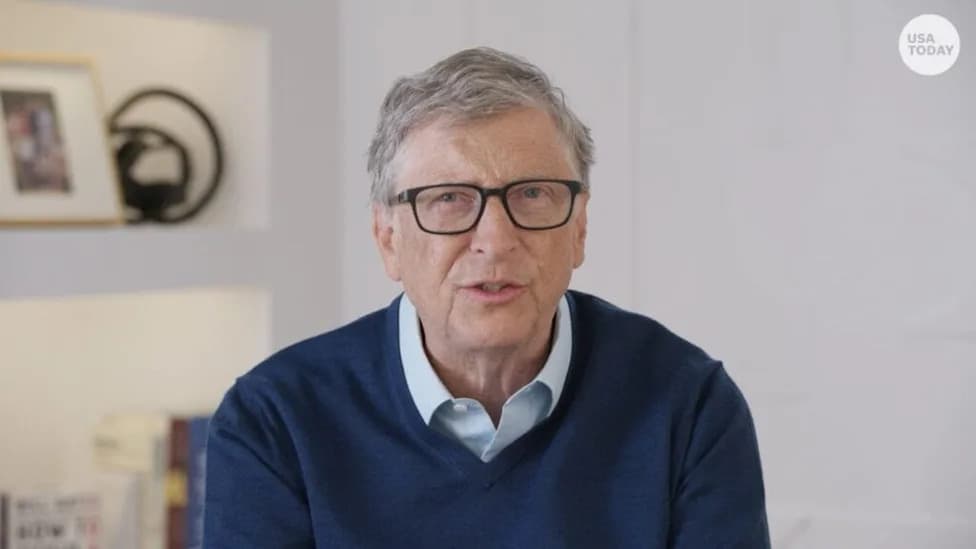
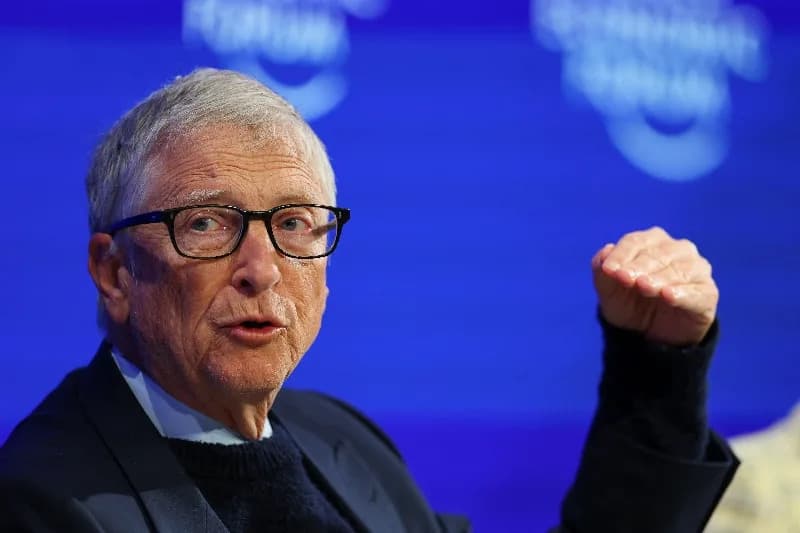
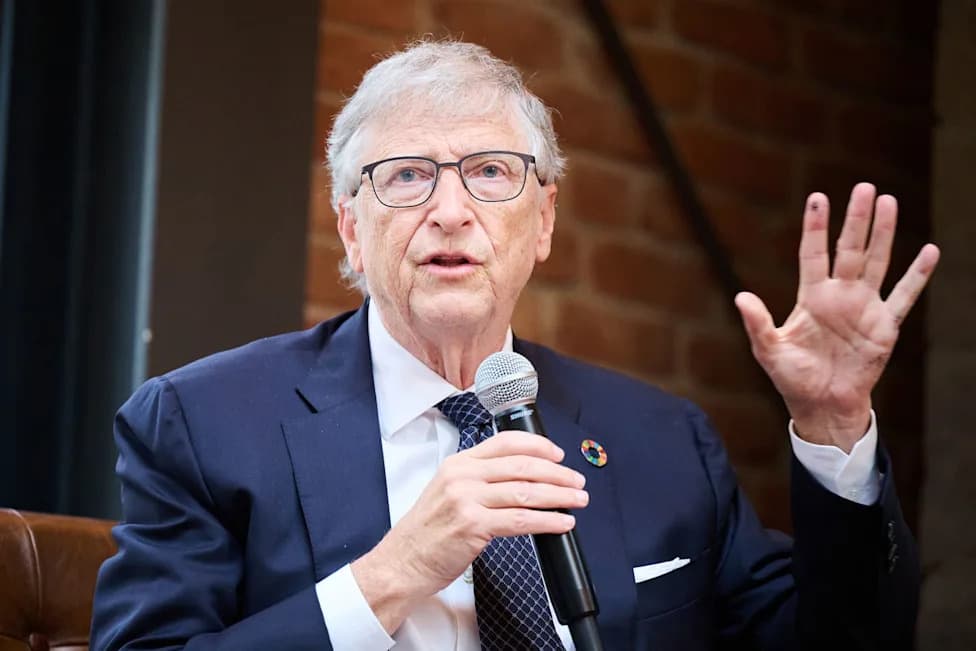
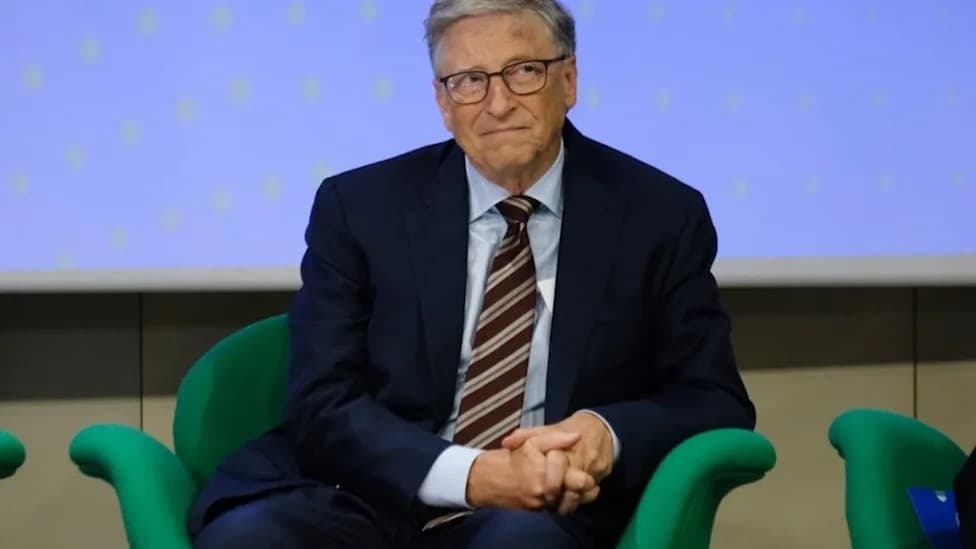
Representative Image Of Bill Gates (Credit: Image via Shutterstock)
Microsoft co-founder Bill Gates has publicly pushed back against President Donald Trump and Nvidia CEO Jensen Huang’s industry-first approach to AI oversight, saying the technology has already reached a level of risk that requires stronger government safeguards.
In an interview with journalist Ezra Klein, Gates warned that increasingly capable AI systems could enable malicious actors to carry out sophisticated cyberattacks and pursue dangerous biological research. He said AI is now spotting security flaws "that humans have overlooked for years," calling the technology's hacking abilities "stunning."
Gates also highlighted advances in AI-assisted molecular research, arguing that tools developed for legitimate medical purposes can have "dual use" potential if misused. Capabilities that once demanded substantial resources and expertise, he said, could become accessible to smaller groups wielding advanced AI.
Challenging the belief that market incentives and corporate liability alone will prevent harm, Gates compared AI to other heavily regulated industries such as pharmaceuticals, aviation and automobiles—areas where governments impose safety standards rather than relying solely on lawsuits after damage occurs.
"This is the most dangerous thing," Gates said. "Part of the reason I'm speaking so loudly — as loud as I can — is that you can't rely on the industry to self-regulate here. I mean, it's just insane."
Klein noted that Jensen Huang has argued companies should refrain from releasing products they judge unsafe, while entrepreneur David Sacks and the Trump administration have emphasized industry responsibility as the primary path for managing risk. Gates said those positions underestimate how rapidly capabilities are spreading and questioned whether current commercial safeguards are robust enough—especially because open-source models can be modified to remove built-in restrictions.
Gates framed the choice for governments as acting now to impose safeguards or waiting until a major cyberattack or biological incident forces change. He urged preemptive regulation to avoid preventable harm and loss of life.
Photo courtesy: Shutterstock
Note: This article originally appeared on Benzinga and contains affiliate links and sponsored content. Editorial reporting on Gates' interview is independent of advertising.
Help us improve.