Dario Amodei’s open letter revived urgent debate over AI risks, but company-led audits alone are not enough. The U.S. needs a well-funded federal regulator with authority to certify safety, investigate harms, and enforce accountability across the tech sector. Policy must address a broader set of digital risks and reconcile safety with strategic competition, especially with China.
AI Needs More Than Warnings: Why the U.S. Needs a Federal Regulator Now
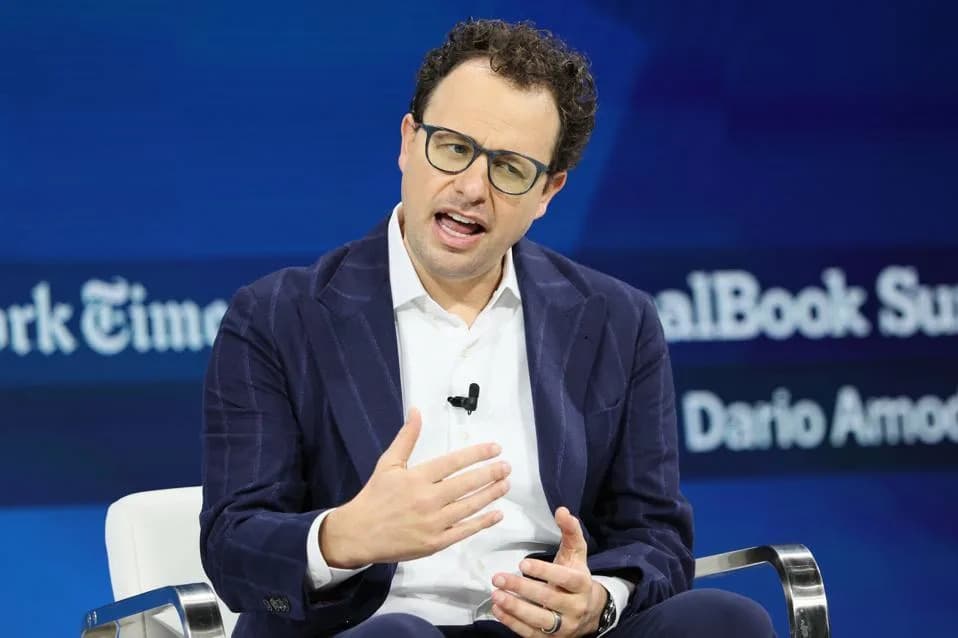
NEW YORK, NEW YORK - DECEMBER 03: CEO and co-founder of Anthropic Dario Amodei speak onstage during the 2025 New York Times Dealbook Summit at Jazz at Lincoln Center on December 03, 2025 in New York City. (Photo by Michael M. Santiago/Getty Images)Getty Images
Dario Amodei, CEO of Anthropic, reignited a heated debate with an open letter warning of existential risks from advanced AI models and urging a development slowdown. His warning earned swift endorsements from prominent figures including OpenAI’s Sam Altman, Elon Musk, and Demis Hassabis. While Amodei and Anthropic deserve credit for candidly identifying risks and calling for oversight, three critical gaps remain: the absence of a robust federal regulatory framework, an over-narrow focus on “frontier” AI rather than the full range of digital harms, and the difficulty of regulating effectively amid U.S.–China competition.
The Limits of Company-Led Oversight
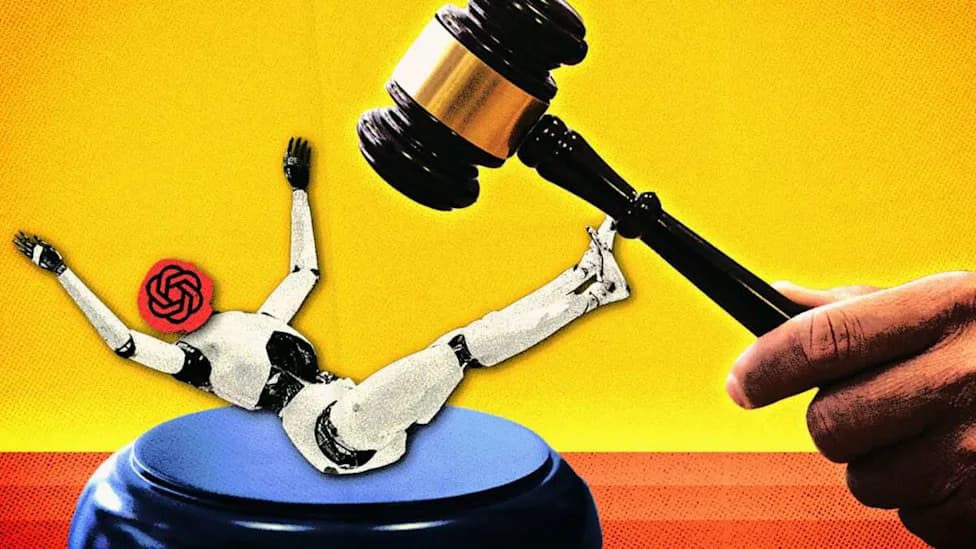
Amodei has proposed embedding third-party evaluators inside companies to verify whether developers follow claimed training, deployment, operational, and safeguards practices. That step is constructive but insufficient. Would the public accept airlines or drugmakers policing themselves by hiring auditors they choose? High-risk industries traditionally require independent, government-backed regulators to avoid conflicts of interest and regulatory capture.
What Boeing’s 737 Max Shows About Self-Certification
History offers a cautionary lesson. The FAA’s Organization Designation Authorization program, which delegated certain certification tasks to manufacturers, was widely criticized after the Boeing 737 Max crashes. Delegating critical safety checks to private firms can create incentives that undermine public safety—an outcome regulators must prevent if AI firms are left to self-audit.
Amodei’s Narrowing Public Agenda
Earlier testimony to Congress in 2023 showed Amodei acknowledging a broad set of risks—national security, bias, misinformation, privacy, child safety, copyright, and the potential for autonomous systems to evade control—and recommending rigorous safety testing before public release. More recent public statements have emphasized a narrower agenda focused mainly on transparency and third-party auditing for frontier autonomous systems. Regulation is not a peripheral detail; it is the central policy choice that determines how risks are managed across the whole tech ecosystem.
Broader Backlash Beyond Frontier AI
Public trust in the tech sector has eroded: polling shows trust near historic lows, data center siting fights crop up in local politics, parents and lawmakers regularly raise alarms about online harms to children, and critics call out addictive product designs. These concerns extend well beyond abstract frontier-AI scenarios. Products like Meta’s recent release of a personal AI agent underscore how quickly companies deploy services that raise privacy, autonomy, and safety questions without comprehensive testing or certification.
Regulating While Competing With China
Any U.S. framework must reckon with global competition. Amodei urged democratic nations to seek coordination with authoritarian governments when possible, while recognizing verification limits. China’s state-supported AI ecosystem will continue to be a strategic challenge; some areas—such as limits on autonomous weapons—may be suitable for international agreements. But the framing of AI as a zero-sum “whoever wins AI wins” contest risks justifying reckless acceleration. Effective policy should combine prudent domestic safeguards with strategic international engagement.
Conclusion: What Congress Must Do
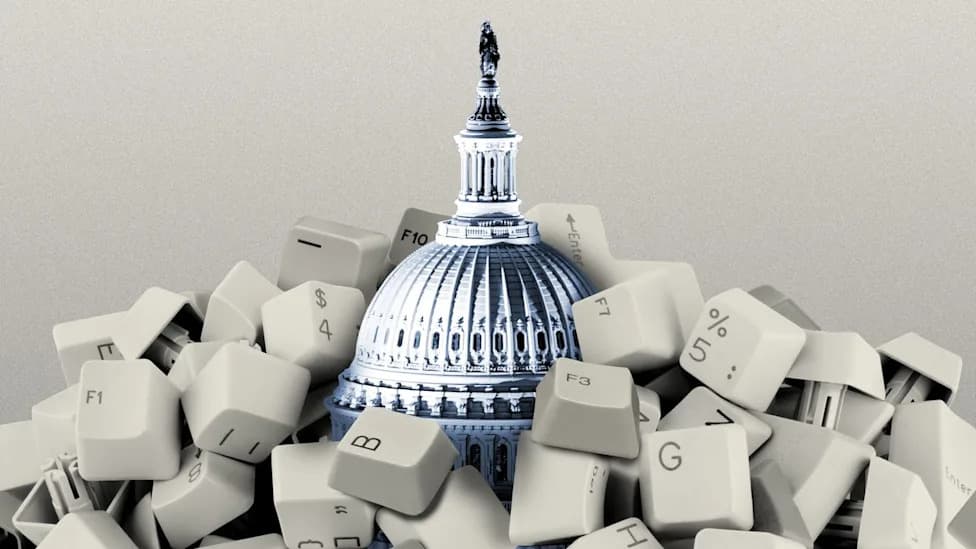
Amodei and other industry voices deserve credit for sounding alarms, but the decisive standard is whether Congress establishes a rigorous, well-funded federal oversight regime that can enforce safety, transparency, and accountability across the sector. That will require new institutional capacity, targeted rules for high-risk systems, strong auditing and certification processes independent of vendors, and a policy that balances innovation with public safety and geopolitical realities.
Originally published on Forbes.com.
Help us improve.