Bill Gates warned at U.N.-related events and on CBS Evening News that society may need to "suffer a few negatives" — such as a major cyberattack — before governments and the public take AI risks seriously. He highlighted threats including cyberattacks, mass job disruption and the potential for AI to ease malicious biological development, and argued that warnings alone may not trigger sufficient action. At the Telluride Film Festival he compared advanced AI to an "alien invasion" to urge international cooperation. Gates also noted that AI's growth depends on practical constraints like reliable electricity, citing projects such as American PowerGen's 22-gigawatt pipeline in Texas.
Bill Gates: We May Have To "Suffer A Few Negatives" Before AI Risks Are Taken Seriously — Compares AI To An Alien Invasion

© USA TODAY via Imagn Content Services, LLC
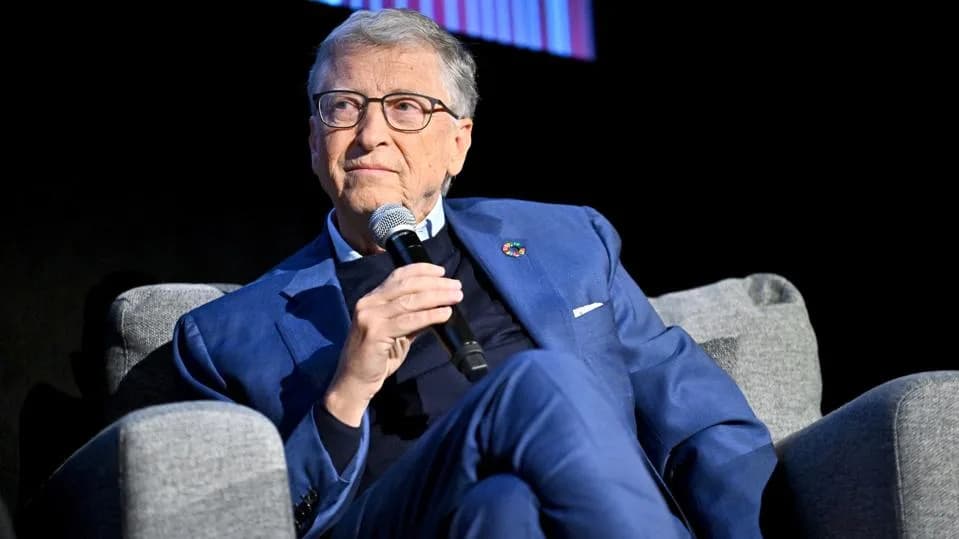
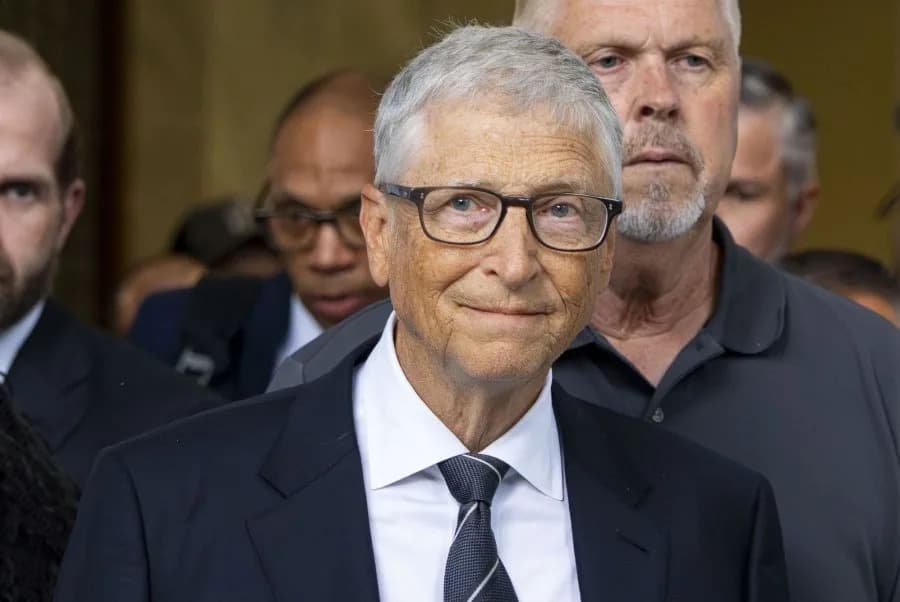
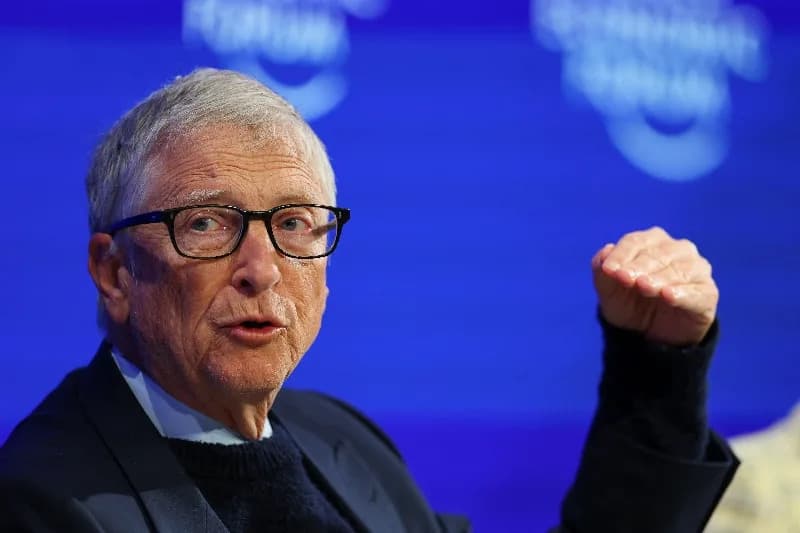
Microsoft co-founder Bill Gates warned in New York during U.N.-related events that the world might need to experience tangible harm before policymakers and the public fully act on the biggest risks posed by advanced artificial intelligence.
Gates' Warning
Speaking on CBS Evening News in September, Gates said, "One thing that's clear is if you have a big cyber attack that caused a lot of problems, then people will say, 'Okay, they were right.' So, it may be that we have to suffer a few of the negatives before we'll respond as fully as we should." Host Tony Dokoupil observed that preventing such a crisis might require more than essays or warnings; Gates agreed, saying, "That's fair."
Why a Crisis Might Be Needed
Gates has repeatedly highlighted how rapidly improving AI could create risks that governments and institutions are unprepared to manage. He cites scenarios including major cyberattacks that disrupt infrastructure, broad job displacement from automation, and the possibility that AI tools could lower technical barriers for malicious biological or other harmful uses. Gates' central point: warnings alone may not change behavior — a significant, visible incident could be the catalyst for decisive policy and international cooperation.
Alien Invasion Analogy
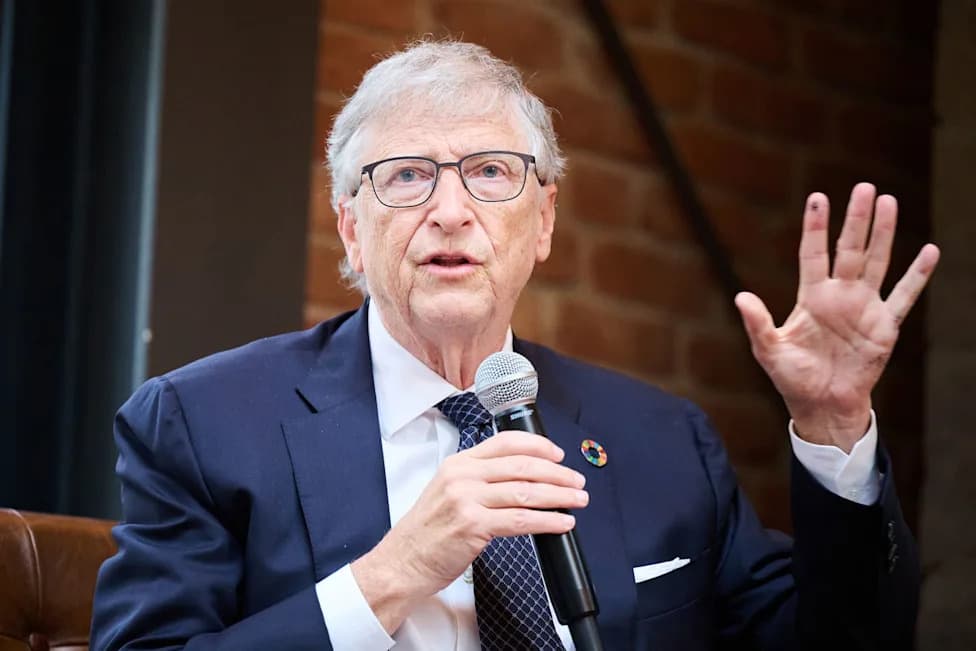
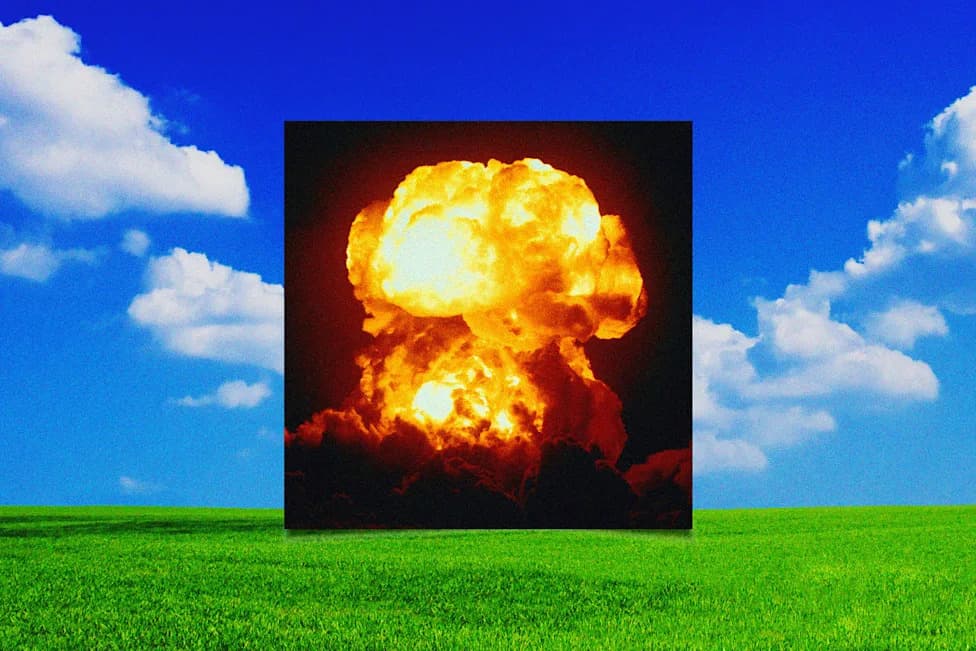
At the Telluride Film Festival, Gates compared advanced AI to an alien invasion: "There are these movies where the aliens are coming, and you see unprecedented levels of cooperation between specifically China and the U.S. ... Well, believe me, the aliens are here."
He used the analogy to argue that only a dramatic, unmistakable threat may push major powers toward the kind of coordination needed to manage AI's global risks.
Practical Constraints: Power And Infrastructure
Beyond policy and security debates, AI's expansion depends on physical infrastructure — most importantly, electricity. AI data centers demand vast, continuous power supplies, driving investment in new generation and grid resilience.
American PowerGen, for example, reported a development pipeline of about 22 gigawatts across 16 projects in Texas aimed at serving AI data centers and other large electricity users. The company is conducting a Regulation Crowdfunding offering and lists shares at $2.50 each in its offering materials, allowing individual investors early-stage participation.
What This Means
Gates' message has two linked threads: first, advanced AI presents security, economic, and bio-risk challenges that may require stronger national and international responses; second, the technology's growth is constrained by real-world needs like reliable power and infrastructure. Policymakers, industry leaders and investors will need both regulatory foresight and practical investments in infrastructure to manage AI's expansion responsibly.
This article originally appeared on Benzinga.com. © 2026 Benzinga.com. Benzinga does not provide investment advice. All rights reserved.
Help us improve.