Polymarket currently prices Democrats at roughly a 65% chance to win the 2028 presidency, a lead driven by recent geopolitical events and ongoing economic concerns. The Iran conflict’s escalation pushed Democratic odds from the mid-50s into the mid-60s, while inflation (CPI ~3.4%) and voter focus on prices remain central issues. Historical precedent also favors the party out of the White House: only George H.W. Bush since 1928 has won while his party’s incumbent was not on the ballot. Markets are fluid, and major economic or geopolitical changes could shift the outlook.
Markets Put Democrats Ahead for 2028 — Why Betting Odds and History Favor the Out-Party
AP News
Betting markets and historical trends currently give Democrats a sizable edge in the 2028 presidential race. Polymarket prices a roughly 65% chance for Democrats more than two years before the election, and a mix of foreign-policy shocks and economic indicators has helped widen that margin.
Market Snapshot
On Polymarket, Democrats are priced at about a 65% probability of winning the 2028 presidential contest. For context, betting markets gave Donald Trump a peak probability of roughly 66.2% during the summer of 2024 — a high-water mark that occurred around the week of the Republican National Convention. After Vice President Kamala Harris entered the 2024 race, neither she nor Trump exceeded a ~64% market probability in that matchup, meaning the current two-years-out Democratic advantage is larger than either candidate's peak in that pairing.
Historical Context
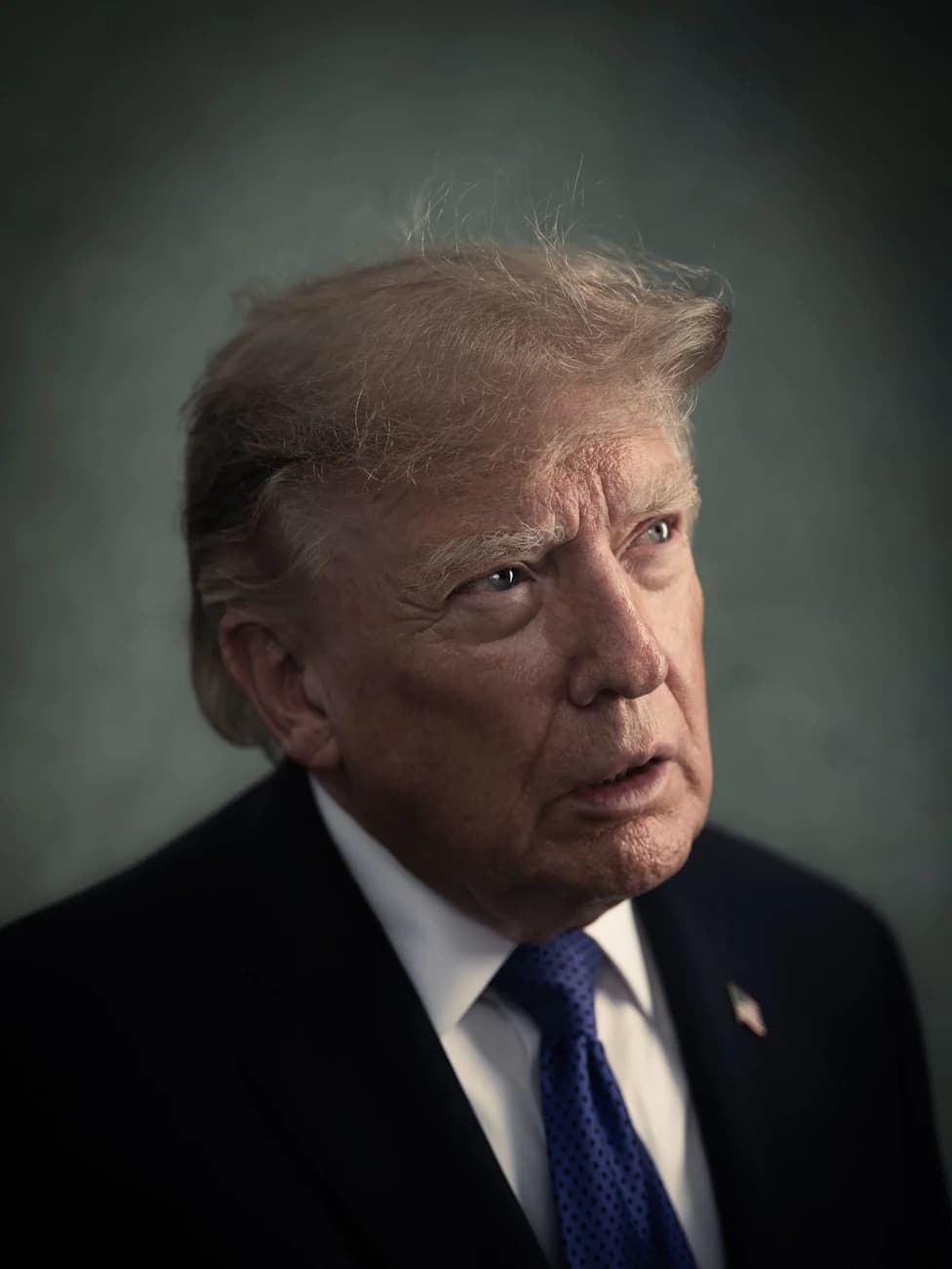
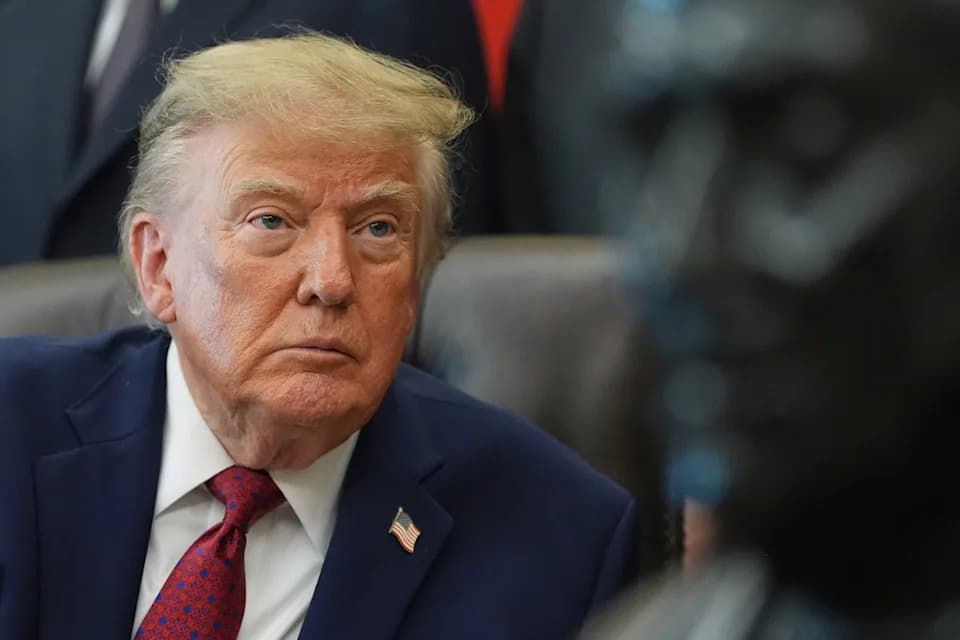
History tends to favor the party not occupying the White House when the incumbent is not on the ballot. Prior to 1988, the last time a non-incumbent from the sitting president’s party won was 1928, when Herbert Hoover succeeded Calvin Coolidge. George H.W. Bush’s 1988 victory — coming after two terms of Ronald Reagan — remains the only modern exception. Bush also benefited from a popular outgoing president: a Gallup poll conducted Nov. 11–14, 1988, showed Reagan’s approval at 57% shortly after the election. By comparison, Donald Trump’s approval is currently near 38.8%, which would be a headwind for Republicans unless public sentiment shifts substantially.
Key Drivers: War and the Economy
Two major forces appear to be shaping market odds. First, geopolitical developments — notably the conflict involving Iran that escalated in late February — coincided with a notable jump in Democratic probabilities. Between August 2025 and March 1, 2026, Democrats’ market chances largely ranged from the low-to-mid 50s; since the Iran conflict intensified on Feb. 28, Democratic odds climbed from roughly 55% to about 65%.
Second, economic conditions remain central. In the latest Economist/YouGov polling, 31% of respondents named inflation and prices as the most important issue, and 15% cited jobs and the economy. The Consumer Price Index currently registers inflation around 3.4% — down from the peak of 2022–23 but still above the Federal Reserve’s 2% target. If the Iran conflict eases and energy prices fall, bringing inflation down further, that could improve Republican prospects.
Individual Candidate Odds
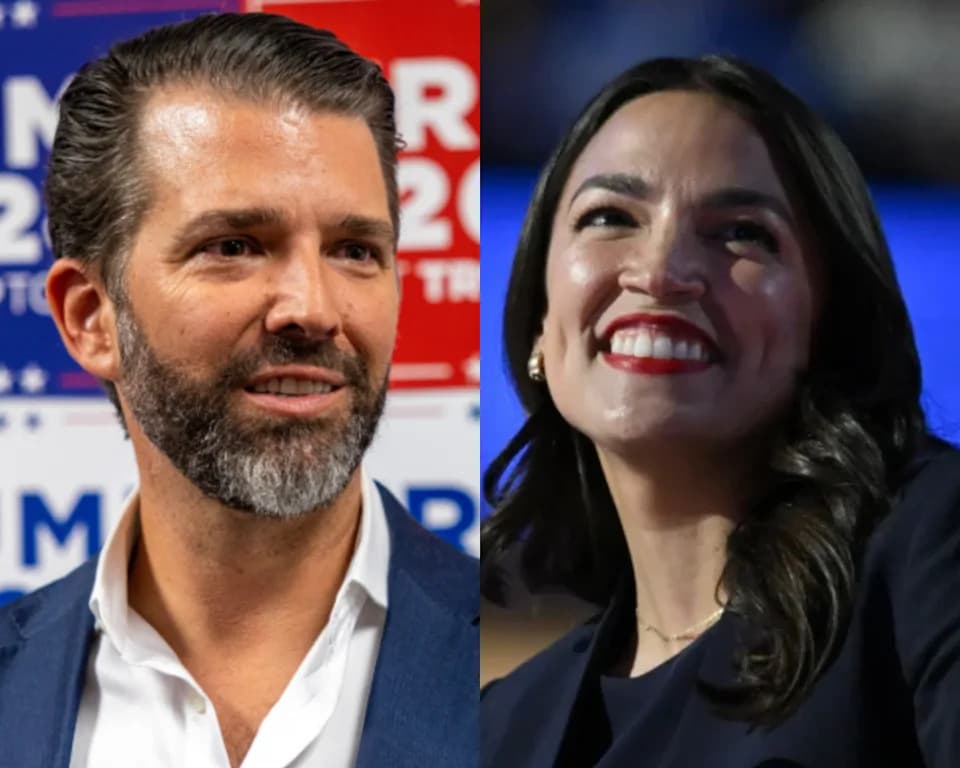
Although Democrats lead at the party level, markets also post odds for individual candidates. In the snapshot cited, JD Vance leads all individual contenders with about a 21% chance, followed by Representative Alexandria Ocasio-Cortez at ~13% and Senator Jon Ossoff at ~11%. Senator Marco Rubio is around 9% and Governor Gavin Newsom around 8%, while a range of other candidates sit in the low single digits.
What Would Change the Outlook?
Betting markets are not predictions but aggregations of information and sentiment.
To reverse the current trend, Republicans would likely need one or more major developments: a clear and unifying nominee, a significant improvement in economic indicators (especially inflation and gas prices), a substantial increase in the outgoing president’s approval, or geopolitical shifts that change voters’ priorities. Conversely, further geopolitical turmoil or persistent inflation would likely reinforce the Democrats’ edge.
Bottom line: Markets and historical patterns currently favor Democrats for 2028, but a great deal can change between now and Election Day. The odds reflect current sentiment and can move quickly in response to major events.
Help us improve.