Prediction markets have swung sharply in favor of Democrats retaking Congress: the Election Betting Oddstracker now puts Democrats at 63.8% to win the Senate and about 89% to retake the House. Individual platforms such as Kalshi and Polymarket show similar odds, and recent polling — including an Economist/YouGov survey and Nate Silver’s models — aligns with those probabilities. Falling approval ratings for President Trump and economic concerns have coincided with the markets' shift.
Prediction Markets Shift Sharply — Democrats Favored To Retake Senate And House

Bettor's believe Democratic candidate James Talarico has a slight edge over Republican Ken Paxton in the Texas Senate Race, despite no Democrat winning a statewide race in the red state since 1994.
Online prediction markets and consolidated trackers have swung decisively toward Democrats, with bettors now pricing a notable chance that the party will regain control of both chambers of Congress. The shift follows a wave of fresh polling showing Democratic advantages in several key contests and weakening approval for President Donald Trump.
Market Snapshot
The Election Betting Oddstracker, which aggregates odds from major prediction platforms, currently places Democrats at a 63.8% probability of winning the Senate — a sharp move from roughly even 50-50 odds recorded at the start of last week. Bookmakers also show Democrats as heavy favorites to retake the House, with consolidated odds around 89%.
Individual markets largely mirror the aggregate: Kalshi markets put Democrats at about 63% to capture the Senate, while crypto-based Polymarket prices Democratic chances around 66%. The swing represents a near-reversal from the period before the start of the Iran war, when bettors had given Republicans roughly a 60% chance of retaining the Senate.
Key Races And Polling
Bettors are leaning Democratic in nearly every competitive Senate matchup cited in these markets, including Michigan, Maine, New Hampshire and Alaska. Even in Texas — a state where no Democrat has won a statewide race since 1994 — online markets currently show Democratic candidate James Talarico with a narrow edge over Republican Ken Paxton in the U.S. Senate contest.
"Classifying the Senate race as a toss-up is no longer accurate," wrote Nate Silver in his Silver Bulletin, noting that a toss-up label is reasonable only when neither party exceeds roughly a 60% chance. Three versions of his polling-based model put Democrats' Senate chances between about 63% and 69%.
Context: Approval Ratings And Political Promises
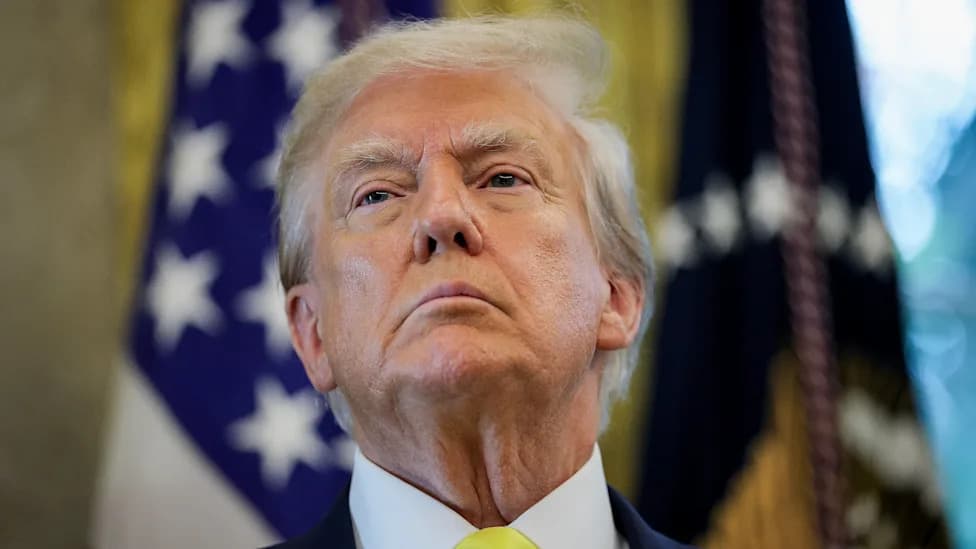
The market movement toward Democrats has coincided with declining approval for President Trump amid economic concerns and the ongoing Iran war. A consolidated tally by The New York Times shows Trump's approval at 37% with 60% disapproval. Other recent polls are even less favorable: Reuters-Ipsos reported approval at 32% (66% disapprove), and an American Research Group poll listed overall approval at 29% and approval for his handling of the economy at 26%.
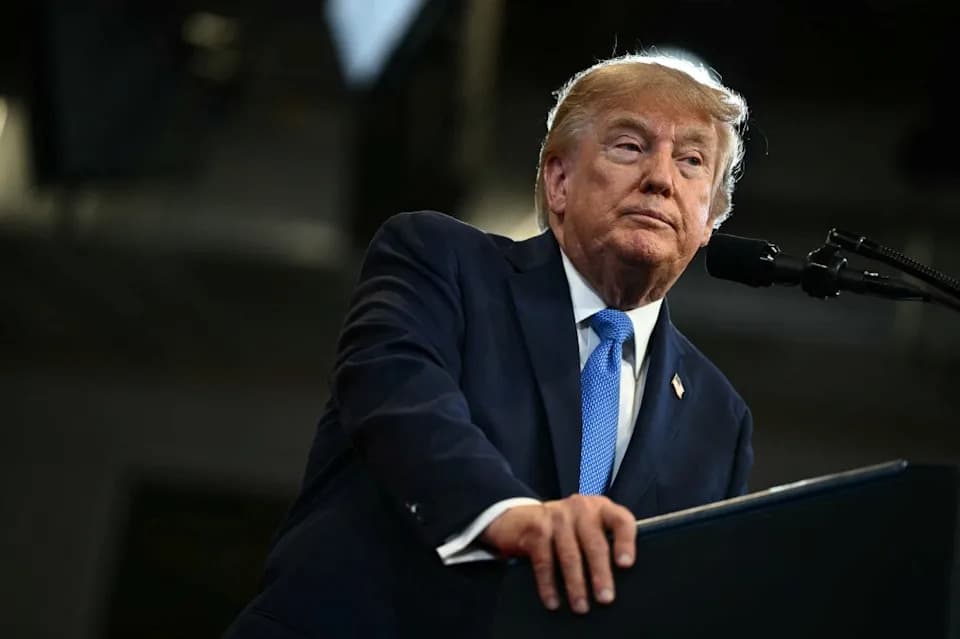
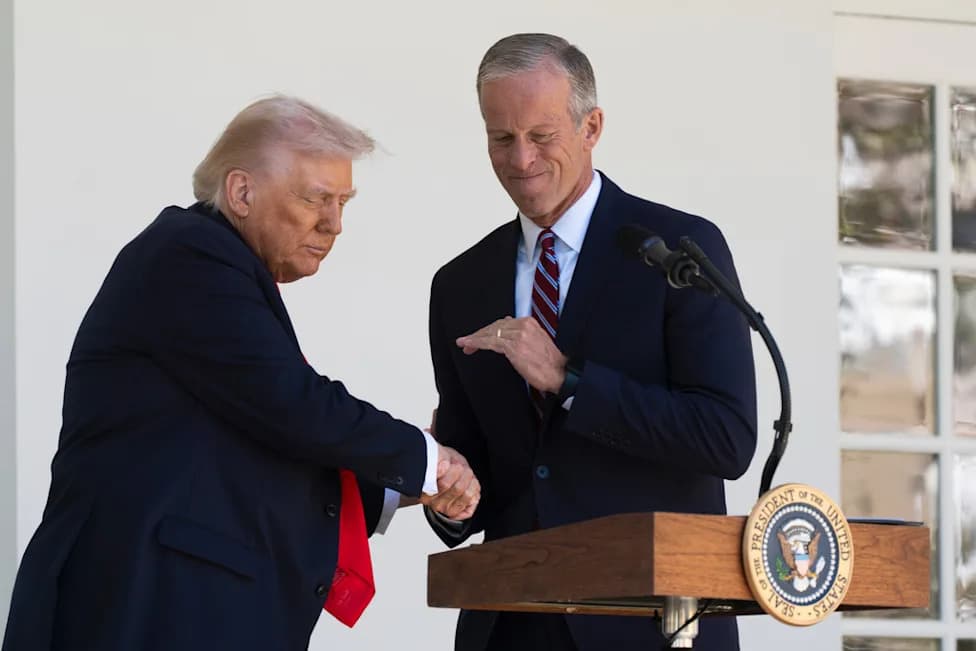
At a Republican midterm convention in Dallas earlier this month, President Trump pledged a $5,000 "dividend" to every adult U.S. citizen if Republicans win both chambers — a plan critics say could cost more than $1.2 trillion. Economists and some lawmakers have questioned the feasibility of the proposal, and it has not visibly altered betting markets or polling trends.
Markets and pollsters alike now indicate a meaningful Democratic edge in the 2026 midterm landscape, with betting platforms and analytic models converging around similar probabilities for control of Congress.
Originally published on Forbes.com
Help us improve.