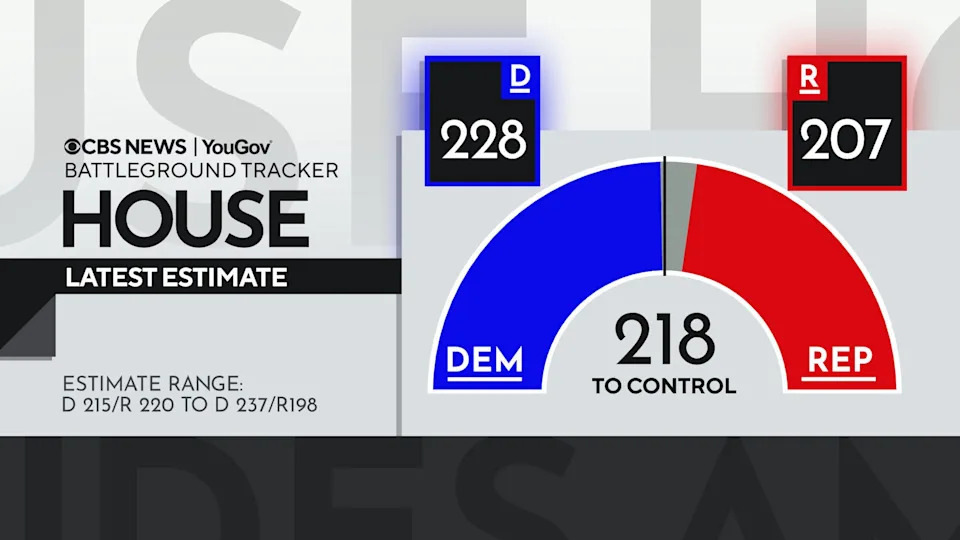
Quick take: The CBS News/YouGov battleground model puts Democrats near a working majority in the House at roughly 228 seats, but the range of simulated outcomes leaves a path for Republicans. Rising prices and inflation continue to push voters against the party seen as holding power, while Donald Trump remains a potent turnout force for the GOP. Key groups to watch include Hispanic voters, MAGA versus non‑MAGA Republicans, and voters’ beliefs about who can improve household finances.
CBS/YouGov Battleground: Democrats Hold Narrow Edge — Model Centers on About 228 House Seats
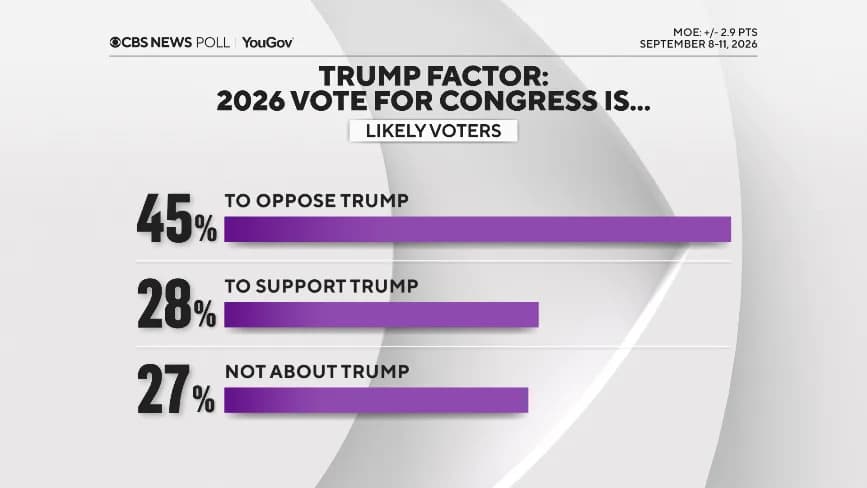
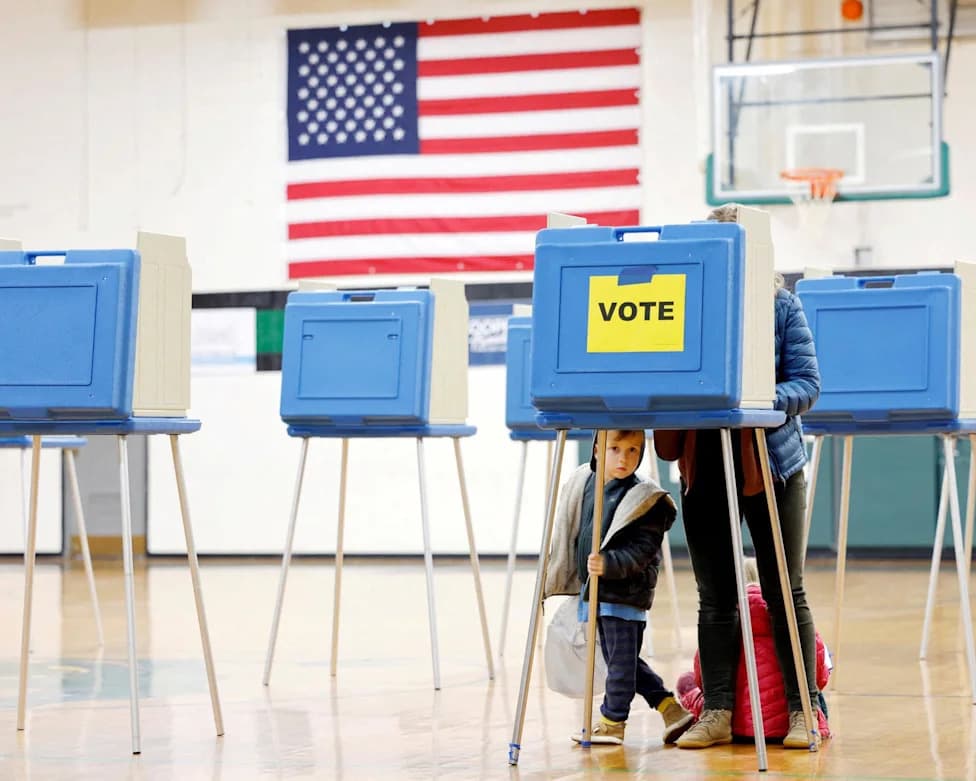
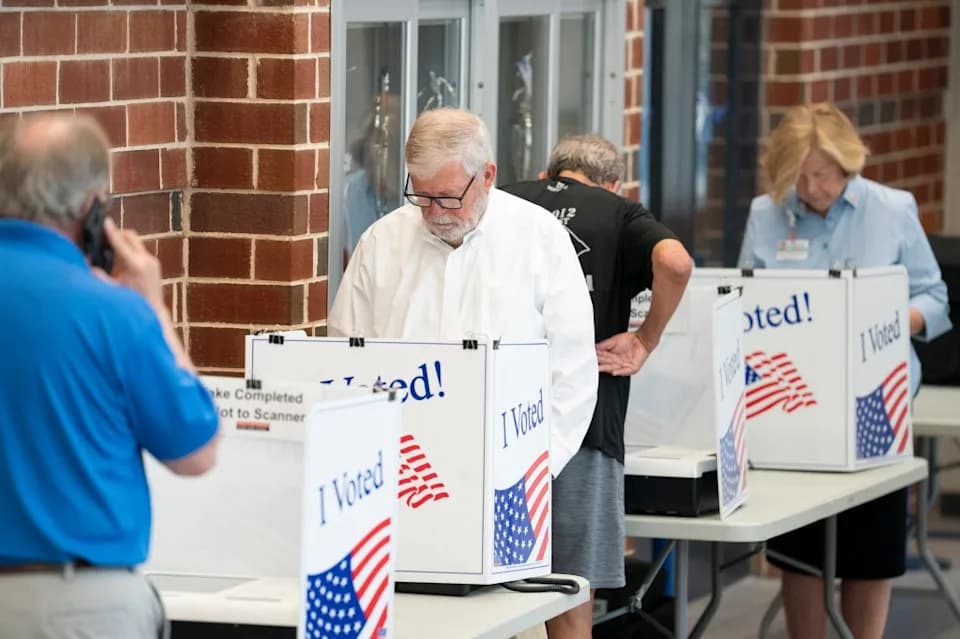
The CBS News/YouGov battleground tracker finds Democrats holding a narrow advantage in the race for control of the U.S. House, with a model projection centered at about 228 seats. Voters’ concerns about inflation and higher prices, along with President Donald Trump's continued influence, are shaping turnout and preferences as the midterms approach.
Why Prices and Politics Matter
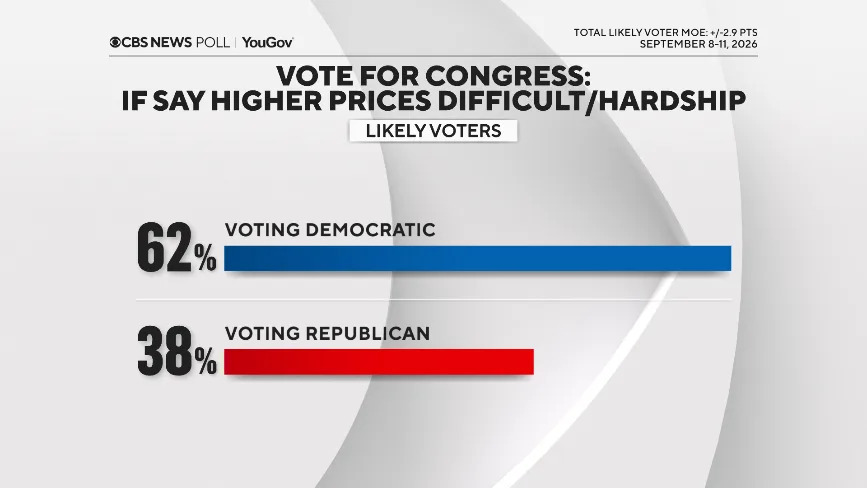
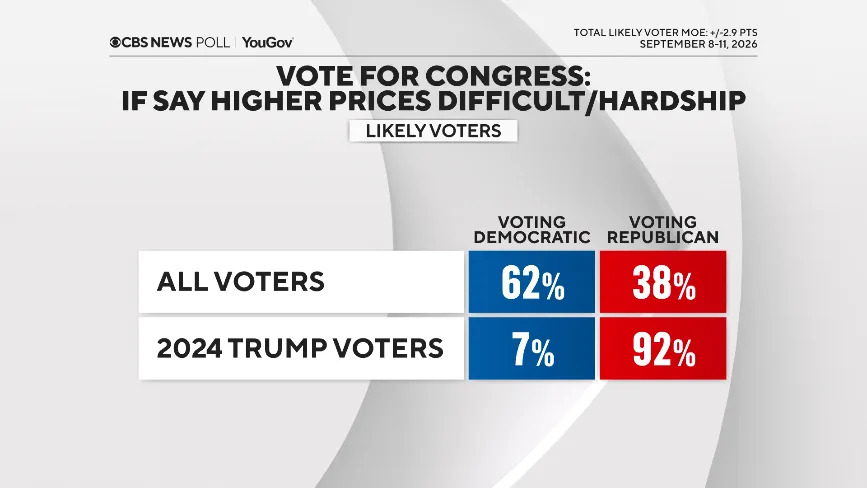
The election is unfolding amid broad uncertainty — from inflation and the economy to overseas conflict and questions about artificial intelligence. Many voters say rising prices are hurting their households, and that sentiment is pushing them away from the party perceived to be in power.
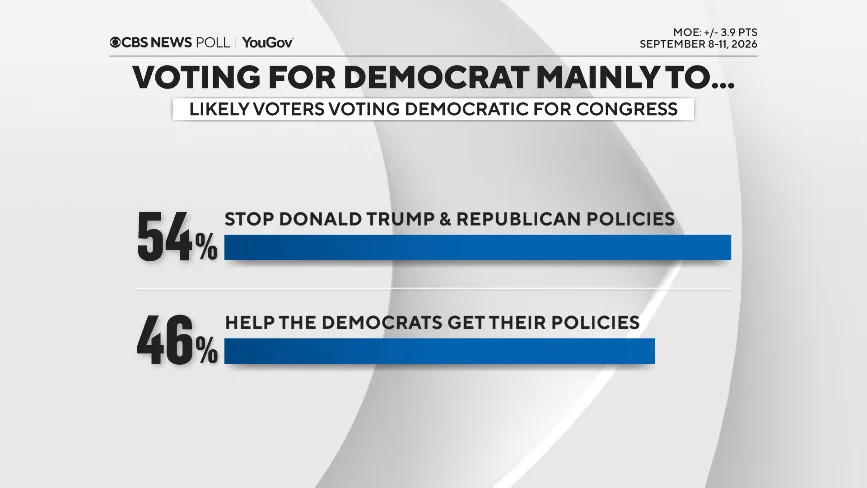
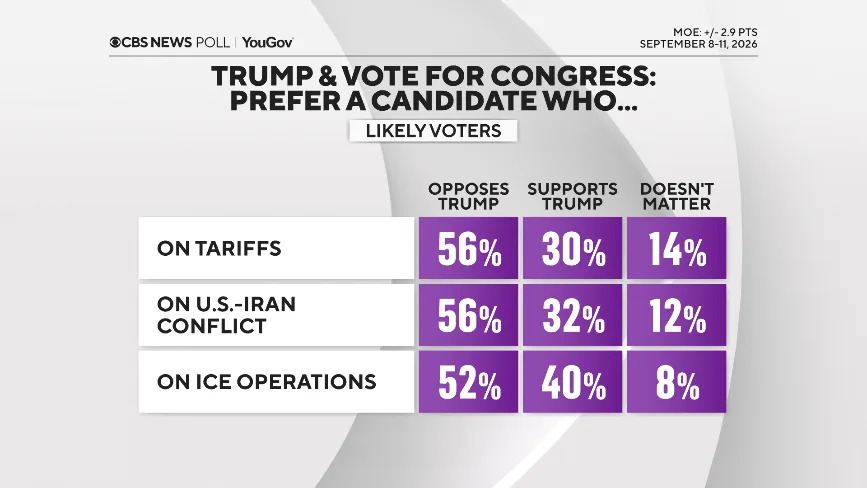
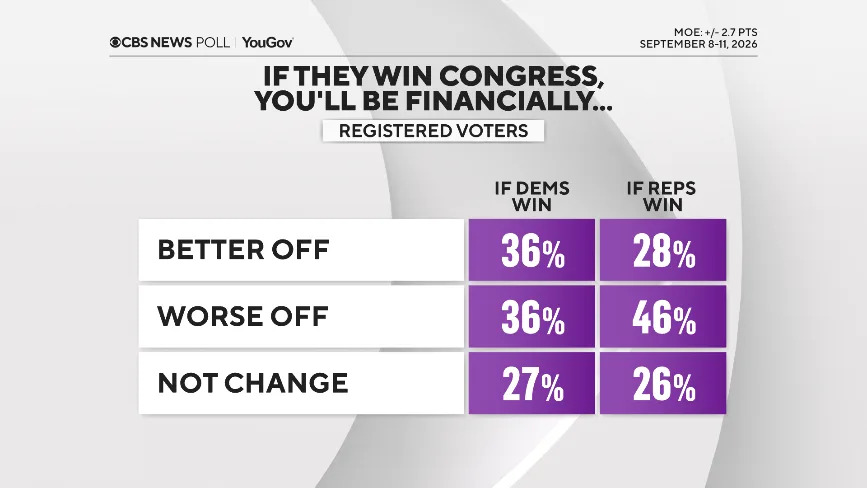
That antipathy is often driven more by opposition to the other party than by confidence that the preferred party will improve household finances: most voters say neither party would make them significantly better off financially. Relatedly, a plurality tell pollsters they prefer candidates who oppose new tariffs and who oppose escalation in the conflict with Iran, which many associate with higher prices.
What the Model Shows
CBS News’ statistical model translates these preferences into projected House seats. Its current central estimate is roughly 228 Democratic seats — above the 218 threshold needed for a majority in the 435-seat House, but not a commanding margin. If trends move modestly in Democrats’ favor, the model’s estimate can reach the high 230s; at the lower end of simulated outcomes it falls to about 215 seats, leaving a path for Republicans to retain a narrow majority.
Model methodology: Estimates come from a simulation-based model that incorporates this poll, past vote data, district characteristics, demographics and historical patterns. Results are subject to statistical uncertainty and describe who is ahead today; they may change as more data arrive.
Party Dynamics and Voter Groups
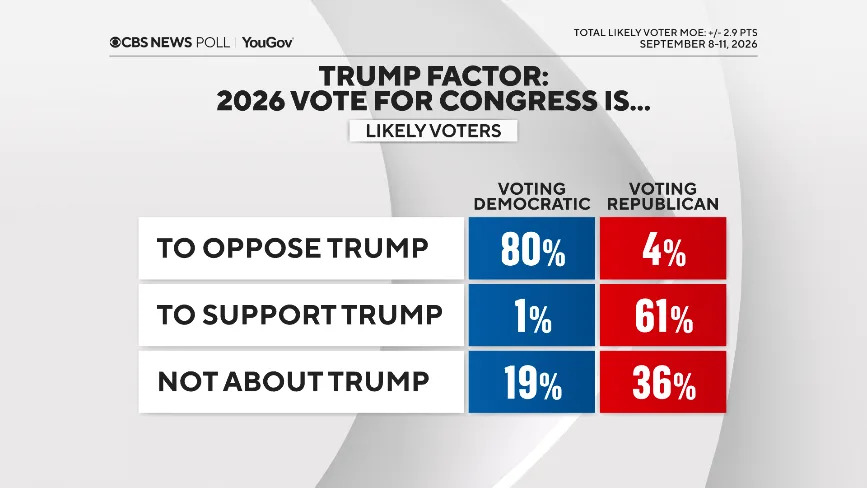
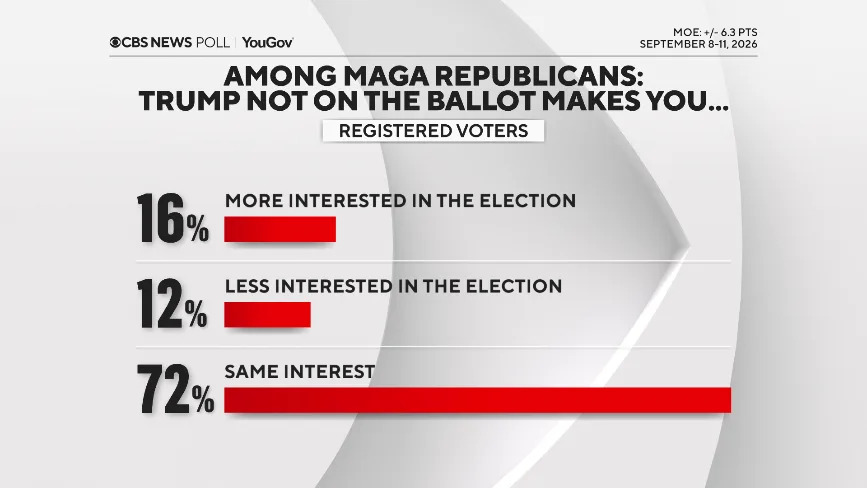
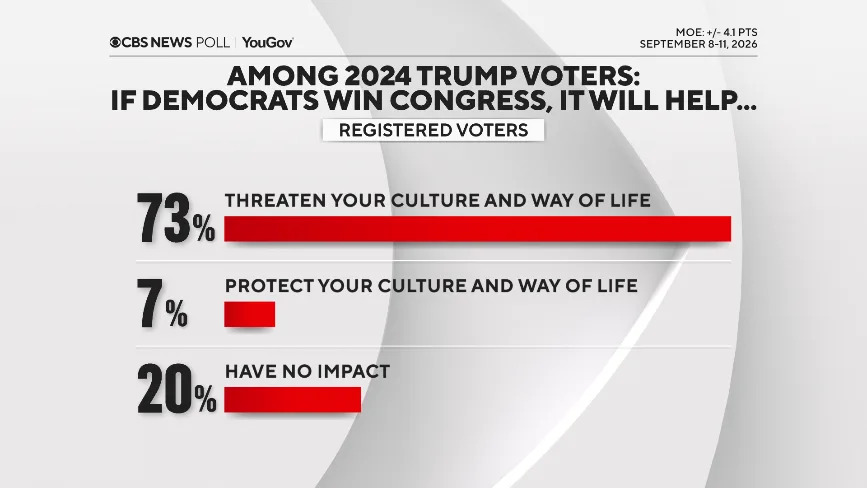
Donald Trump remains a central factor. Many MAGA-aligned and 2024 Trump voters continue to back the GOP, often out of opposition to Democrats rather than enthusiasm for specific GOP policies. Trump’s endorsement also moves many Republican voters and has a mobilizing effect: MAGA voters report turnout enthusiasm comparable to 2024, even though Trump is not on the ballot.
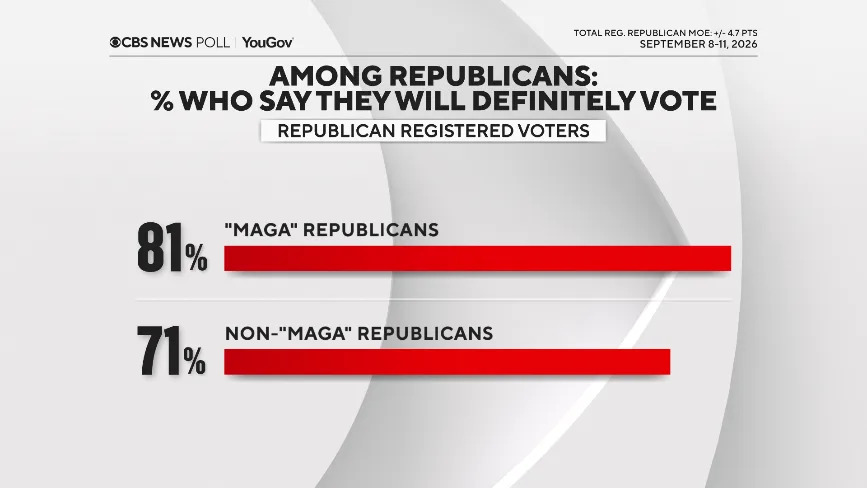
However, non‑MAGA Republicans are less uniformly enthusiastic and are less likely to say they will definitely vote — creating uncertainty about whether the GOP’s turnout advantage will be uniform across the party.
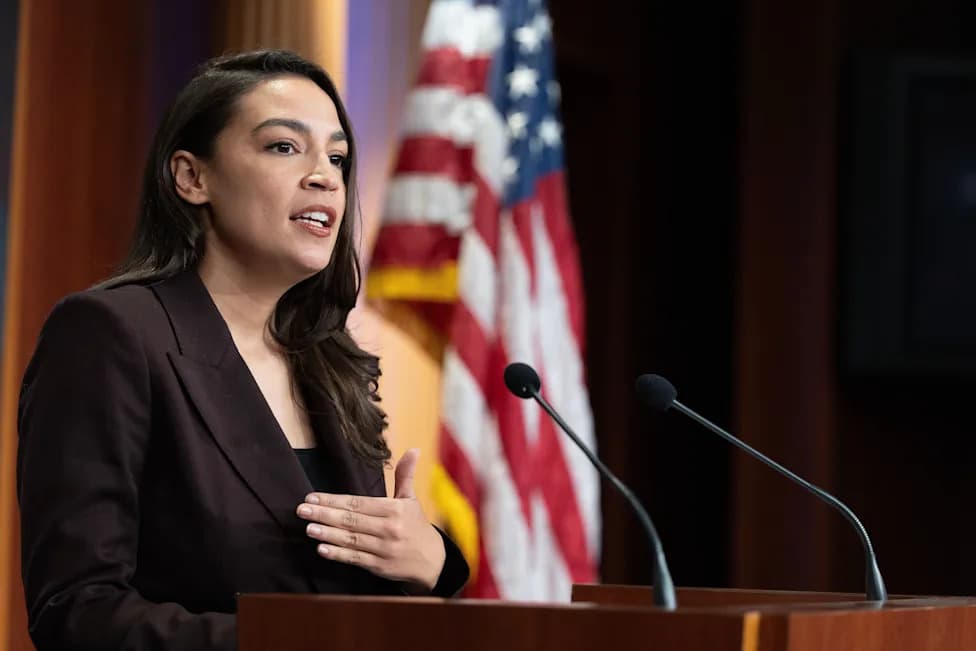
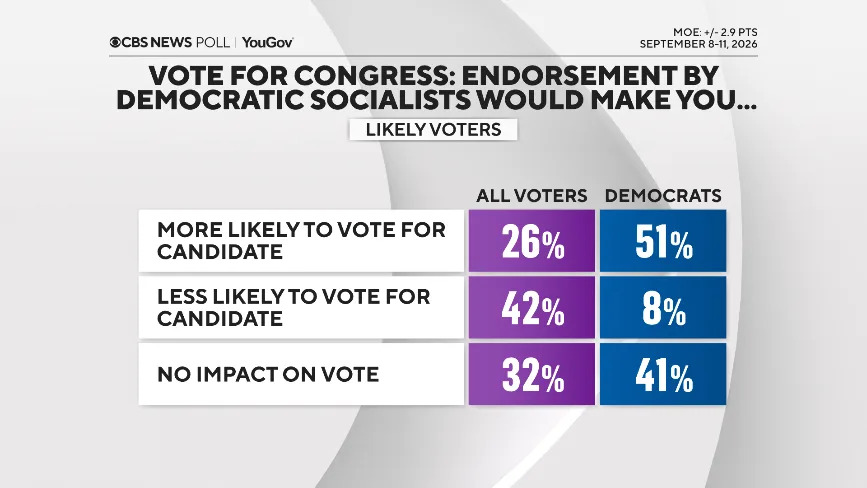
Democrats, meanwhile, are benefiting from higher self-reported enthusiasm and improved support among Hispanic voters, many of whom oppose the administration’s ICE policies. Within the Democratic coalition, endorsements from democratic socialists have limited appeal beyond the base and are only mixed even among core Democratic voters.
Other Notable Findings
- Most voters report that the “One Big Beautiful Bill” has not helped them financially.
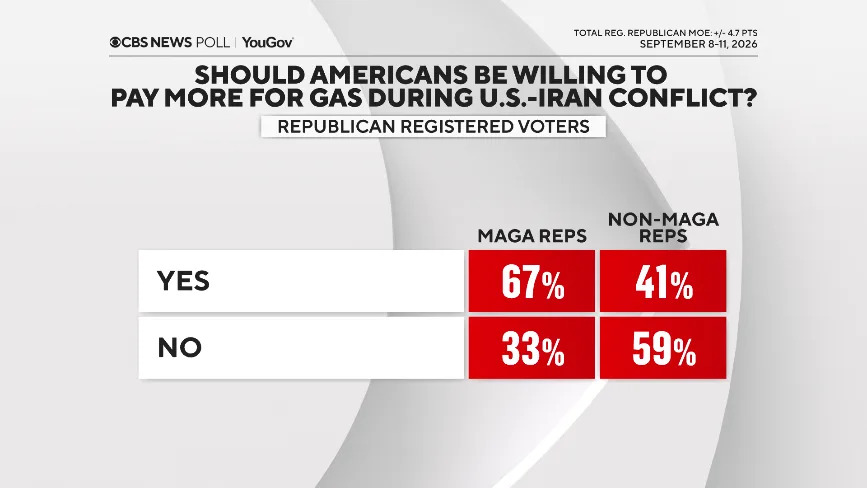
- GOP views split on energy: many MAGA Republicans are willing to accept higher gas prices during conflict with Iran; other Republicans disagree.
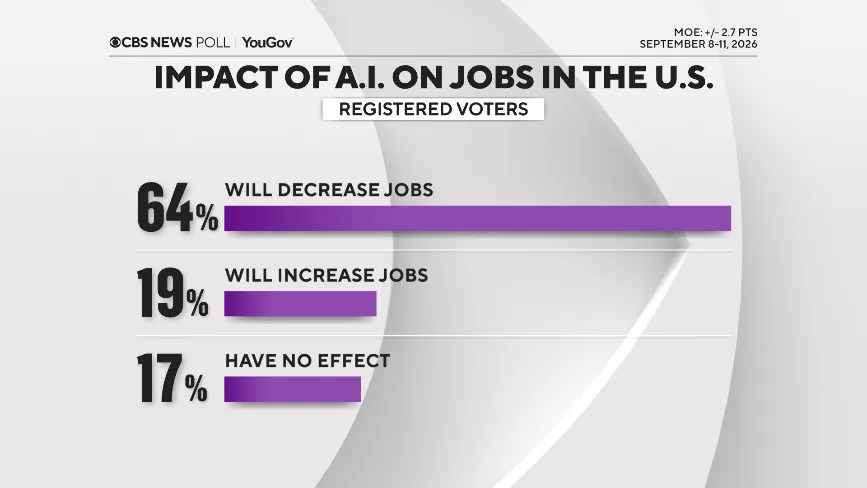
- Majorities in both parties expect AI will reduce the number of jobs, with Democrats more likely to hold that belief.
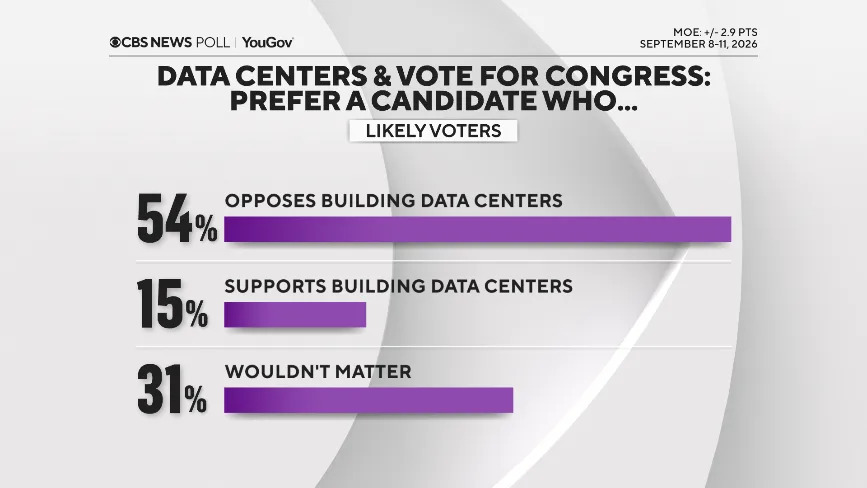
- On local development, voters generally prefer candidates who oppose new data centers in their communities.
Survey details: This CBS News/YouGov survey interviewed a nationally representative sample of 2,460 U.S. adults between Sept. 8–11, 2026. The sample was weighted by gender, age, race and education using U.S. Census benchmarks and by 2024 presidential vote. Margin of sampling error: ±2.3 percentage points.
David Van Riper contributed to this report.
Help us improve.