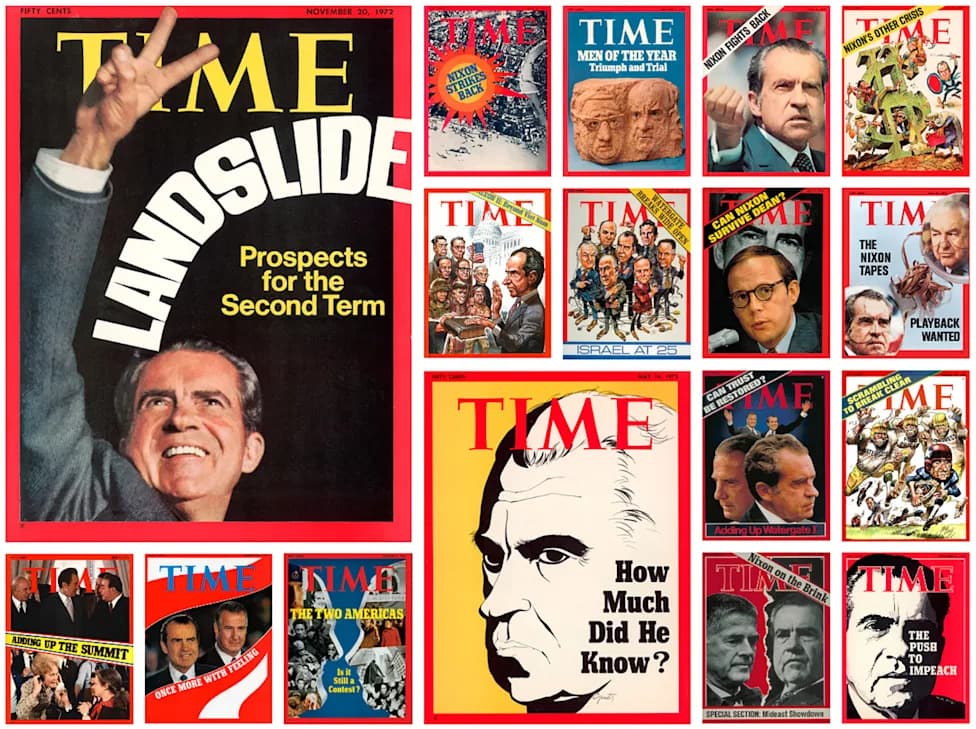
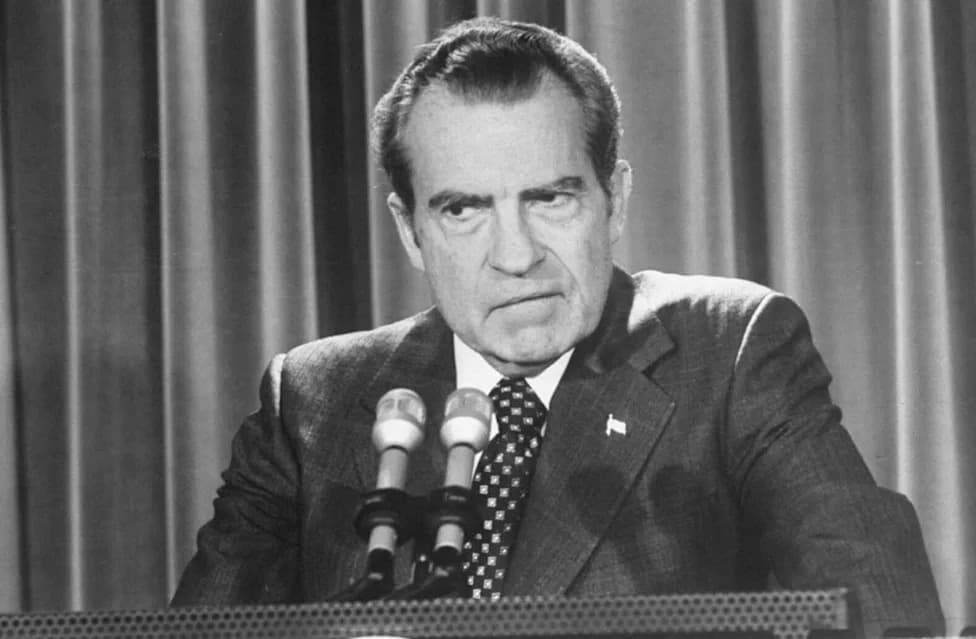
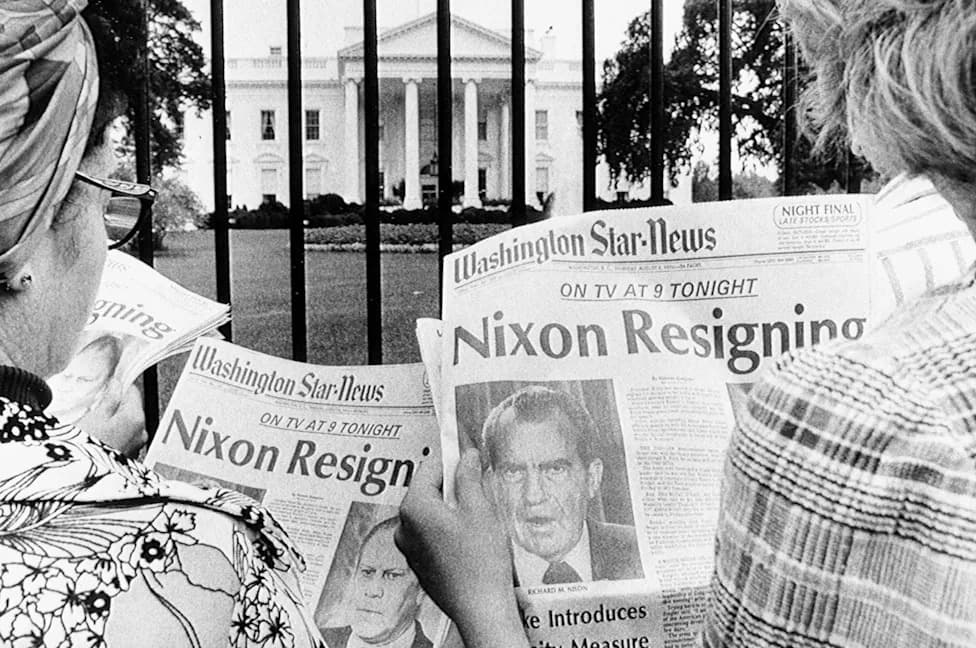
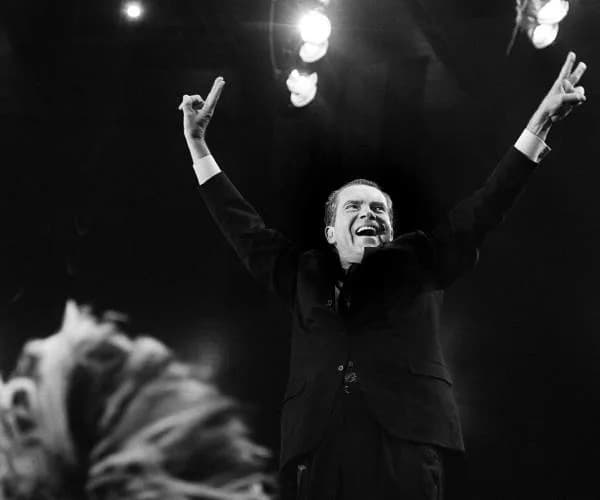
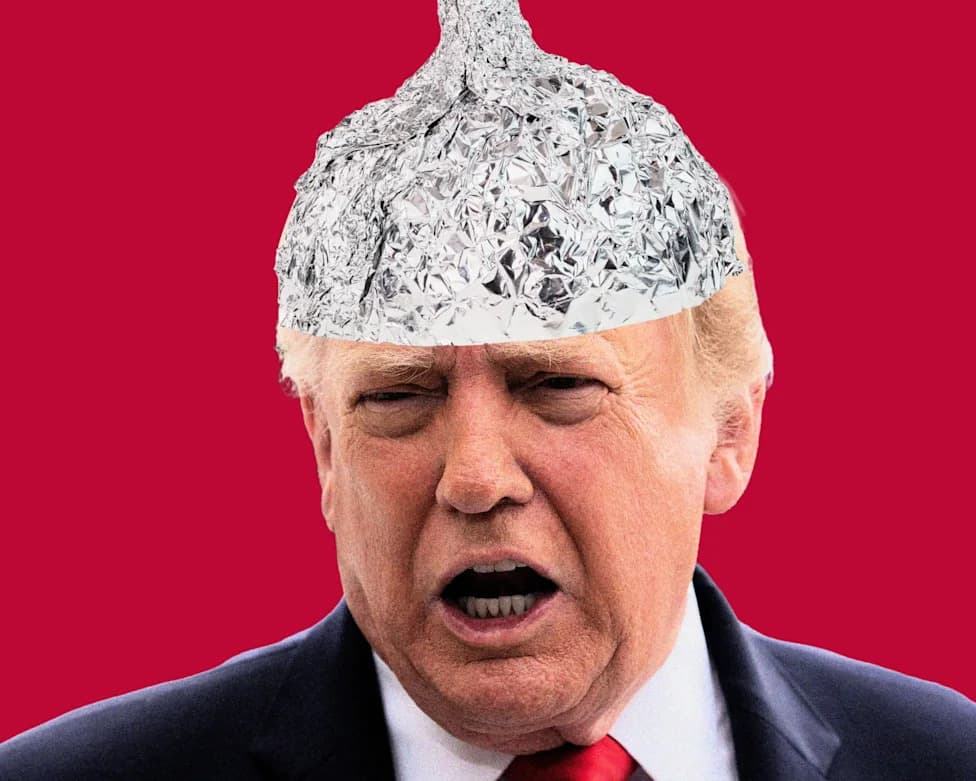
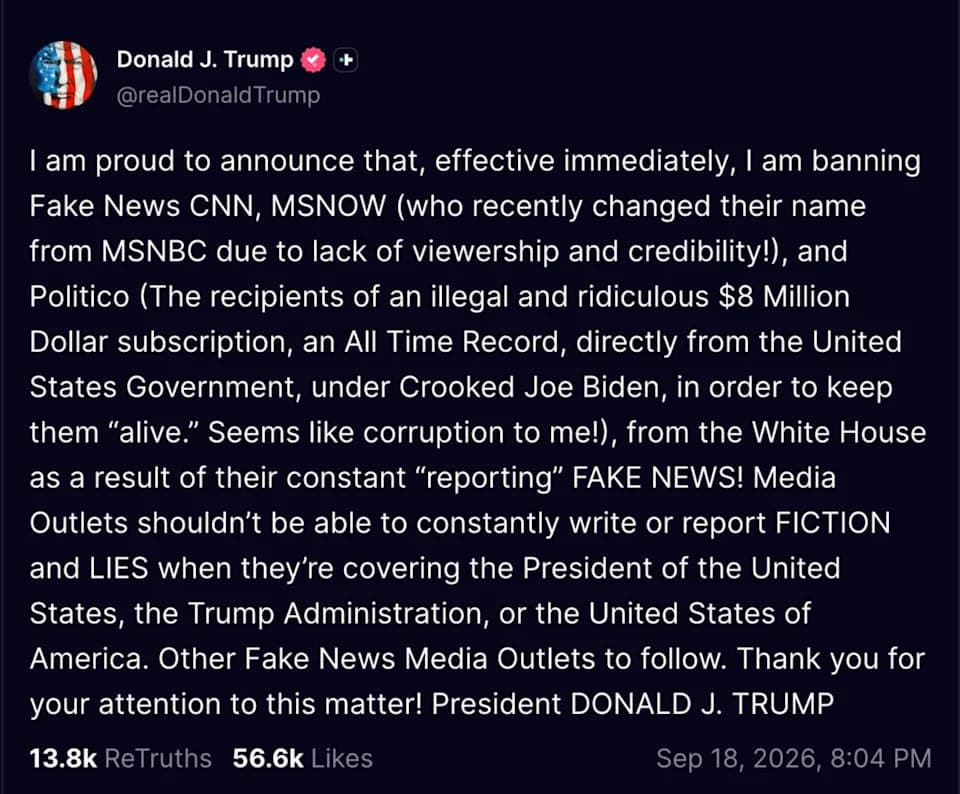
Berating reporters, revoking credentials, mounting legal attacks and even plotting covert operations—Richard Nixon orchestrated a sustained campaign to intimidate and punish journalists that reshaped how presidents and the press interact. Long before “fake news” became a slogan, Nixon pursued both legal and illegal measures to control information, punish critics and stop leaks.
The Roots of an Adversarial Relationship
By the time Nixon took office in 1969, the presidency and the press were already at odds: the Vietnam War, Lyndon Johnson’s “credibility gap,” and the cultural upheavals of the 1960s created a combustible environment. Presidents had long tried to influence coverage; journalists, increasingly professionalized, pushed back by adding context, checking facts, and reporting dissenting views. Nixon, however, went further than most predecessors in treating reporters as enemies to be monitored and punished.
Covert Tactics: Wiretaps, Leaks and the Plumbers
Nixon and National Security Adviser Henry Kissinger approved illegal wiretaps on journalists they suspected of leaking information—most notably after the 1969 bombing of sanctuaries in Cambodia. Operatives installed transmitters on reporters’ phones without warrants; those wiretaps were later judged unconstitutional. The administration’s fear of leaks intensified after the 1971 publication of the Pentagon Papers, when Nixon even tried to use the courts to impose prior restraint on the press.
Out of that paranoia came the Plumbers, a covert unit created to “fix leaks.” The Plumbers carried out a range of illegal acts, culminating in the break-ins at the Democratic National Committee headquarters at the Watergate complex in 1972—events that ultimately unravelled Nixon’s presidency.
Using Official Power to Harass the Press
Nixon’s reprisals were not limited to covert surveillance. He and his aides sought to weaponize government institutions against hostile outlets and reporters. The administration pressured allies to challenge The Washington Post’s broadcast licenses, an effort that, while unsuccessful, inflicted financial and reputational costs. Individual journalists faced exclusion from presidential trips, FBI scrutiny, and suspicious IRS audits. In one extreme episode, members of Nixon’s re-election team, including G. Gordon Liddy, discussed a plot to eliminate columnist Jack Anderson—an idea that was never executed but underscored the administration’s willingness to consider drastic measures.
“The press is the enemy ... to be hated and beaten,” a remark attributed to Nixon by staffers, captures the combative attitude that guided many policies and tactics.
Consequences and Legacy
The legal system and Congress eventually checked Nixon’s abuses: the Supreme Court rejected the administration’s attempt to censor the Pentagon Papers, and congressional investigations exposed illegal operations and cover-ups. Watergate showcased the power of investigative journalism and the role of checks and balances in confronting presidential misconduct.
But Nixon’s campaign left a lasting imprint. Journalists emerged from the era more skeptical of power and more adversarial in tone; presidents learned to view reporters as rivals to be managed, monitored, and sometimes punished. That adversarial playbook—mixing legal pressure, surveillance, and public vilification—has echoed in later administrations, making Nixon’s approach a cautionary example of how distrust of the press can erode democratic norms.
Why it matters now: Understanding Nixon’s tactics helps explain modern conflicts between the White House and the media, and underscores why protections for a free press and robust oversight remain vital.