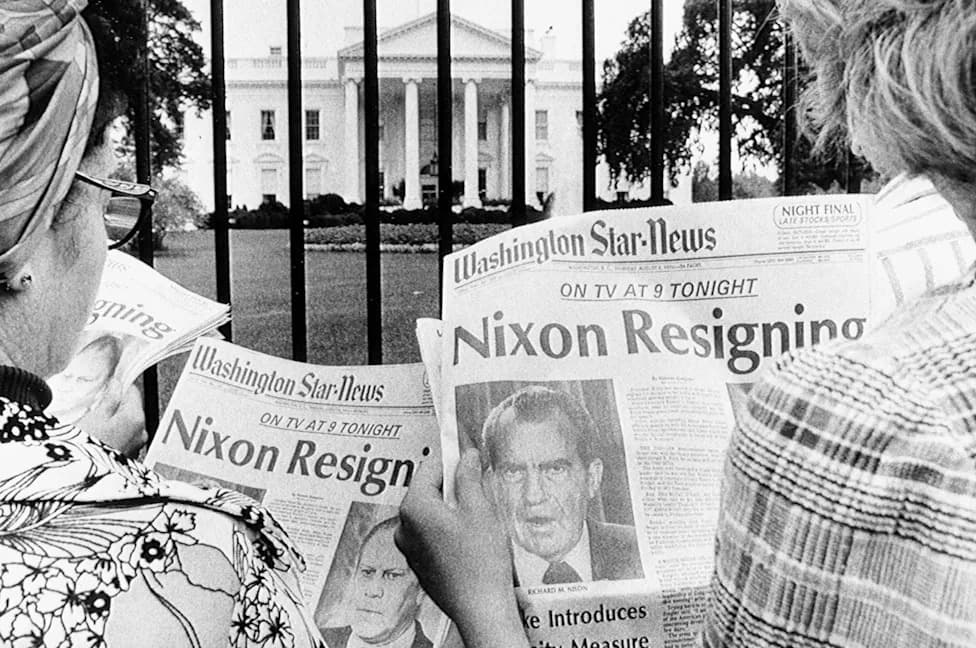
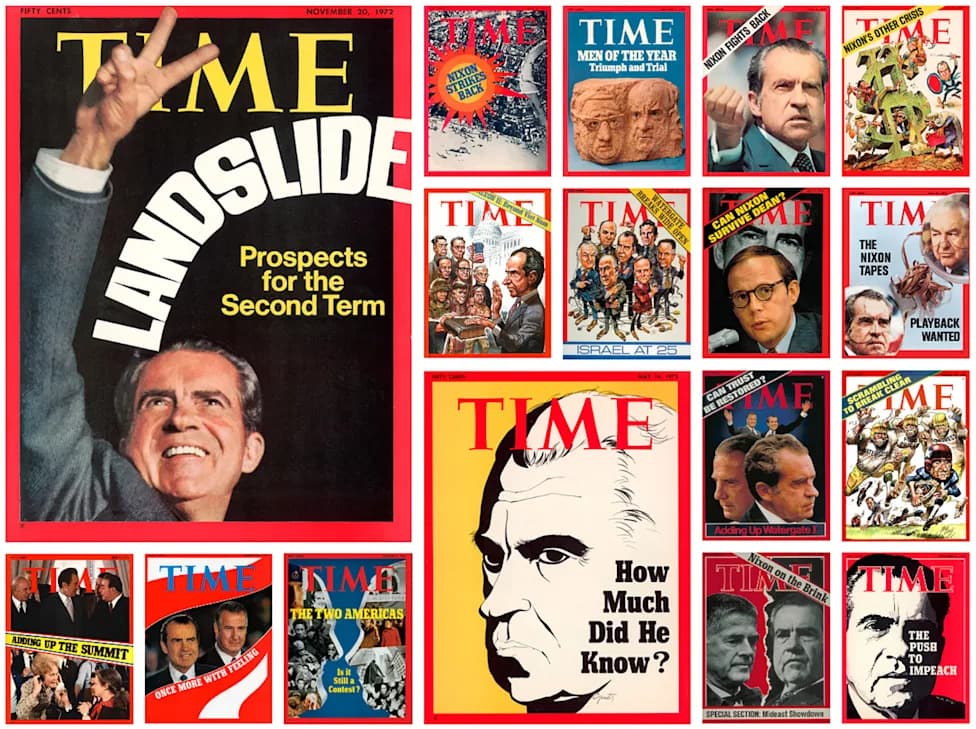
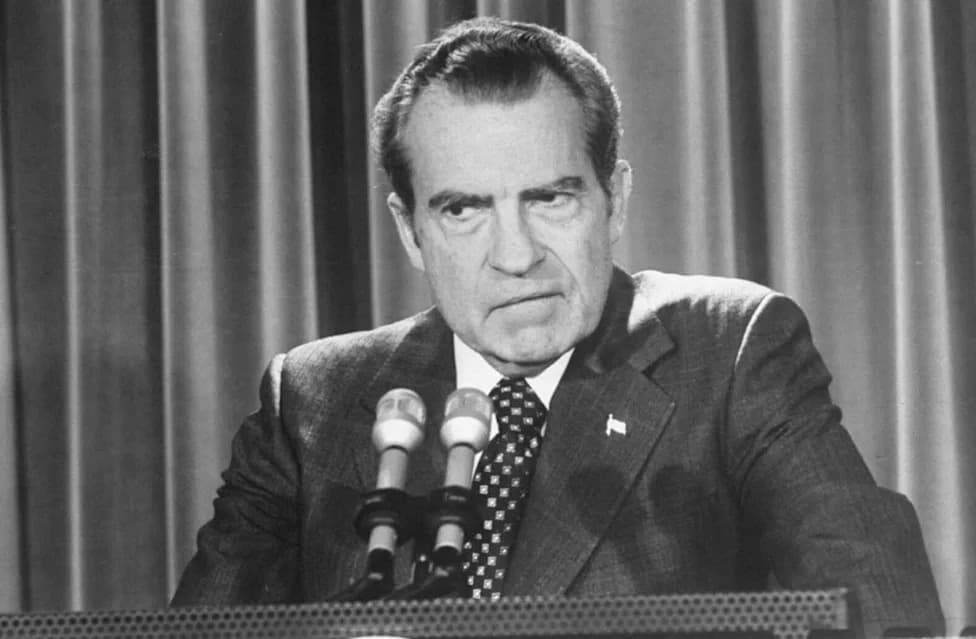
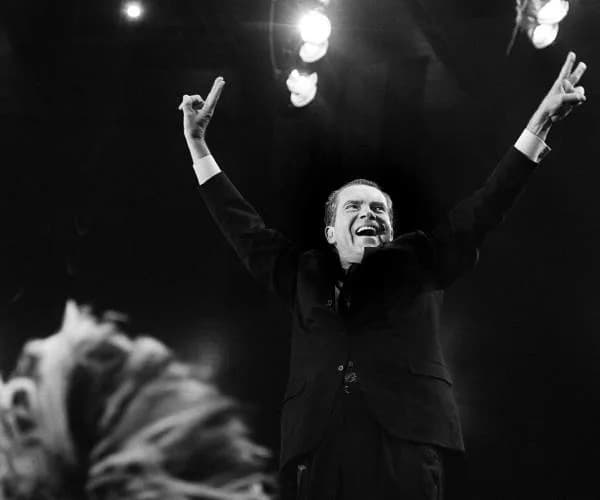
Geoff Shepard, a former Nixon aide and Watergate historian, told Newsmax he spent two decades collecting internal memos he says show prosecutorial misconduct in the Watergate prosecutions. He delivered a two‑hour briefing, "Watergate as Lawfare," to the Justice Department's Office of Professional Responsibility. Shepard alleges prosecutors met privately with judges, withheld exculpatory evidence and misrepresented facts; he also disputes the interpretation of key White House tapes. Other historians, including Timothy Naftali, say evidence of Nixon's abuse of power remains compelling.
Ex‑Nixon Aide Says 'Watergate Was Lawfare' — DOJ Watchdog Receives New Briefing
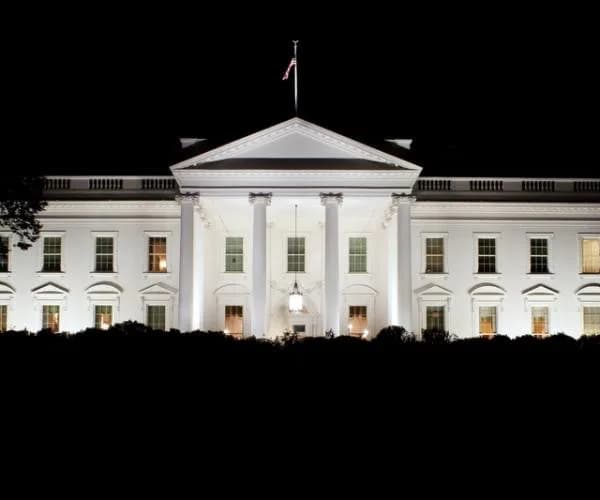
(Dreamstime)
Former White House aide and Watergate historian Geoff Shepard told Newsmax that two decades of internal records he collected point to prosecutorial misconduct during the Watergate prosecutions and helped prompt a briefing to the Justice Department's internal watchdog.
Shepard, who worked in the Nixon administration, presented a two-hour briefing titled "Watergate as Lawfare" to the Justice Department's Office of Professional Responsibility (OPR), The Wall Street Journal reported. A Justice Department spokeswoman said Shepard was invited for his expertise and scholarship but emphasized that his presentation "does not constitute an investigation." She added that the office remains focused on ensuring department attorneys meet professional standards.
Shepard's Allegations
On the program Greg Kelly Reports, Shepard described the briefing as "a huge development" and said it represents "for the first time in 50 years, an unbiased review of the conduct of the prosecuting attorneys." Shepard says he spent roughly 20 years assembling internal memos and records that, in his view, reveal deliberate misconduct by prosecutors during the Watergate investigations.
"They were just out and out cheating, anything to bring down the most popularly elected president," Shepard said. "They met secretly with the judges. They suppressed exculpatory information. They misrepresented things to the grand jury and to the House Judiciary Committee."
Shepard specifically accused special prosecutors Archibald Cox and Leon Jaworski of violating defendants' due process rights by holding private meetings with judges and withholding evidence from the defense. He also disputed common interpretations of several White House tape recordings made shortly after the 1972 break-in, arguing the tapes were misunderstood and did not constitute the decisive "smoking gun" many have claimed.
"It had to do with everything other than Watergate," Shepard said. "If Nixon had known that, he might have lived to fight another day."
"The smoking gun was shooting blanks," he added. "Nobody wants to agree with that. It's easier to say, 'Oh, he's a crook.' But the papers don't show that."
Scholarly Pushback and Context
Other historians dispute Shepard's conclusions. Timothy Naftali, a presidential historian and former director of the Nixon Presidential Library, rejected attempts to recast Nixon as a victim and described the evidence of abuse of presidential power as "overwhelming," pointing to tape excerpts in which Nixon discusses efforts to obstruct investigators.
The OPR's acceptance of Shepard's briefing does not mean the department has opened an inquiry. The office reviews professional conduct by department attorneys and can assess whether any standards were breached; Shepard and his supporters say the memos he presented warrant such a review.
Bottom line: Shepard's presentation has reignited debate over how the Watergate prosecutions were conducted and whether prosecutorial errors or misconduct altered the historical understanding of the case. Historians remain divided, and the OPR statement makes clear that a briefing is not itself an investigation.
Help us improve.