Rep. Riley Moore told attendees at the Richard Nixon Foundation summit that Richard Nixon was "couped out" and "framed" by a so-called "deep state," offering a revisionist view of Watergate. He compared Nixon's resignation to the probes faced by President Trump, calling the Russia investigation a "hoax." Mainstream historians and court records show Nixon resigned after a cover-up involving obstruction of justice. The Nixon Foundation did not immediately comment on Moore's claims.
Rep. Riley Moore Says Nixon Was 'Framed' by a 'Deep State,' Compares Watergate to Trump Probes
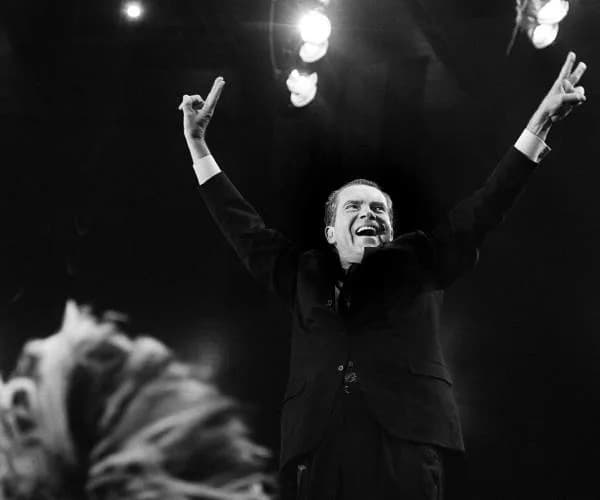
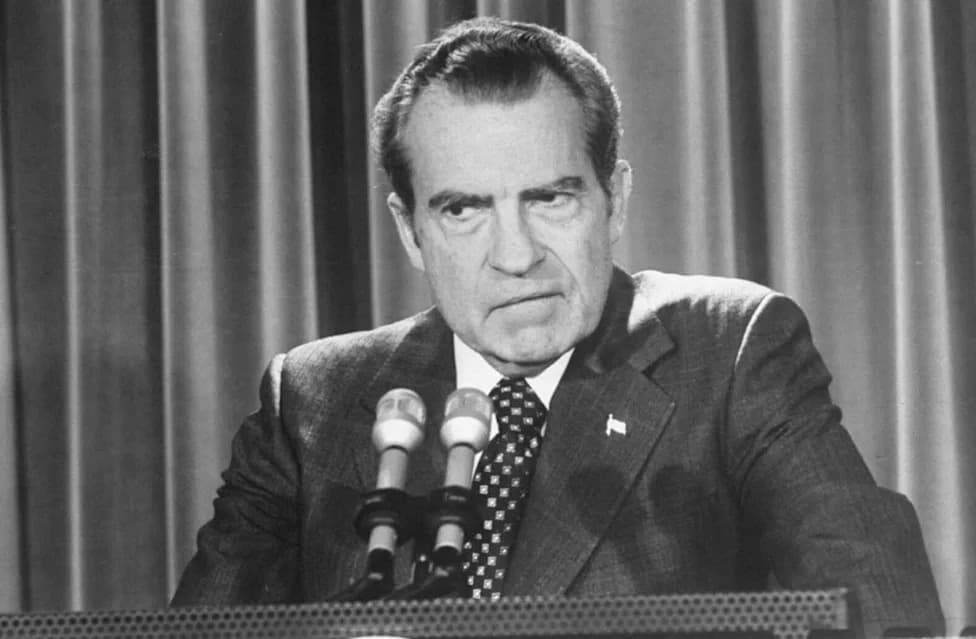
President Richard Nixon (Getty Images)
Rep. Riley Moore delivered a revisionist account of the Watergate scandal Thursday at the Richard Nixon Foundation's Grand Strategy Summit in Washington, asserting that former President Richard Nixon was "couped out" of office and deliberately "framed" by what he described as a "deep state."
"Richard Nixon was absolutely couped out of office and was framed. All of this was fake, and we now know more about the deep state and its power and its ability to literally change things at the top,"
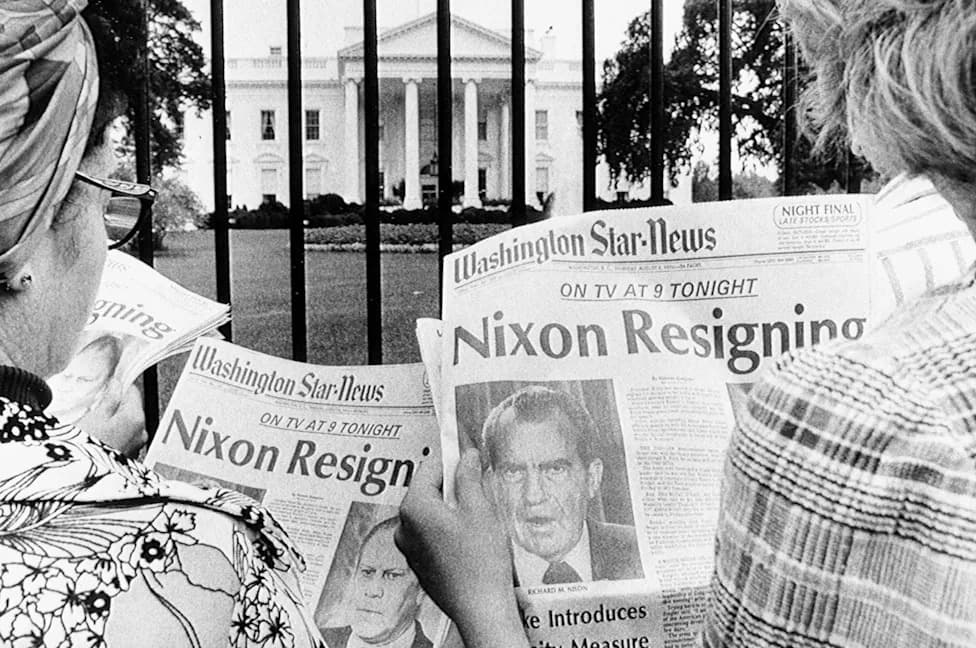
Moore, a West Virginia Republican, drew a direct parallel between Nixon's 1974 resignation and President Donald Trump's first term, arguing both presidents were the targets of coordinated campaigns to remove them from office.
"President Trump faced this in his first term with the fake Russia collusion hoax and all that,"Moore said, invoking Trump's long-standing characterization of the Russia investigations as a "hoax."
Moore also suggested Nixon chose to remain publicly silent about the alleged conspiracy at the time in order to preserve confidence in American institutions.
"He knew all of this. He knew it, and he stayed quiet about it because he didn't want to erode the confidence of the American people in our system of governance and our institutions,"Moore said, adding that "the truth is now out there" and praising aspects of Nixon's record.
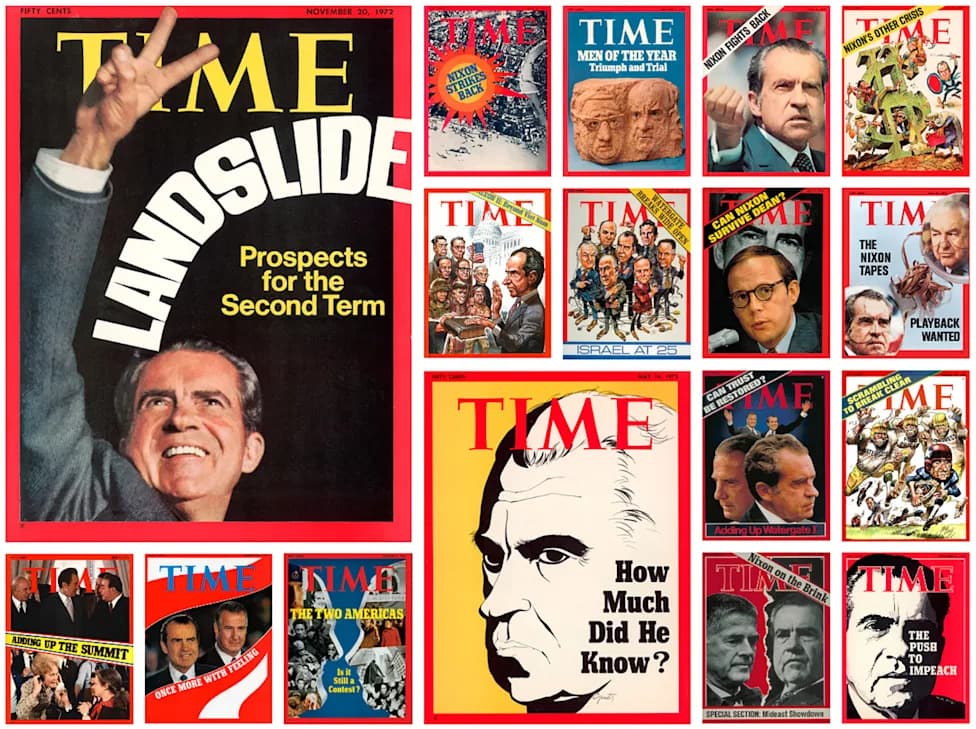
These remarks reflect a strand of revisionist interpretation that has gained traction among some Republicans in recent years. The established historical record—documented through court proceedings, congressional investigations, contemporaneous reporting, and archival evidence—holds that Nixon resigned in 1974 following the Watergate break-in and an ensuing cover-up that involved obstruction of justice and abuses of presidential power.
The Richard Nixon Foundation, which hosted the summit and has long sought to emphasize Nixon's foreign policy achievements while addressing Watergate, did not immediately respond to requests for comment on Moore's description of the events as a "coup" orchestrated by a "deep state."
Comparisons between Nixon and Trump have become more common among Trump's allies, who argue both leaders faced unprecedented efforts to remove them through what they call illegitimate means. Critics say these comparisons downplay or misrepresent the extensive legal and congressional findings related to Watergate.
Help us improve.