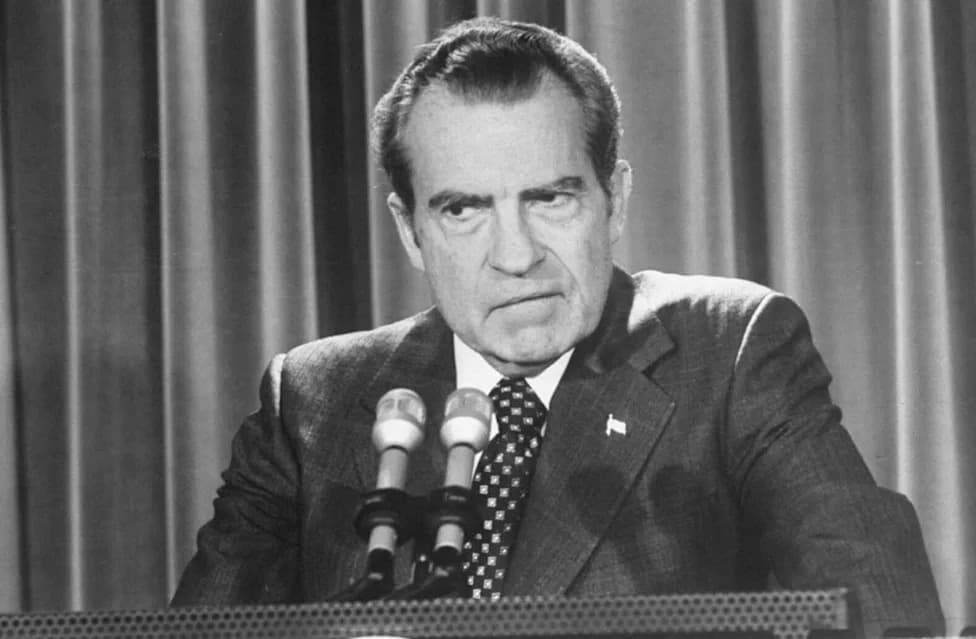
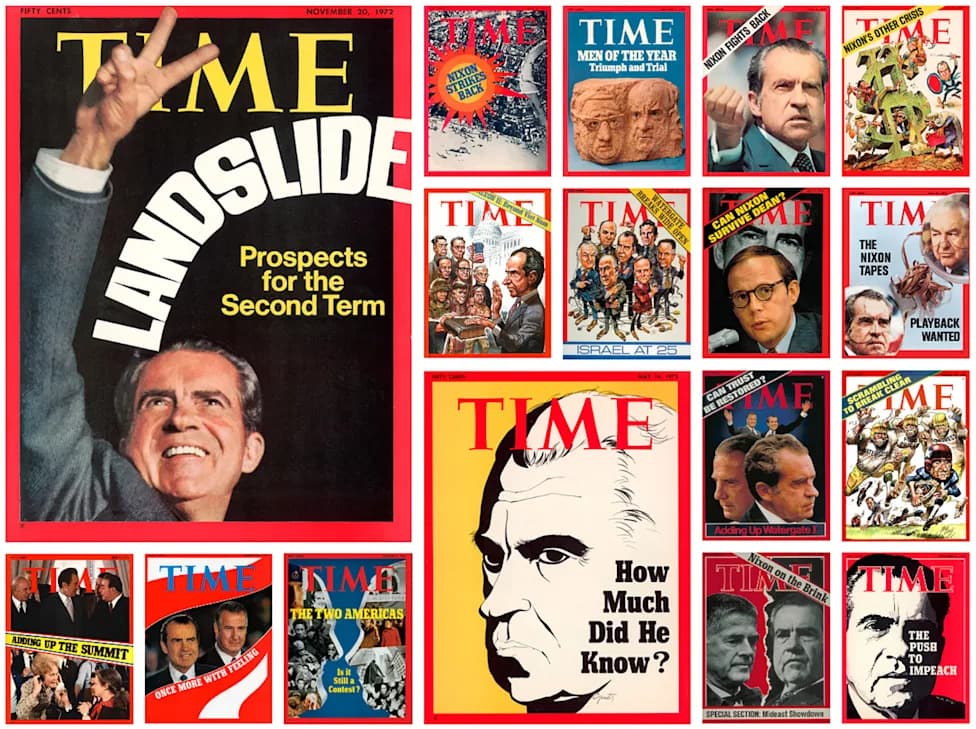
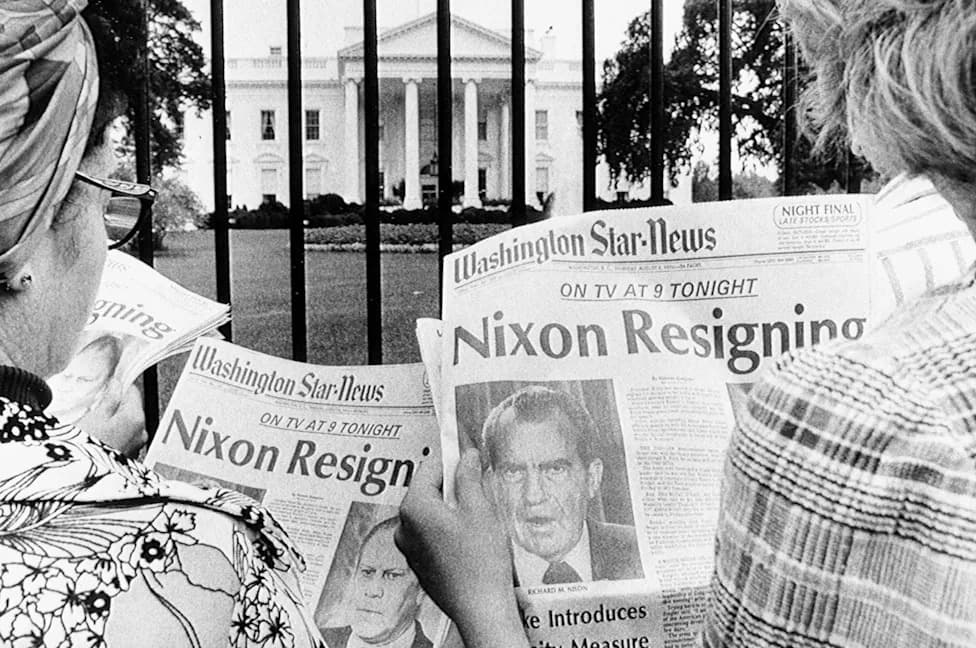
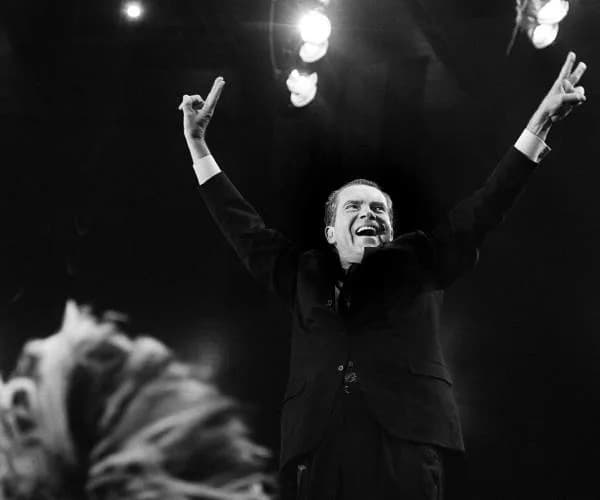
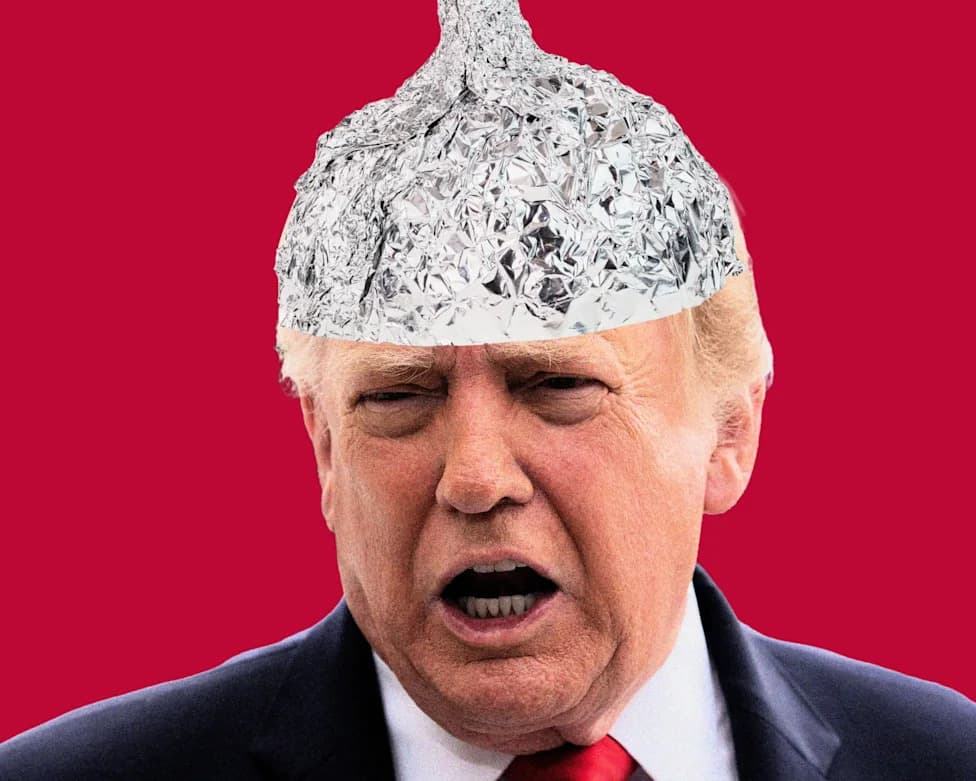
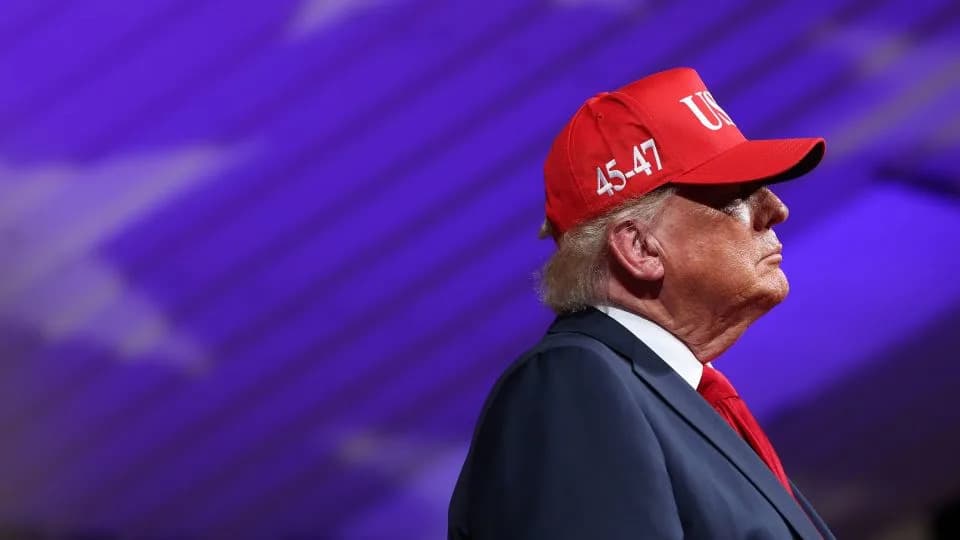
A renewed fascination with Richard Nixon among conservatives is more than nostalgia. It has become a political and legal narrative that reframes Watergate, softens historical judgment, and helps justify efforts to roll back post‑Watergate constraints on presidential power.
Why This Revival Matters
Reimagining Nixon as a victim of a so‑called 'deep state' provides a convenient rationale for those who want to weaken checks on the executive branch. That reinterpretation is being pushed by a mix of deliberate public‑relations work, viral social media content, influential media personalities, and sympathetic politicians — all of which help normalize the idea that presidents deserve far broader immunity and deference than modern democracy traditionally allows.
Social Media, Merch and Message Control
The Nixon Foundation's social media push around the 2018 50th‑anniversary commemorations helped make Nixon imagery and catchphrases go viral. Short, shareable videos — including remixes of the phrase 'I am not a crook' and pop‑culture mashups — have made Nixon approachable to younger audiences. Combined with merch and meme culture, these tactics have repackaged a complex history into bite‑sized fandom.
Political and Media Amplification
High‑profile hosts and commentators, along with politicians, have downplayed Watergate and promoted conspiratorial framings. Figures such as Joe Rogan and Tucker Carlson have questioned accepted accounts; Vice President J.D. Vance has publicly praised Nixon's political skill while minimizing the significance of the scandal. Vance's remarks — likening his personal arc to Nixon's and suggesting Watergate would be a short news cycle today — reveal how political actors can use historical revisionism to normalize present behavior.
'I've always liked Richard Nixon,' Vance said, praising Nixon's foreign policy achievements while omitting other, darker actions.
The Legal Legacy: From Watergate Reforms to Expanded Presidential Immunity
Watergate produced many reforms intended to constrain executive overreach. Ironically, the arguments made in Nixon's defense — notably his post‑presidential claim that 'when the president does it, it's not illegal' — seeded ideas that later evolved into the unitary executive theory. Over decades, conservative legal thinkers and a series of court decisions shifted the balance toward broader presidential authority.
Key judicial moments include Nixon v. Fitzgerald (1982), which protected presidents from civil liability for official acts, and the reported 2024 Supreme Court decision in Trump v. United States, which significantly expanded the notion of immunity for official conduct. Those rulings, together with intellectual and political efforts to reframe investigations as 'lawfare,' have created a new legal environment in which executive power is harder to challenge.
Recent Developments: Revisiting Watergate
The Justice Department has reportedly opened a review of Watergate prosecutions after presentations by Geoff Shepard, a former Nixon aide who argues that Watergate was 'lawfare' designed to bring Nixon down. That review — and the broader narrative that investigators are part of a politically biased 'deep state' — echoes the same revisionist logic now being used to defend contemporary presidents accused of wrongdoing.
What's At Stake
At issue is not just history but institutional accountability. If political parties and legal institutions accept that presidents are effectively immune from serious consequence for abuses, the system of checks and balances will be weakened. For Republicans, recasting Nixon can be a strategic move to preserve partisan power and to excuse complicity with misconduct in the Trump era. For citizens, the danger is erosion of norms and mechanisms that keep executive power within democratic bounds.
Conclusion
The Nixon revival is a coordinated mix of nostalgia, public relations, media amplification, and legal theory. Whether it succeeds in reshaping long‑standing limits on presidential conduct will depend on public scrutiny, institutional resistance, and how voters respond once the immediate political fervor fades.