Sean Spicer and CNN anchor Abby Phillip traded barbs on X about White House press credential changes. Spicer accused Phillip of a double standard after a 2023 Biden-era rule change led to roughly 442 credentials expiring; Phillip cited an AP fact-check that called the "revocation" framing misleading. The exchange followed President Trump’s decision to bar CNN, MSNOW and Politico reporters—a ban a judge later ruled unlawful, though some access restrictions have persisted.
Spicer and Phillip Clash Over White House Press Ban: 'You Only Care Because It's CNN'
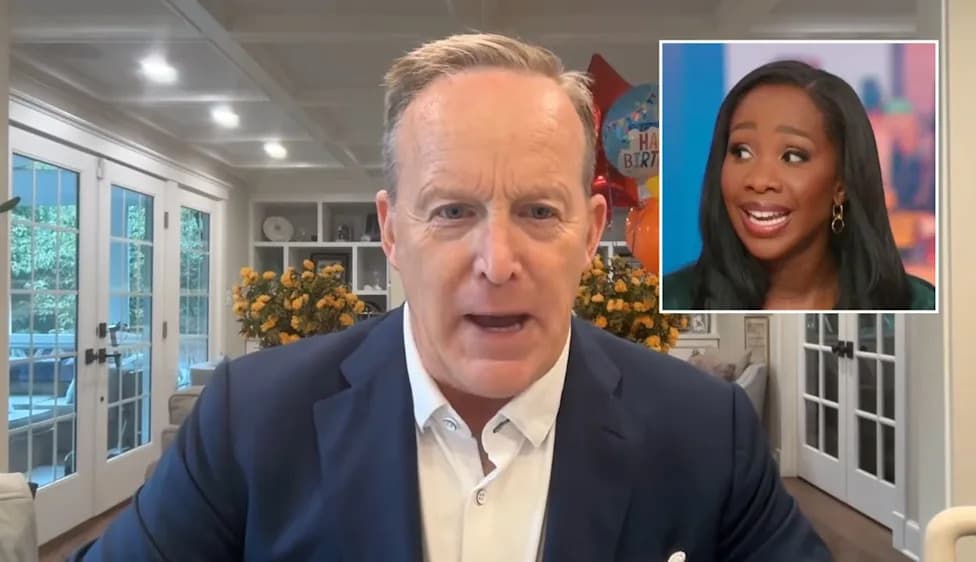
(Photos via: Sean Spicer on YouTube and CNN)
Former White House press secretary Sean Spicer and CNN anchor Abby Phillip traded sharp exchanges on X over whether changes to White House press credentials under the Biden administration are being treated differently than the Trump administration's decision to bar certain outlets.
The Exchange On X
The spat began when Spicer posted a clip of Phillip asking New York Post reporter Lydia Moynihan whether President Biden had revoked press credentials. Spicer asserted it had, writing, "Yes, Biden stripped the press passes of 440 independent journalists," a reference to a 2023 policy change that led to approximately 442 long-term credentials expiring after renewal criteria were revised.
Phillip responded quickly on X, linking to an Associated Press fact-check and writing, "Lol @seanspicer, Google is free!" The AP item cautioned that calling the policy a simple "revocation" was misleading: the administration required all long-term pass holders to reapply under new criteria, which reduced the total number of pass holders.
CLAIM: The Biden administration revoked the White House press passes of more than 400 journalists.
THE FACTS: This is false. In 2023, the White House revised its policy for obtaining long-term press passes. All journalists holding such passes were required to apply for a renewal under new criteria. This led to a drop in the number of journalists who had one.
Spicer's Response
Spicer dismissed that distinction as beside the point. He argued the administrative change had the practical effect of excluding many independent journalists and accused Phillip of applying a double standard because CNN was not affected in the same way. "The only reason you care now is because it's CNN," he wrote, adding that concern for press freedom appeared inconsistent depending on which outlets were affected.
Context: The Trump Ban And Legal Fight
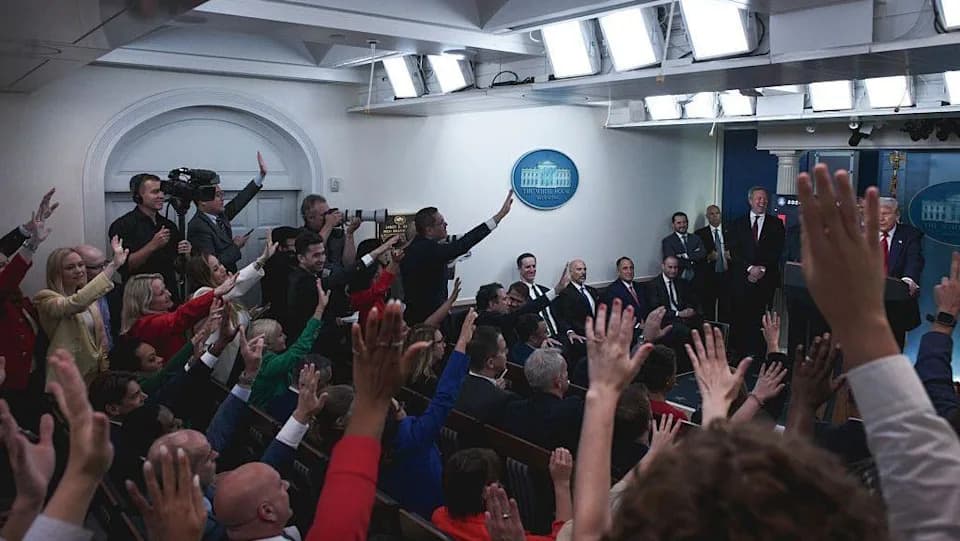
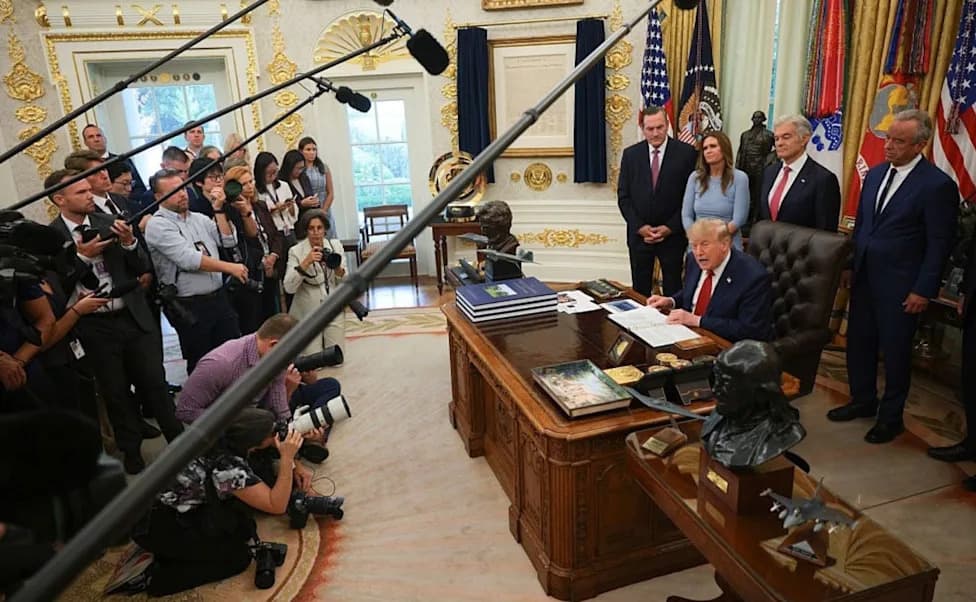
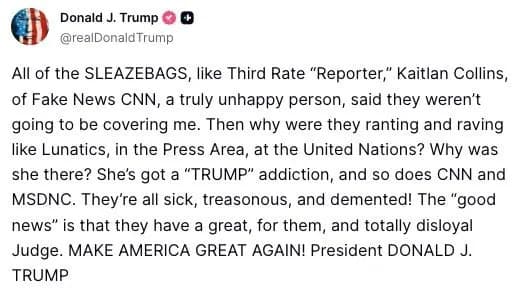
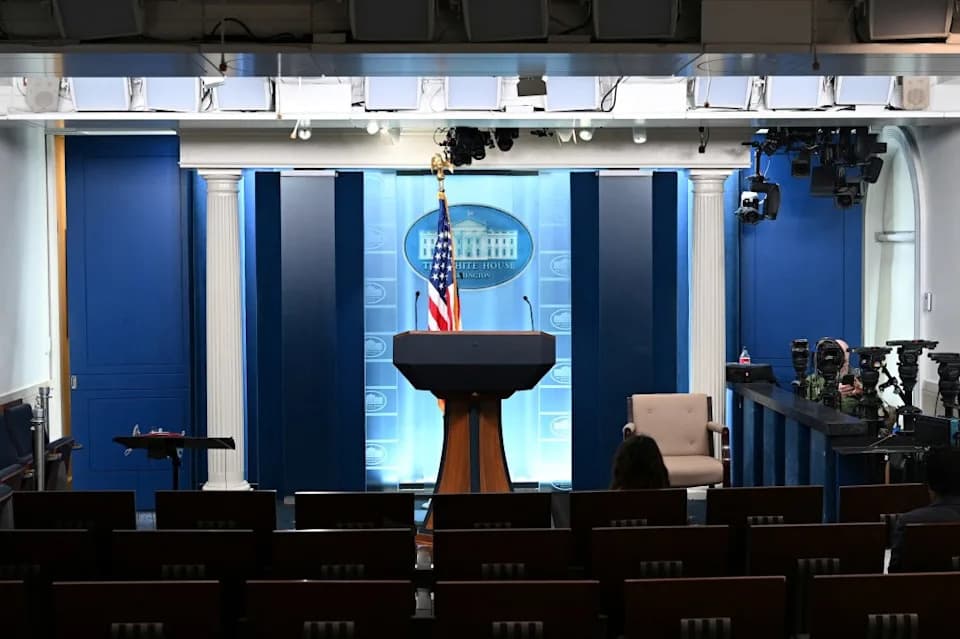
The exchange comes after President Donald Trump's decision to bar reporters from CNN, the show "MSNOW" on MSNBC, and Politico from certain White House coverage on Sept. 18. The three outlets sued the administration, arguing the ban violated the First Amendment and deprived the organizations of due process.
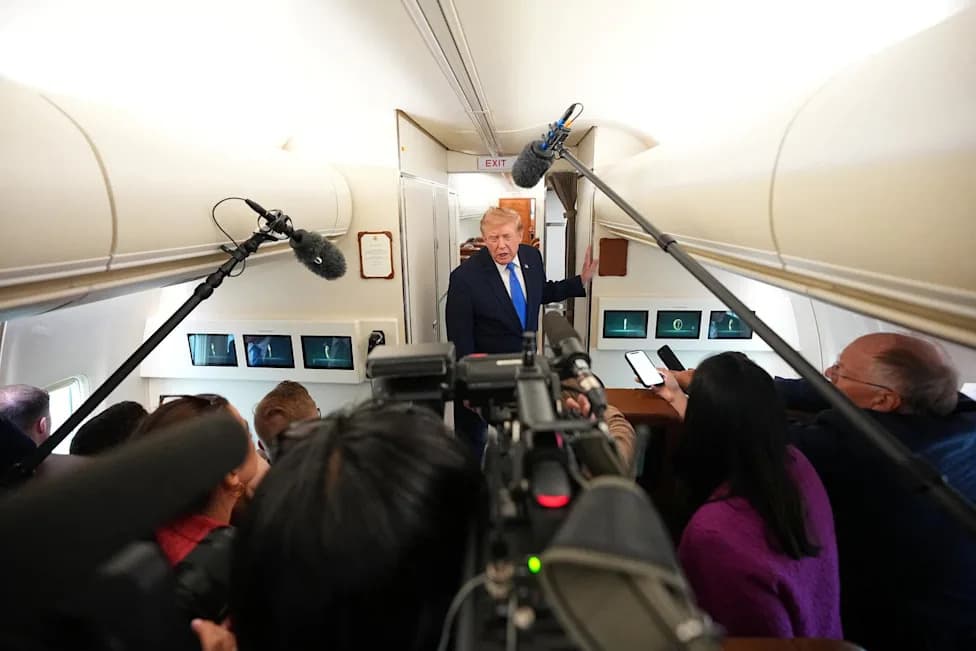
In a court hearing, Trump-appointed U.S. District Judge Timothy Kelly ruled against the ban and ordered the White House to restore access. Despite that ruling, the White House has maintained some restrictions. On one recent trip, CNN was removed from Air Force One coverage and replaced by LindellTV for the president's visit to watch the Texas–Tennessee football game.
Why It Matters
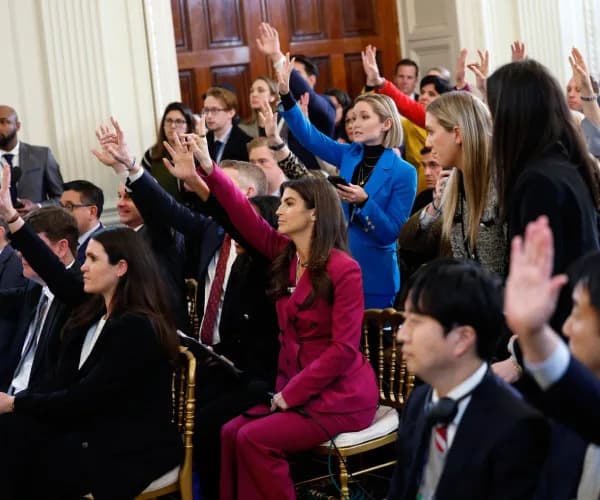
The back-and-forth highlights the broader debate over how administrations manage press credentials and how those actions are framed politically. Advocates for press access worry that procedural changes can produce the same exclusionary outcomes as explicit bans, while others stress the legal and factual differences between policy revisions and formal revocations of credentials.
The episode illustrates how disputes over media access—especially when high-profile outlets are targeted—can quickly become partisan flashpoints and legal battles.
Help us improve.